
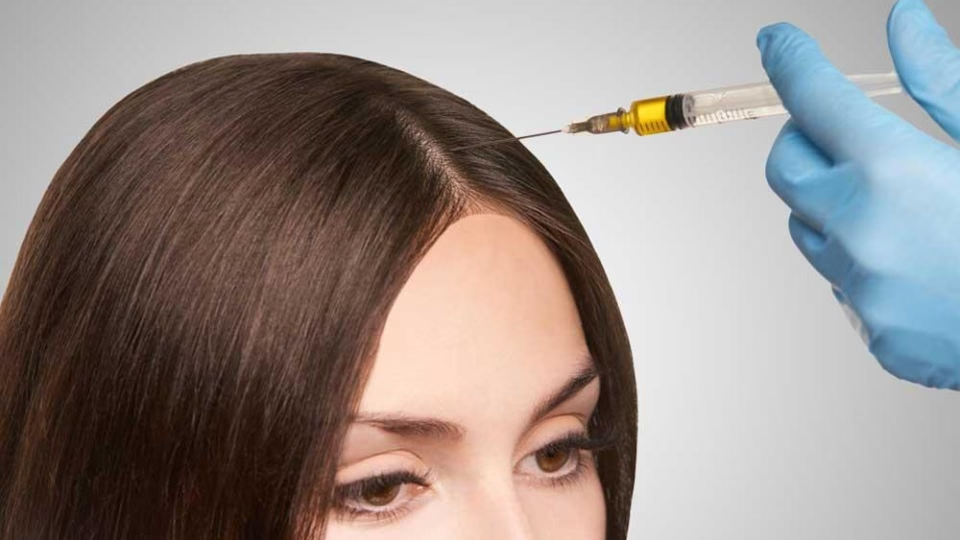
A well-planned PRP protocol can help make treatment more consistent by matching the procedure to a patient’s skin or hair concerns, assessing suitability, and planning sessions according to individual needs. At Aesta Aesthetics in Lahore, a consultation helps determine whether PRP for skin and hair is appropriate and what results may realistically be expected.
PRP for skin and hair uses platelet-rich plasma prepared from a patient’s own blood. It is used in aesthetic practice to support skin rejuvenation and as a treatment option for certain types of hair loss. However, results depend on more than the procedure itself.
The patient’s condition, treatment goals, medical history, preparation technique and follow-up plan all matter. A suitable protocol helps the practitioner make decisions based on the patient’s needs rather than following the same schedule for everyone.
At Aesta Aesthetics, the first step is understanding the concern being treated. Whether someone is considering PRP for facial skin, thinning hair or hair loss, a consultation helps establish realistic expectations and an appropriate treatment plan.
If you are considering PRP treatment at Aesta Aesthetics, here is what to understand about the treatment process, the factors that influence results and the questions worth asking before starting.
What Makes A PRP Protocol Effective for Skin and Hair?
An effective PRP protocol combines appropriate patient selection, careful preparation, suitable treatment technique and a follow-up plan. No single factor guarantees success.
PRP stands for platelet-rich plasma. A small blood sample is collected and processed to concentrate platelets in a portion of the plasma. Platelets contain growth factors involved in the body’s natural repair processes.
The prepared plasma is then used in the treatment area according to the clinical plan.
For skin, the goal may be to support skin quality, texture and the appearance of fine lines. For hair, treatment may aim to support hair growth in suitable patients with certain forms of hair loss.
These are different concerns, so they should not automatically receive the same protocol.
A thoughtful PRP treatment plan considers:
- The main concern: Facial skin rejuvenation and hair thinning require different approaches.
- The patient’s suitability: Medical history, the type of hair loss and the condition of the skin can affect treatment decisions.
- Preparation and technique: Consistent handling and appropriate clinical procedures matter.
- Session planning: The number and timing of sessions depend on the individual treatment goal and response.
- Follow-up: Reviewing progress helps determine whether the plan needs adjustment.
The aim is not simply to perform PRP. It is to determine whether PRP is appropriate and how to use it responsibly for the patient’s particular concern.
How Does Aesta Aesthetics Approach PRP Treatment for Hair Loss?
PRP treatment for hair loss works best when the treatment plan reflects the cause of thinning, the condition of the scalp and the patient’s response over time.
At Aesta Aesthetics, the published PRP service plan recommends 3–4 sessions, spaced approximately four weeks apart, with early changes potentially becoming visible within 4–6 weeks. These are general expectations, not a guarantee that every patient will respond in the same way.
Aesta Aesthetics
Before starting PRP hair treatment, it is important to understand why the hair is thinning. Pattern hair loss, temporary shedding and hair loss caused by medical conditions may require different approaches.
A consultation can help establish whether PRP is suitable and whether additional assessment or treatment is needed.
A personalised plan should consider:
- The pattern of hair loss: The location and extent of thinning help guide treatment decisions.
- Scalp and hair assessment: Existing hair density and scalp health help establish a baseline.
- Treatment schedule: Sessions should follow a clinically appropriate plan rather than an arbitrary number.
- Progress reviews: Comparing photographs and other relevant findings helps assess changes over time.
- Maintenance needs: Some patients may need further treatment to maintain improvements, depending on their response and underlying condition.
Research suggests that PRP may improve hair density in some people with pattern hair loss. However, studies use different preparation methods and treatment schedules, so the evidence does not establish one universally superior protocol.
PubMed+1
What Is Different About PRP Skin Treatment?
PRP skin treatment focuses on skin quality and rejuvenation rather than hair growth. The treatment approach should reflect the patient’s skin concerns and the changes they want to address.
PRP may be considered for people concerned about uneven skin texture, early signs of ageing or changes in skin quality. Its potential benefits depend on the indication, treatment method and individual response.
For a PRP treatment for the face, a practitioner should first assess the skin and discuss realistic outcomes. PRP is not a universal solution for pigmentation, deep wrinkles, acne scars or every other skin concern.
A suitable protocol considers the following:
- Skin assessment: Identify the main concern and determine whether PRP is appropriate.
- Treatment selection: Decide how PRP will be applied based on the clinical plan.
- Session planning: Establish an appropriate schedule according to the patient’s needs.
- Aftercare: Explain how to care for the treated skin and when to resume normal skincare products.
- Follow-up: Review changes and determine whether further treatment is appropriate.
Aesta Aesthetics offers PRP for skin and hair in Lahore, with a published session duration of 45–60 minutes. The clinic also advises that mild redness or swelling may last around 1–2 days. Individual recovery can differ.
Aesta Aesthetics
How Many PRP Sessions Are Needed for Visible Results?
Many patients need a series of PRP sessions rather than a single appointment, but the appropriate number depends on the treatment goal and individual response.
Aesta Aesthetics lists a general course of 3–4 sessions, approximately four weeks apart, for its PRP skin and hair service. Early changes may appear within 4–6 weeks, with further changes developing over subsequent months.
Aesta Aesthetics
| Treatment stage | What patients can generally expect |
|---|---|
| Initial consultation | Assessment, suitability checks and discussion of goals |
| First session | PRP is prepared and applied using the selected technique |
| Weeks 1–4 | Healing and recovery; visible changes may still be limited |
| Weeks 4–6 | Early changes may become noticeable in some patients |
| Following months | Progress can continue across a treatment course |
| Follow-up assessment | The practitioner reviews progress and discusses next steps |
This timeline is a general guide, not a guaranteed schedule for results. Hair growth cycles, the severity of thinning, skin condition and other individual factors can affect the outcome.
What Is the PRP Hair Treatment Success Rate?
There is no single reliable success rate for PRP hair treatment that applies to every patient, because clinical studies use different methods and measure different outcomes.
Research on PRP for pattern hair loss has reported improvements in hair density in some patients. However, differences in study quality, preparation methods and treatment schedules make it difficult to predict an individual’s result from a single percentage.
PubMed+1
The likelihood of improvement may depend on:
- The cause and duration of hair loss.
- The amount of remaining hair and follicle activity.
- Overall health and relevant medical conditions.
- The PRP preparation and application method.
- Consistency with the recommended treatment plan.
- Whether other treatments are needed to address the underlying cause.
PRP may be less suitable when hair loss results from conditions that need specific medical treatment or when follicles have been permanently lost. A consultation can help clarify whether PRP is a reasonable option.
Patients should also understand the difference between reduced shedding, improved hair density and complete restoration. These are not the same outcome.
What Are the Side Effects of PRP Treatment?
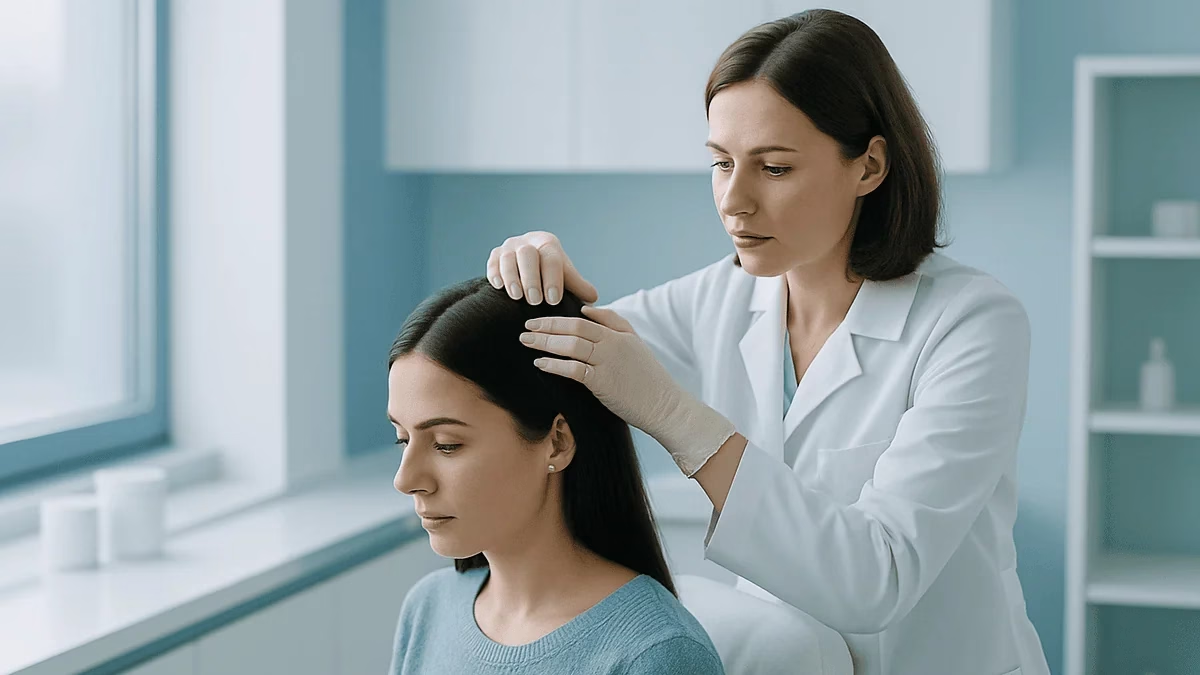
PRP treatment can cause temporary discomfort and local reactions, even though it uses material obtained from the patient’s own blood.
Possible PRP hair treatment side effects and PRP skin treatment side effects include:
- Tenderness or discomfort during injections.
- Redness and swelling around the treated area.
- Bruising or small marks at injection sites.
- Temporary scalp sensitivity.
- A small risk of infection or other procedure-related complications.
Aesta Aesthetics lists mild redness or swelling lasting approximately 1–2 days as a typical recovery expectation for its PRP service. This timeframe is not universal.
Aesta Aesthetics
Using a patient’s own plasma does not make the procedure entirely risk-free. Blood collection, preparation, injections and skin penetration must be handled appropriately.
Patients should tell the practitioner about their medications, bleeding disorders, active infections, relevant medical conditions and any history that could affect treatment suitability. Prescribed medication should not be stopped without advice from the prescribing clinician.
Contact the treating clinic if symptoms worsen rather than improve. Seek prompt medical assessment for severe pain, spreading redness, fever, significant swelling or other concerning symptoms.
How Much Does PRP Hair Treatment Cost in Pakistan?
The PRP hair treatment price in Pakistan varies by clinic, treatment area, preparation method and the number of sessions included in the treatment plan.
There is no single price that applies to every patient. The cost of PRP treatment for the face may also differ from scalp treatment because the treatment area and clinical approach can vary.
When comparing a PRP hair treatment cost or PRP treatment for face price, ask each clinic to clarify:
- The price of one session.
- The total estimated cost for the recommended course.
- Whether consultation and follow-up appointments are included.
- Whether any additional treatments are recommended.
- What the quoted price covers.
A lower price per session does not necessarily mean a lower total cost if the treatment course differs.
For current pricing, contact Aesta Aesthetics in Lahore directly. The clinic can clarify its available service and pricing information before you book.
Why Choose Aesta Aesthetics for PRP Treatment in Lahore?
Choosing a clinic for PRP treatment in Lahore should involve more than comparing prices or looking at before-and-after photographs.
Aesta Aesthetics provides a dedicated PRP skin and hair service with a published treatment process, session duration and general recovery guidance. The clinic’s approach begins with a discussion of the patient’s goals and the treatment options available.
Aesta Aesthetics+1
Before committing to a course, patients should look for clear answers about suitability, preparation, expected recovery, potential side effects and follow-up.
A consultation should also establish how progress will be assessed. For hair treatment, standardised photographs can help track visible changes. For facial treatment, the practitioner can discuss relevant changes in skin texture and appearance.
Aesta Aesthetics is located at 182 Airline Society, Main Boulevard, near UCP, Lahore. Patients can contact the clinic to arrange a consultation and discuss whether PRP is suitable for their concerns.
Aesta Aesthetics
Frequently Asked Questions
What Is PRP Hair Treatment?
PRP hair treatment uses platelet-rich plasma prepared from a patient’s blood and applied to the scalp. It may help improve hair density in selected patients, particularly those with certain forms of pattern hair loss.
What Is PRP Treatment for the Face?
PRP treatment for the face uses platelet-rich plasma in an aesthetic procedure intended to support skin rejuvenation. The expected benefits depend on the patient’s skin condition, the technique used and individual response.
Is PRP Better Than Other Hair Loss Treatments?
PRP is one option for selected types of hair loss. Treatments such as minoxidil may also be appropriate, depending on the diagnosis. A practitioner can help determine whether PRP, another treatment or a combination is suitable.
Can PRP Treatment Be Done Before Wedding Season?
PRP can be considered before a major event, but it is important to allow enough time for recovery and gradual results. Since early changes may take several weeks and a course may require multiple appointments, discuss your event date with the practitioner before booking.
Is PRP Treatment Safe for Everyone?
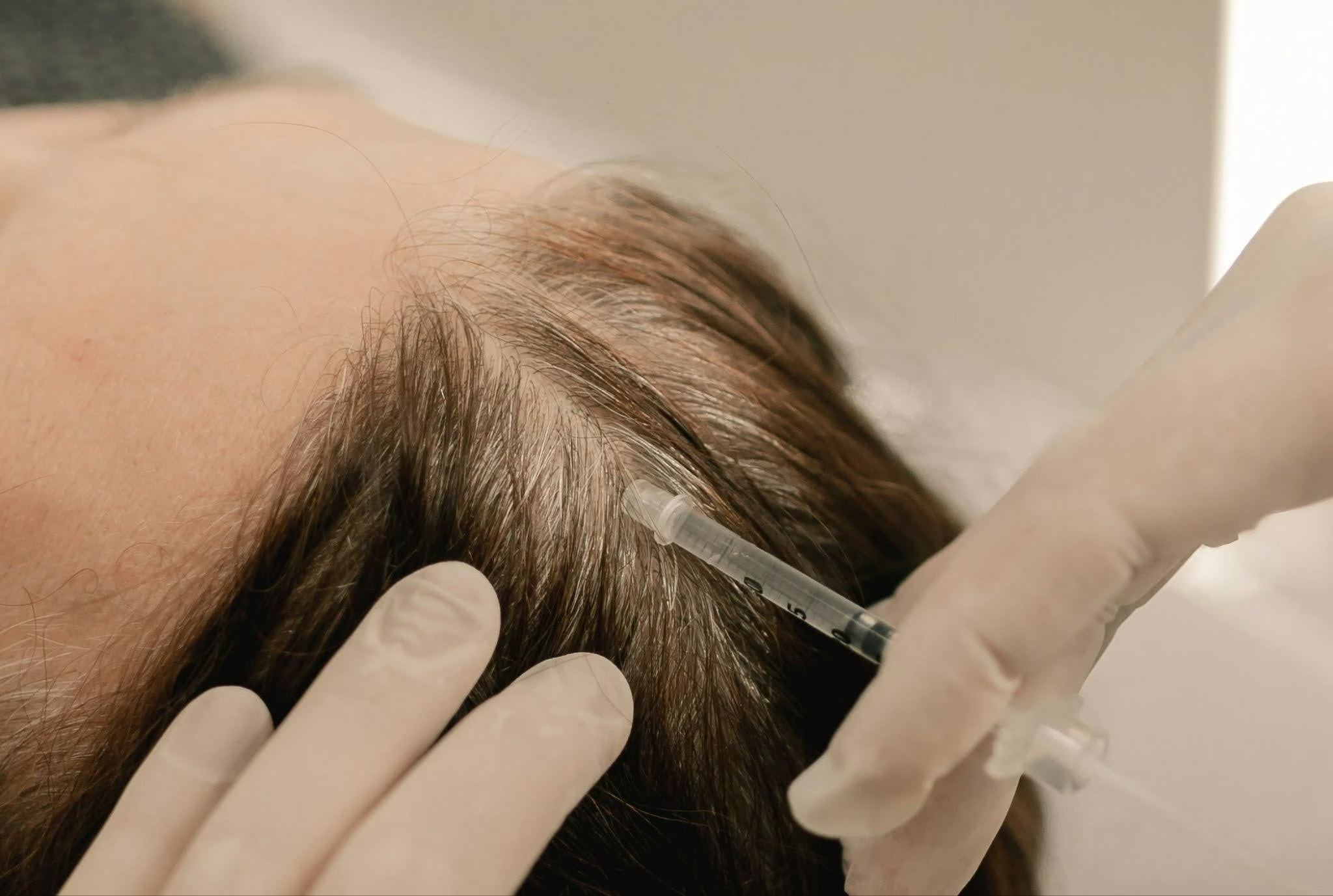
No. PRP is not suitable for every patient. Medical history, certain blood conditions, active infections and other factors can affect eligibility. A qualified practitioner should assess suitability and explain the potential risks before treatment.
Does PRP Treatment Give Permanent Results?
PRP does not guarantee permanent hair regrowth or permanent skin rejuvenation. Results vary, and some patients may need maintenance sessions or additional treatments depending on their goals and response.
Reviewed by Dr. Nasba Safdar, Aesta Aesthetics
Disclaimer: Results vary by individual, and this information is not a substitute for a professional consultation or personalised medical advice.
Book a PRP Consultation at Aesta Aesthetics
Considering PRP for skin and hair in Lahore? Contact Aesta Aesthetics to discuss your concerns, understand the recommended treatment plan and receive current pricing information.