
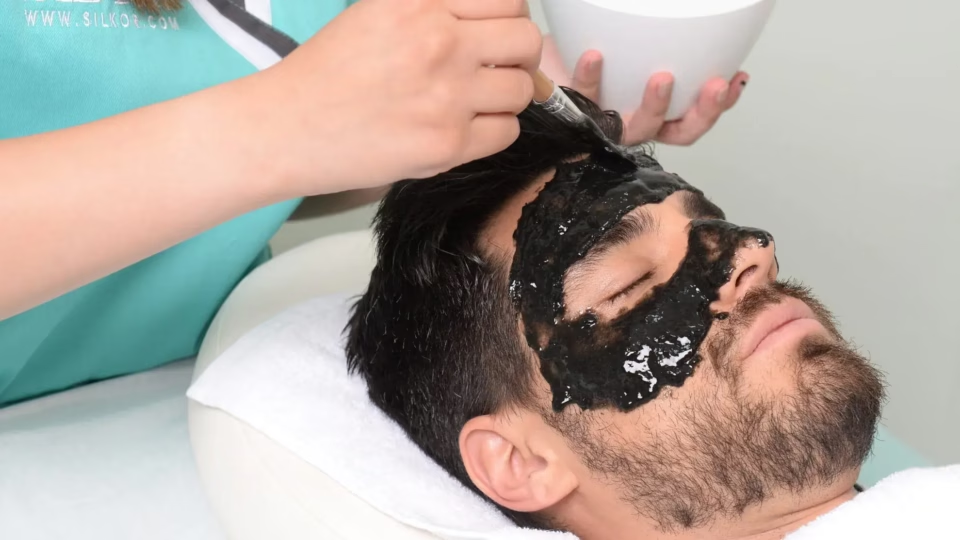
A carbon facial is a laser-assisted skin treatment that uses a layer of liquid carbon and laser energy to help remove surface impurities and improve the appearance of oily, congested skin. It may leave skin looking brighter and smoother, but it cannot permanently shrink pores, cure acne, or remove all pigmentation. Results and side effects vary by skin type and treatment settings.
A carbon facial is often called the Hollywood Peel because of its association with brighter, smoother-looking skin without the recovery period associated with more intensive resurfacing treatments. However, some claims about this procedure go beyond what it can realistically achieve.
If you are researching Carbon Facial Lahore, understanding the facts can help you decide whether this treatment suits your skin concerns. Aesta Aesthetics offers a carbon facial in Lahore for patients looking to address oily skin, visible pores, dullness, and uneven-looking texture.
Let’s separate common myths from realistic expectations, including the truth about carbon facial benefits, possible side effects, treatment results, and aftercare.
What Is a Carbon Facial, and How Does It Work?
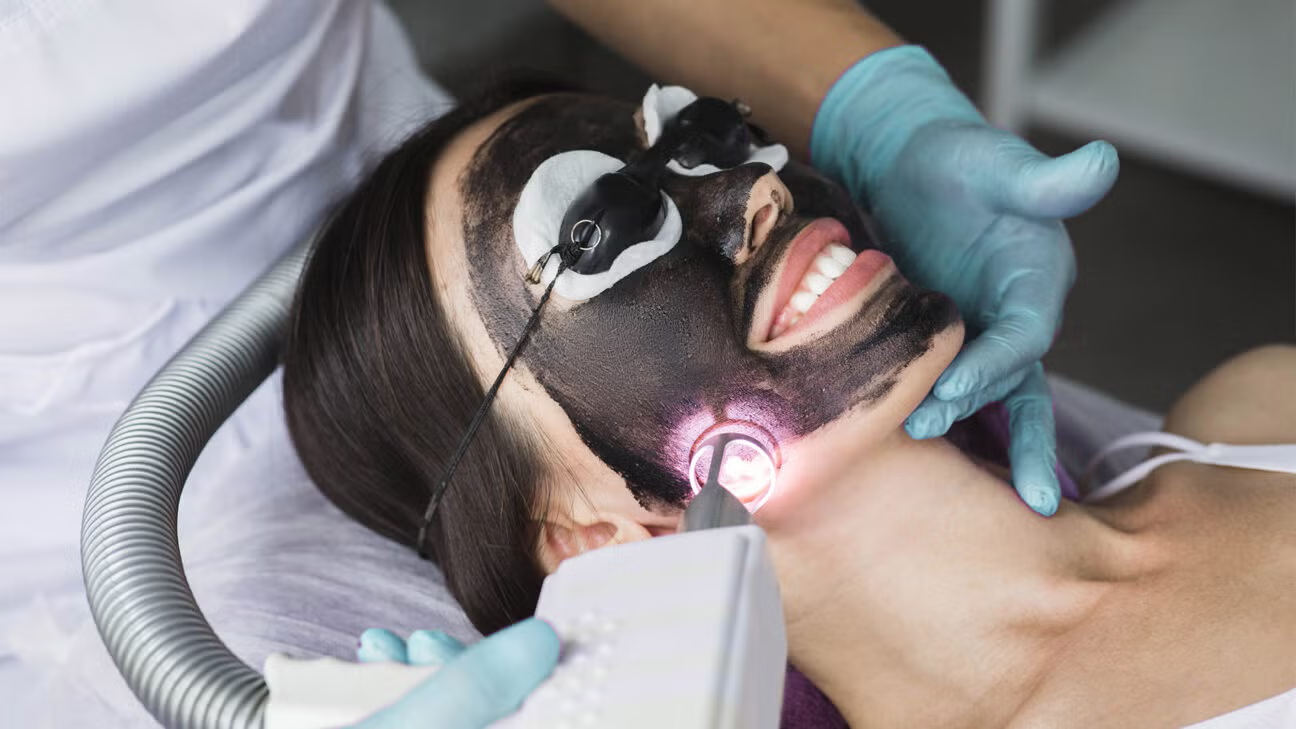
A carbon facial is a cosmetic treatment that combines a liquid carbon lotion with laser energy to exfoliate the skin’s surface and target oil and debris.
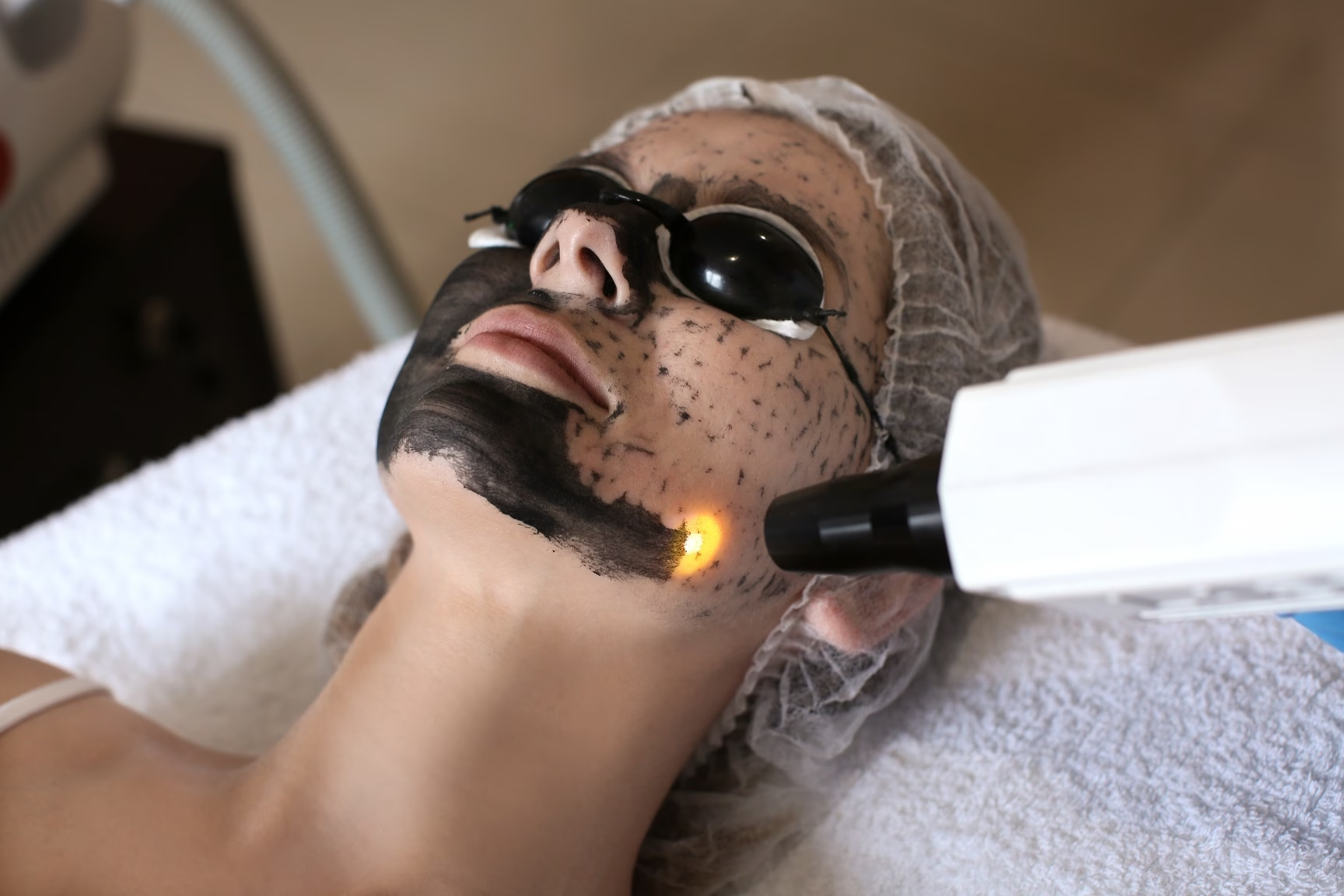
The practitioner applies a thin layer of carbon to clean skin and allows it to settle. A suitable laser is then passed over the treatment area. The carbon absorbs the laser energy and is removed during the process, helping lift away surface impurities.
The exact procedure depends on the equipment and protocol used by the clinic. A carbon facial is sometimes called a carbon laser facial, carbon peel facial, or carbon therapy facial. The term Spectra carbon facial is commonly associated with treatments using compatible Spectra laser platforms, although the name alone does not confirm which device or settings a clinic uses.
A carbon facial is different from ablative carbon dioxide (CO₂) laser resurfacing. These procedures use different techniques, target different skin concerns, and have different recovery requirements.
Which Carbon Facial Myths Should You Stop Believing?
Several common myths create unrealistic expectations about carbon facial benefits. Here is what patients should know before booking.
Myth: A Carbon Facial Permanently Shrinks Pores
Fact: A carbon facial may make pores look less noticeable, but it cannot permanently remove or close them.
Pore visibility depends on genetics, oil production, skin elasticity, and the buildup of dead skin cells. When excess oil and surface debris are reduced, pores may appear cleaner and less prominent.
However, pores are normal skin structures. They do not open and close like doors, and their underlying size cannot be permanently changed by a single facial.
For patients with oily or congested skin, a carbon laser facial may help improve the overall appearance of pores. The degree of improvement depends on the person’s skin and treatment plan.
Myth: A Carbon Facial Cures Acne
Fact: A carbon facial may help with oiliness and mild congestion, but it is not a guaranteed acne treatment.
Excess oil and clogged pores can contribute to breakouts. By helping remove surface oil and debris, a carbon facial may improve the appearance of oily skin.
However, acne can also involve inflammation, bacteria, hormonal changes, and deeper blockages. A carbon facial may not adequately address these causes, especially in cases of persistent inflammatory acne, painful nodules, or cysts.
If acne is frequent or leaves scars, a practitioner should assess the underlying problem and discuss appropriate treatment options. A carbon facial may be considered as part of a broader skincare plan when suitable, rather than a replacement for necessary acne treatment.
Myth: One Session Removes All Pigmentation and Dark Spots
Fact: One session may improve radiance, but persistent pigmentation usually requires a more targeted approach.
Uneven skin tone can result from sun exposure, acne marks, melasma, and other pigment-related conditions. These concerns do not all respond to the same treatment.
A carbon facial may leave the skin looking brighter and smoother, but it should not be presented as a guaranteed solution for melasma, deep pigmentation, or stubborn dark spots.
In particular, melasma can worsen with heat, sunlight, and skin irritation. Patients with pigmentation concerns should receive an assessment before undergoing laser-based treatments.
For lasting improvement, a practitioner may recommend a combination of sun protection, suitable skincare, and condition-specific treatments.
Myth: Carbon Facials Are Completely Risk-Free
Fact: Carbon facials are generally well tolerated by many suitable patients, but side effects are still possible.
Temporary redness, warmth, tightness, or mild irritation can occur after treatment. Less commonly, inappropriate settings or poor technique can cause burns, blistering, or changes in skin pigmentation.
The risk depends on the laser used, treatment settings, skin sensitivity, recent sun exposure, and the practitioner’s experience.
Patients with active skin infections, irritated skin, or certain skin conditions may need to postpone treatment or consider another option. A consultation helps identify potential risks before the procedure.
Myth: Every Skin Type Can Have the Same Carbon Facial
Fact: Treatment settings and suitability should be assessed individually.
Skin tone, sensitivity, active acne, pigmentation history, and recent skincare procedures can affect how the skin responds to laser energy.
This is particularly important for patients with darker skin tones, who may be more susceptible to post-inflammatory hyperpigmentation after some laser treatments. The risk depends on the device, settings, and individual circumstances; darker skin does not automatically rule out treatment.
A trained practitioner should review your skin history and current concerns before recommending a carbon laser facial. The goal is to select an appropriate approach, not to use identical settings for every patient.
Myth: A Carbon Facial Replaces Your Daily Skincare Routine
Fact: Regular skincare remains essential after treatment.
A carbon facial does not replace cleansing, moisturising, sun protection, or acne management. Without consistent skincare, oiliness and congestion can return, while sun exposure may worsen uneven pigmentation.
After treatment, follow the clinic’s specific aftercare instructions. A gentle cleanser, suitable moisturiser, and broad-spectrum sunscreen of at least SPF 30 are sensible foundations for skin care, unless your practitioner advises otherwise.
For patients in Lahore, sun exposure is particularly relevant during hot, bright weather. Daily sunscreen and limiting prolonged direct sunlight can help protect the skin and support more consistent results.
What Are the Real Carbon Laser Facial Benefits?
When performed on an appropriate candidate, a carbon laser facial may offer several cosmetic benefits.
- Brighter-looking skin: Removing surface debris may improve the appearance of dull skin.
- Reduced surface oil: The procedure may help oily skin look less greasy.
- Cleaner-looking pores: Reducing surface buildup may make congested pores less noticeable.
- Smoother-looking texture: Gentle exfoliation may improve the feel and appearance of the skin’s surface.
- Minimal recovery time: Many patients can return to normal daily activities soon after a suitable carbon facial.
- Convenience before an event: Some people choose the treatment when they want a temporary improvement in skin radiance.
These benefits are not guaranteed, and a carbon facial is not a substitute for treatment designed for deeper scars, significant wrinkles, or persistent pigmentation.
At Aesta Aesthetics, treatment suitability should be considered in relation to your skin concerns and desired outcome, rather than assuming that every patient will achieve the same result.
What Does Carbon Facial Before and After Usually Look Like?
Carbon facial before-and-after results often involve a temporary improvement in brightness, smoothness, and the appearance of surface congestion.
Some patients notice a fresher appearance shortly after treatment. Others may see little change, particularly when their main concern involves deeper acne scars, established pigmentation, or enlarged pores influenced by skin structure.
The following table explains what you may reasonably expect.
| Skin concern | Possible result | Important limitation |
|---|---|---|
| Dull-looking skin | Brighter appearance | The effect may be temporary |
| Oily skin | Less noticeable surface oil | Oil production may return |
| Congested pores | Cleaner-looking skin | Pores are not permanently removed |
| Mild uneven texture | Smoother appearance | Deeper scars may need other treatments |
| Dark spots | Variable improvement | Some pigmentation needs targeted care |
| Active acne | Possible improvement in surface congestion | It does not treat every cause of acne |
When reviewing carbon facial before-and-after photographs, look for consistent lighting, camera angles, and skin positioning. Ask whether the photographs show results from one session or a full treatment course. This helps you evaluate outcomes more realistically.
What Are the Possible Carbon Facial Side Effects?
Carbon facial side effects are usually mild when the procedure is appropriately selected and performed, but individual reactions can vary.
Possible short-term effects include:
- Mild redness or warmth immediately after treatment.
- Temporary skin sensitivity or tightness.
- Mild irritation or dryness.
- Temporary worsening of irritation in already sensitive skin.
Less common but more concerning effects include burns, blistering, and post-inflammatory hyperpigmentation, in which treated skin becomes darker after inflammation.
Seek advice from your practitioner if redness worsens, pain becomes significant, blisters appear, or you notice unusual skin colour changes.
It is also important to distinguish a carbon peel from more intensive laser procedures. A carbon facial should not automatically be assumed to have the same recovery period or risk profile as CO₂ laser resurfacing. The device and technique matter.
What Is the Correct Carbon Laser Facial Aftercare?
Good aftercare helps minimise irritation and supports the skin’s recovery following a carbon facial.
Follow the treating practitioner’s instructions, as recommendations may vary with the laser device and your skin condition.
Protect your skin from sunlight
Apply broad-spectrum SPF 30 or higher and reapply as directed, especially when outdoors. Avoid unnecessary direct sun exposure while the skin settles.
Use gentle skincare
Choose a mild cleanser and a suitable moisturiser. Avoid harsh scrubs and do not introduce multiple active products immediately after treatment.
Limit excessive heat and irritation
Follow your practitioner’s advice about hot showers, saunas, intense exercise, and other activities that may increase flushing during the initial recovery period.
Avoid picking or over-exfoliating
Do not scrub irritated skin or use strong exfoliating acids or retinoids until your practitioner confirms they can be resumed.
Many patients can return to routine activities after a suitable carbon facial. However, do not interpret minimal downtime as a reason to ignore persistent irritation or skip sun protection.
How Much Does a Carbon Laser Facial Cost in Lahore?
The cost of a carbon laser facial in Lahore varies by clinic, laser platform, treatment protocol, and whether the appointment is part of a package.
There is no single price that applies to every patient or provider. Before booking, ask what the quoted fee includes, whether a consultation is required, and whether additional sessions are likely to be recommended.
Aesta Aesthetics provides information about its carbon facial service and treatment process. Contact the clinic directly for current pricing and availability rather than relying on outdated online estimates.
When comparing carbon laser facial reviews, consider more than the price. Check whether the provider explains the procedure, discusses possible side effects, uses appropriate equipment, and sets realistic expectations.
Is a Carbon Facial Better Than a Photofacial?
Neither treatment is universally better; the right choice depends on your main skin concern and the technology used.
A carbon facial combines a topical carbon layer with laser energy and is commonly selected for oily or congested skin and a temporary improvement in radiance. A photofacial generally uses light-based technology, often intense pulsed light (IPL), to target selected concerns such as sun-related pigmentation, redness, and visible vessels.
The term photofacial can refer to different devices and protocols, so the comparison depends on the specific treatment being offered.
| Feature | Carbon facial | Photofacial |
|---|---|---|
| Main approach | Carbon lotion activated by laser energy | Light-based treatment, often IPL |
| Common cosmetic goals | Oiliness, congestion, dullness | Selected pigmentation and redness concerns |
| Expected recovery | Often minimal for suitable treatments | Varies by device and treatment intensity |
| Pigmentation treatment | Results depend on the cause and settings | May suit selected pigment concerns |
| Suitability | Requires skin assessment | Requires skin assessment, particularly for darker skin tones |
For example, someone mainly concerned about oily, congested skin may discuss a carbon facial with a practitioner. Someone concerned about sun spots or persistent facial redness may need an assessment to determine whether a photofacial or another treatment is more appropriate.
The best option should be selected after identifying the cause of the skin concern, assessing skin tone and sensitivity, and reviewing the potential risks of each procedure.
Frequently Asked Questions About Carbon Facial Lahore
How long does a carbon facial session take?
A carbon facial session typically takes around 30–40 minutes, although preparation and consultation may add time. The duration depends on the treatment area and clinic protocol.
How many carbon facial sessions are needed?
Some patients notice a temporary glow after one session. Others may need a course of treatments to address oiliness or skin texture. The number and spacing of sessions should be based on the skin assessment and response to treatment.
Is a carbon facial suitable for sensitive skin?
It may be suitable for some people with sensitive skin, but sensitivity can increase the risk of irritation. An assessment is important, especially if you have active dermatitis, a damaged skin barrier, or a history of reactions to laser treatments.
Can I get a carbon facial before a wedding?
A carbon facial may be considered before an event because suitable treatments often have minimal downtime. However, there is no guarantee of a particular result. If it is your first session, discuss the timing with your practitioner and avoid scheduling it so close to the event that there is no time to address an unexpected reaction.
Are carbon facial reviews enough to decide whether to book?
No. Reviews can help you understand other patients’ experiences, but they cannot predict your own results. Look for realistic before-and-after photographs, clear explanations of risks, appropriate practitioner training, and an individual consultation.
What should I avoid before a carbon laser facial?
Tell your practitioner about recent sun exposure, active skin problems, medications, and skincare products. Ask whether you should temporarily stop retinoids, exfoliating acids, or other potentially irritating products. Do not discontinue prescribed medication without advice from the prescribing clinician.
Reviewed by Dr. Nasba Safdar, Aesta Aesthetics
Disclaimer: Results vary by individual skin type, condition, and treatment settings. This article is for general educational purposes and is not a substitute for a professional skin consultation.
Book a Carbon Facial Consultation in Lahore
Considering a carbon facial for oily skin, visible pores, or dullness? Aesta Aesthetics can help you understand whether the treatment suits your skin and what results you can realistically expect.
Visit Aesta Aesthetics at 182 Airline Society, Main Boulevard, near UCP, Lahore, or contact the clinic to book a consultation.