A carbon facial is often a good choice for a refreshed appearance, oily skin and the look of enlarged pores, while a chemical peel can be more suitable for uneven skin tone, rough texture and certain types of pigmentation. The better option depends on your skin concerns, skin type, treatment depth and tolerance for downtime.
Which Treatment Is Better for Glowing Skin in Lahore?
If your skin looks dull, feels rough or appears oily despite a regular skincare routine, a professional facial treatment may help improve its appearance. When comparing Carbon Facial Lahore options with chemical peels, the important question is what you want to improve, not simply which treatment is more popular.
A carbon laser facial combines a carbon-based lotion with laser energy. A chemical peel uses a controlled chemical solution to exfoliate the skin. Both approaches can improve skin texture and radiance, but they do so through different mechanisms.
At Aesta Aesthetics, the right choice should start with an assessment of your skin concerns, sensitivity, pigmentation and treatment history. Visit Aesta Aesthetics to explore aesthetic treatments and arrange a consultation before deciding which option suits your needs.
What Is a Carbon Facial and How Does It Work?
A carbon facial is a laser-assisted treatment that uses a carbon-based lotion and a compatible laser to target the applied carbon and help remove surface impurities.
The treatment is also called a carbon laser facial, carbon peel facial or carbon therapy facial. Some clinics use the term carbon Spectra facial when referring to a treatment performed with a suitable Spectra laser system. The exact device and protocol matter, so patients should confirm which equipment is used.
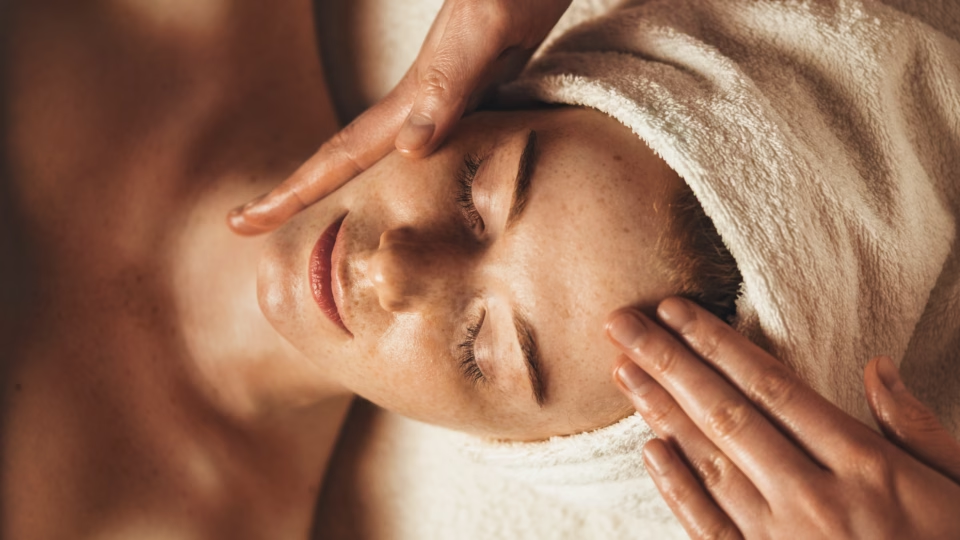
During a typical session, the practitioner cleanses the skin and applies a thin layer of carbon lotion. Once the lotion is ready, the practitioner passes the appropriate laser over the treated area. The laser interacts with the carbon, helping remove it along with some surface debris.
What Are the Main Carbon Laser Facial Benefits?
Carbon laser facial benefits may include:
- A fresher-looking complexion: The treatment can improve the appearance of dull, congested skin.
- A cleaner-looking surface: Laser-assisted removal of carbon may help reduce surface impurities.
- Improved appearance of oily skin: Some patients may notice a temporary reduction in surface oiliness.
- Less noticeable pores: Pores may appear less prominent when excess oil and debris are reduced, although their actual size is not permanently changed.
- Smoother-looking skin: Some patients notice a temporary improvement in the feel and appearance of their skin.
These carbon facial benefits vary with skin condition, the device used and the treatment settings. A carbon facial is not a guaranteed solution for acne, deep scars, melasma or every type of pigmentation.
How Does a Chemical Peel Work?
A chemical peel uses a carefully selected acid solution to exfoliate the outer layers of the skin. Depending on the formulation and depth, it can address dullness, rough texture, certain acne-related concerns and uneven pigmentation.
Common superficial peel ingredients include glycolic acid, lactic acid and salicylic acid. Other formulations may be selected for specific skin concerns and require different precautions.
A superficial chemical peel usually involves applying the solution for a controlled period before removing or neutralising it as appropriate. The skin may feel warm, sting or become red. Some patients experience visible flaking over the following days.
Chemical peels are not all equally strong. A superficial peel generally has less downtime than a medium-depth or deep peel. Stronger treatments require more careful assessment, preparation and aftercare.
According to the American Academy of Dermatology, recovery can range from around one to seven days for a refreshing peel to seven to fourteen days for a medium peel. These ranges depend on the peel used and individual healing. Deeper peels involve longer recovery and more intensive care.
Carbon Facial Lahore vs Chemical Peel: What Is the Difference?
A carbon facial and a chemical peel can both support a brighter-looking complexion, but they differ in how they treat the skin.
| Feature | Carbon Laser Facial | Chemical Peel |
|---|---|---|
| Treatment method | Carbon lotion combined with laser energy | Controlled application of a chemical exfoliating solution |
| Main focus | Surface impurities, oily appearance and visible pores | Exfoliation, uneven texture and selected pigmentation concerns |
| Skin texture | May improve the appearance of surface smoothness | Can improve roughness and uneven surface texture |
| Oily skin | May suit some patients with oily or congested skin | Salicylic acid peels may suit selected acne-prone skin types |
| Pigmentation | Results depend on the cause and laser protocol | Certain peels may help with selected pigmentation concerns |
| Downtime | Often limited, but temporary redness or sensitivity can occur | Ranges from mild redness to several days of peeling or longer recovery |
| Sessions | May require a course of treatments | Superficial peels commonly require multiple sessions |
| Main consideration | Correct laser selection and settings | Correct peel formulation, depth and skin preparation |
Neither treatment is automatically better for every patient. A carbon facial may be the more practical option for someone seeking a refreshed appearance with limited expected downtime. A chemical peel may be preferable when exfoliation and selected pigmentation or texture concerns are the main priorities.
The final decision should reflect your skin assessment rather than a one-size-fits-all treatment plan.
Which Treatment Gives a Better Glow After One Session?
A carbon facial may be appealing if you want your skin to look fresher without the visible peeling associated with some chemical treatments. Some patients notice a smoother or brighter appearance after one session, although the effect may be temporary.
A superficial chemical peel can also produce a brighter appearance after one session. However, the immediate result depends on the formulation, skin condition and how the skin responds. Mild redness or flaking may occur before the final appearance becomes clear.
Neither treatment guarantees a dramatic change after a single visit. Persistent pigmentation, acne marks and textural irregularities usually require a more targeted plan.
If you have an upcoming wedding, event or family gathering in Lahore, schedule treatment early enough to allow for possible irritation or peeling. Avoid trying an unfamiliar procedure immediately before an important occasion.
Is a Carbon Facial Better for Oily Skin and Enlarged Pores?

A carbon facial may suit some people with oily skin and pores that appear prominent because of excess oil or congestion.
The treatment can help remove carbon and surface debris, which may leave the skin looking cleaner. However, it does not permanently close pores or eliminate the underlying causes of acne.
A chemical peel can also be useful for oily or acne-prone skin. For example, a professionally selected salicylic acid peel may help address clogged pores and certain types of acne.
The better option depends on whether your main concern is surface oiliness, blackheads, active acne, post-acne marks or scarring. Active inflammation, sensitive skin and a history of pigmentation changes may affect the choice.
A consultation at Aesta Aesthetics can help establish whether a carbon laser facial, chemical peel or another treatment is more appropriate.
Which Treatment Is Better for Pigmentation and Acne Marks?
A chemical peel may be a suitable option for certain types of uneven pigmentation and superficial acne marks because it promotes controlled exfoliation. The choice of peel is important, particularly for medium and deeper skin tones.
A carbon facial may improve overall skin appearance, but it should not be treated as a universal pigmentation treatment. Melasma, post-inflammatory hyperpigmentation, sunspots and acne scars have different causes and may require different approaches.
People with darker skin tones can develop additional pigmentation after irritation or inflammation. An unsuitable peel strength or laser setting can increase this risk.
If pigmentation is your main concern, the practitioner should identify its likely cause before recommending a treatment. Deeper acne scars may need a different procedure altogether.
What Are the Carbon Facial Side Effects Compared With Chemical Peels?
Both treatments can cause temporary skin reactions. Their likelihood and severity depend on the device, treatment settings, peel depth and individual skin sensitivity.
Possible carbon laser facial side effects include:
- Temporary redness or warmth.
- Mild swelling or sensitivity.
- Irritation or dryness.
- Burns or pigment changes if unsuitable settings or poor technique are used.
Possible chemical peel side effects include:
- Stinging or burning during treatment.
- Redness, dryness and visible peeling.
- Temporary darkening or lightening of the skin.
- Infection or scarring in more serious cases.
The risk of complications increases with inappropriate treatment selection and inadequate aftercare. Chemical peels should be performed by a suitably trained professional who can select the correct formulation and depth.
If you have sensitive skin, active irritation, a recent sunburn or a history of pigmentation after procedures, discuss these concerns before booking either treatment.
What Is the Aftercare for a Carbon Laser Facial?
Carbon laser facial aftercare helps protect the skin while temporary redness or sensitivity settles.
Follow the specific instructions provided by your practitioner. General precautions include:
- Apply a gentle, non-irritating moisturiser if recommended.
- Use broad-spectrum sunscreen with SPF 30 or higher every day.
- Avoid excessive sun exposure, particularly during Lahore’s hot and sunny months.
- Avoid harsh exfoliants, scrubs and irritating active ingredients until your skin has settled and your practitioner confirms they can be resumed.
- Do not pick, scratch or aggressively rub treated skin.
- Contact your practitioner if you develop persistent burning, blistering, increasing swelling or unusual pigment changes.
Chemical peel aftercare may be more demanding, depending on the peel’s depth. You may need specific moisturisers, restrictions on active skincare products and closer monitoring while the skin heals.
Never assume that two treatments with similar names require identical aftercare.
How Much Does a Carbon Laser Facial Cost in Lahore?
The carbon laser facial cost in Lahore varies by clinic, laser platform, treatment area, practitioner expertise and the number of sessions recommended.
A single session and a package of multiple sessions may have different prices. Chemical peel costs also vary according to the formulation, treatment depth and whether additional skincare or follow-up care is required.
Aesta Aesthetics can advise you about available options and applicable pricing during your consultation. Ask what the quoted fee includes, which device or peel formulation will be used, and whether your skin concern is likely to require multiple sessions.
The lowest advertised price is not necessarily the best value. Appropriate assessment, suitable equipment, professional technique and clear aftercare instructions are important parts of a treatment decision.
Should You Choose a Carbon Facial or Chemical Peel at Aesta Aesthetics?
Choose based on your primary skin concern, your tolerance for downtime and the treatment recommended after a professional assessment.
A carbon facial may be worth discussing if you have oily-looking skin, surface congestion or a preference for a laser-assisted treatment with typically limited recovery.
A chemical peel may be worth discussing if you have dullness, rough texture or certain types of uneven pigmentation that may respond to controlled exfoliation.
If you are comparing photofacial vs carbon facial options, remember that a photofacial generally uses light-based technology to target selected concerns such as redness or pigmentation, depending on the device. A carbon facial instead combines carbon lotion with laser energy. These treatments are not interchangeable, and the best choice depends on the specific condition being treated.
At Aesta Aesthetics, the aim should be to select a treatment that matches your skin rather than choosing a procedure simply because it is trending.
Frequently Asked Questions
How many carbon laser facial sessions are usually needed?
The number of sessions depends on your skin concerns, treatment settings and response. Some people seek a single treatment for a refreshed appearance, while others may need a series. Your practitioner should recommend a schedule after assessing your skin.
Can I wear makeup after a carbon facial?
That depends on your skin’s response and your practitioner’s instructions. If redness or sensitivity is present, avoid products that could irritate the skin until it settles.
Is a carbon facial suitable for sensitive skin?
Not always. Sensitive or reactive skin requires careful assessment before laser treatment. Your practitioner may recommend an alternative if the procedure could worsen irritation.
Are carbon facial before-and-after photos reliable?
Photos can help illustrate possible results, but lighting, camera settings, treatment protocols and the time between photographs can affect how the skin looks. Ask for genuine, comparable images and remember that another patient’s results do not predict your own.
Is a carbon facial better than a photofacial?

Neither is universally better. A carbon facial may be considered for surface congestion and oily-looking skin, while a photofacial may be used for selected redness or pigmentation concerns. The exact device and diagnosis determine which option is appropriate.
Can I have a carbon facial and chemical peel together?
Combining treatments may be possible for selected patients, but it should not be done automatically. Treatment timing, skin sensitivity and the risk of irritation must be assessed by a qualified practitioner before procedures are combined.
Reviewed by Dr. Nasba Safdar, Aesta Aesthetics
Disclaimer: Results vary according to skin type, the condition being treated and individual response. This article is for general information and is not a substitute for a personalised consultation.
Book a Carbon Facial Consultation in Lahore
Not sure whether a carbon laser facial or chemical peel is right for your skin? Book a consultation with Aesta Aesthetics to discuss your concerns, understand the available options and receive a treatment recommendation tailored to your needs.
Visit aestaaesthetics.com to get started.