
Laser hair removal offers long-term hair reduction, but it does not guarantee permanent removal of every hair. After a course of treatments, many patients experience significantly less hair growth for months or years. Some regrowth is possible, and occasional maintenance sessions may be needed to maintain results.
Laser hair removal can significantly reduce unwanted hair and the need for regular shaving, waxing, or threading. However, one of the most common questions patients ask is whether the results will last forever.
The answer depends on several factors, including the treatment area, hair type, skin tone, hormonal changes, and the laser technology used.
For patients considering laser hair removal in Lahore, understanding what the treatment can realistically achieve is an important first step. At Aesta Aesthetics, a personalised assessment can help determine whether laser treatment is suitable for your skin and hair type.
How Does Laser Hair Removal Work?
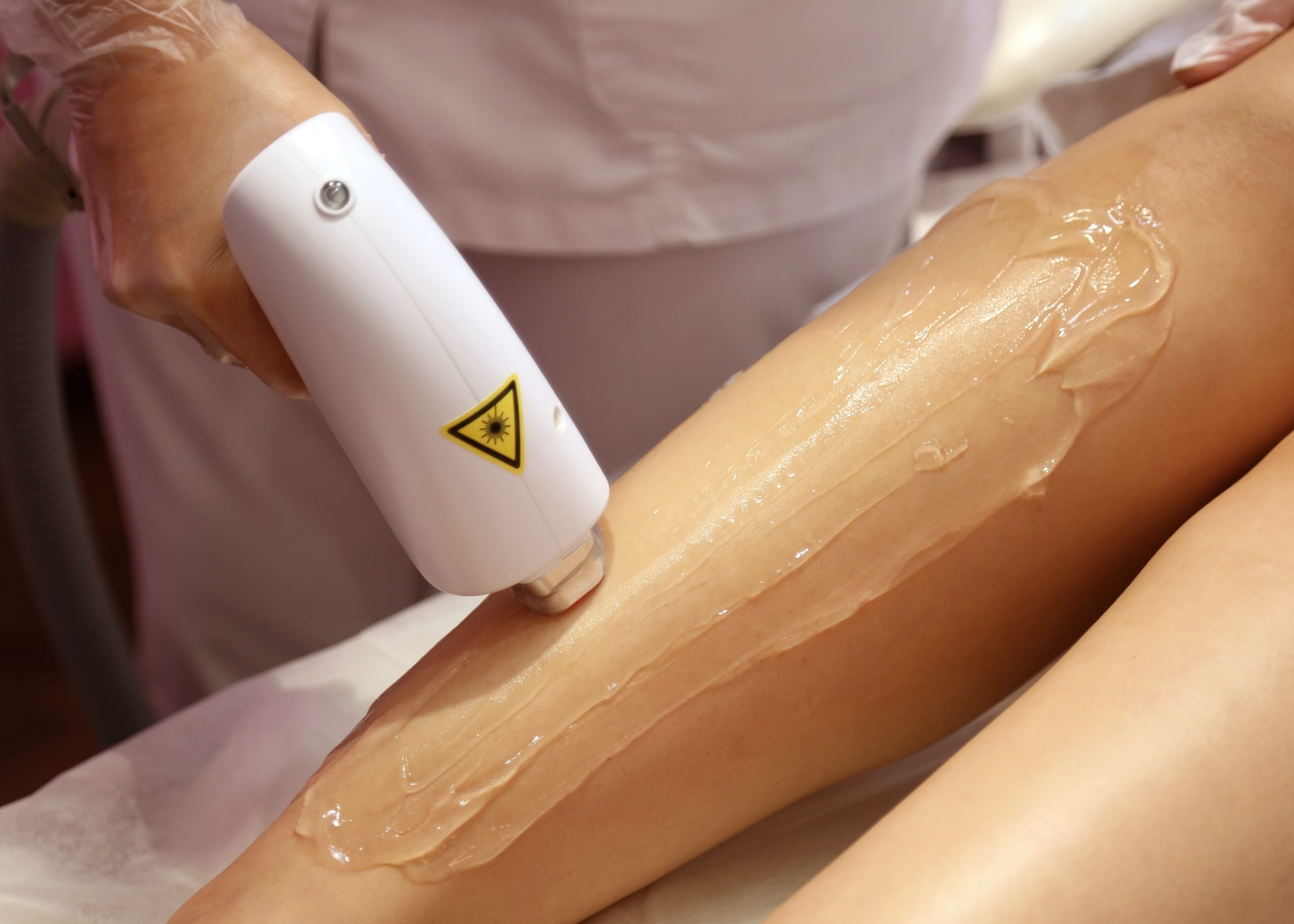
Laser hair removal works by directing concentrated light energy towards the pigment in the hair. The pigment absorbs the energy, which converts into heat and damages the hair follicle. This reduces its ability to produce new hair.
The treatment is most effective when the hair is in its active growth phase, known as the anagen phase. However, not every hair is in this phase at the same time.
This is why laser hair removal requires multiple sessions rather than a single appointment.
With repeated treatments, hair generally becomes:
- Less dense across the treated area.
- Finer and lighter in appearance.
- Slower to grow back.
- Easier to manage between sessions.
The goal is long-term hair reduction. The treatment does not guarantee that every follicle will be permanently inactive.
Is Laser Hair Removal Permanent or Does Hair Grow Back?
Laser hair removal can produce long-lasting results, but some hair may eventually return.
The term permanent hair reduction refers to a lasting decrease in the number of hairs that regrow after a complete treatment course. It does not mean that all hair is removed forever.
Some follicles may be damaged enough to stop producing visible hair. Others may recover and produce finer or less noticeable hair over time.
Hormonal changes can also stimulate new hair growth. This is particularly relevant for areas such as the face and chin, where hormonal influences can affect hair density.
For many patients, the results last for months or years. Maintenance treatments may be needed if noticeable regrowth occurs.
How Long Do Laser Hair Removal Results Last?
Laser hair removal results can last for several months or years after completing the initial treatment course. The exact duration varies from person to person.
Three factors have a particularly important influence on how long results last.
1. The treatment area
Areas such as the underarms and bikini line often respond well to laser hair removal. Facial hair can be more persistent because of hormonal influences.
2. Hair and skin characteristics
Dark, coarse hair generally responds better because it contains more pigment for the laser to target. Fine or light-coloured hair may respond less effectively.
3. Hormonal changes
Conditions or life stages associated with hormonal changes can contribute to new hair growth. This may affect the long-term results, particularly on the face.
A patient who completes the recommended sessions may enjoy a substantial reduction in hair for years. However, individual results cannot be guaranteed.
How Many Sessions Are Needed for Long-Lasting Results?
Most patients need around 6 or more sessions to achieve significant hair reduction. Some people require additional treatments depending on the area and their hair growth patterns.
Sessions are commonly scheduled around 4 to 6 weeks apart initially, although the appropriate interval depends on the treatment area and individual response.
| Treatment stage | What to expect |
|---|---|
| Sessions 1–2 | Early reduction in hair growth may become noticeable |
| Sessions 3–4 | Hair may grow back more slowly and appear finer |
| Sessions 5–6 | Further reduction in visible hair may occur |
| After the initial course | Maintenance sessions may be recommended if hair regrows |
These stages are a general guide, not a guaranteed timeline. Some patients need more sessions, and results may develop at different rates.
Completing the recommended course is important because treating hair at different growth stages helps improve overall results.
Which Areas Respond Best to Laser Hair Removal?

Laser hair removal can treat many areas of the face and body. However, the results vary according to hair thickness, growth patterns, and hormonal influences.
Underarms
Underarm laser hair removal is a popular option for people who want to reduce frequent shaving and irritation. Coarse, dark underarm hair often responds well to treatment.
Bikini Area
Bikini laser hair removal can reduce hair growth along the bikini line and other suitable areas. The treatment plan depends on the area being treated and the patient’s preferences.
Face
Laser hair removal for the face is commonly used for areas such as the upper lip, chin, and sideburns.
Facial hair may require ongoing maintenance, especially when hormonal factors contribute to regrowth. The provider should also assess the hair type carefully before recommending treatment.
Legs and Arms
Laser treatment can reduce unwanted hair on the legs and arms. Larger areas may require longer appointments, and several sessions are generally needed.
Back and Chest
Laser hair removal for men is commonly used on the back, chest, shoulders, and neck. Results depend on hair density, skin type, and hormonal influences.
What Types of Laser Hair Removal Are Available?
Different laser technologies are used for hair reduction. The right option depends on skin tone, hair characteristics, and the provider’s assessment.
| Laser type | General characteristics |
|---|---|
| Diode laser | Commonly used for hair reduction across several skin types when appropriately selected and adjusted |
| Alexandrite laser | Often effective for lighter skin tones with dark hair |
| Nd:YAG laser | Often preferred for darker skin tones because of its longer wavelength |
| Ruby laser | An older technology generally suited to lighter skin types |
Diode laser hair removal is a common option, but no single laser is ideal for every patient.
You may also come across names such as Candela and Soprano. These refer to laser platforms or product families rather than entirely separate treatment principles. Their suitability depends on the specific device, settings, and the person receiving treatment.
The device name alone does not guarantee better results. Proper assessment, appropriate settings, and the operator’s experience are essential.
Is Laser Hair Removal Safe for Pakistani Skin Tones?
Laser hair removal can be safe for Pakistani skin tones when the correct technology and treatment settings are used by a suitably trained professional.
Many people in Pakistan have medium to deep skin tones, which contain more melanin. Because laser energy can also interact with pigment in the skin, selecting the appropriate wavelength and settings is particularly important.
An unsuitable treatment can cause burns or changes in skin colour.
Before starting treatment, a qualified provider should assess your skin tone, hair type, medical history, and any recent tanning. A test spot may be appropriate in some cases.
At Aesta Aesthetics, a consultation can help establish whether laser hair removal is suitable for your skin and which treatment approach may be appropriate.
What Are the Side Effects of Laser Hair Removal?
Laser hair removal is generally well tolerated, but temporary side effects can occur. The most common include:
- Mild redness.
- Slight swelling around hair follicles.
- Temporary discomfort or a warm sensation.
- Mild skin sensitivity.
These effects usually settle within hours to a few days.
Less common but more serious side effects include burns, blistering, scarring, infection, and temporary or lasting changes in skin pigmentation.
The risk can increase when the laser settings are unsuitable, the skin is recently tanned, or the treatment is performed by an inexperienced operator.
Does Laser Hair Removal Cause Cancer?
There is no established evidence that properly performed hair-removal laser treatment causes cancer.
Hair-removal lasers use non-ionising light energy. This differs from ionising radiation, such as X-rays, which can damage DNA in ways associated with cancer risk.
However, laser hair removal is not suitable for every area of the body. Treatment should not be performed over suspicious skin lesions without appropriate medical assessment, and protective eyewear must be used.
If you have a changing mole, an unexplained skin lesion, or another skin concern, have it assessed before proceeding.
How Can You Maintain Laser Hair Removal Results?
A few practical steps can help protect your skin and support your treatment results.
Before treatment:
- Avoid tanning and excessive sun exposure.
- Follow the clinic’s instructions about shaving before your appointment.
- Tell your provider about medications, skin conditions, and recent cosmetic treatments.
- Avoid waxing, threading, or plucking the target hair when instructed, as these methods remove the hair the laser needs to target.
After treatment:
- Protect the treated area from direct sunlight.
- Apply broad-spectrum SPF 30 or higher to exposed skin.
- Avoid excessive heat and activities that irritate the skin until it settles.
- Follow the aftercare instructions provided by your practitioner.
Lahore’s strong sunlight, heat, and outdoor dust exposure make sun protection and gentle skincare particularly important after treatment. If you spend time outdoors, protect the treated area and avoid exposing irritated skin to direct sunlight.
If hair begins to return, consult your provider before scheduling another session. Maintenance treatments should be based on your regrowth pattern rather than a fixed schedule for everyone.
Is Laser Hair Removal Worth It in Lahore?
Laser hair removal may be worthwhile if you want a long-term reduction in unwanted hair and less reliance on shaving, waxing, or threading.
It can be especially helpful for people who experience frequent ingrown hairs, shaving irritation, or the inconvenience of regular hair removal.
However, it is important to consider the total treatment course rather than the price of a single session.
The laser hair removal cost in Pakistan varies according to the treatment area, number of sessions, laser technology, and clinic. Full-body treatments generally cost more than smaller areas such as the upper lip or underarms.
The laser hair removal cost in Lahore can also vary between providers. Before booking, ask what the quoted price includes, how many sessions are recommended, and whether maintenance treatments are charged separately.
For patients searching for laser hair removal near me, choosing a clinic based only on location or price may not be the best approach. The provider’s experience with your skin tone, the suitability of the equipment, and clear aftercare guidance are equally important.
A consultation at Aesta Aesthetics can help you understand the treatment plan, expected results, and likely costs for your specific needs.
Frequently Asked Questions
Can laser hair removal remove 100% of hair?
No. Laser hair removal can significantly reduce hair growth, but complete removal of every hair cannot be guaranteed. Some follicles may continue producing hair, while others may become active again over time.
Can I stop shaving after laser hair removal?
You may need to shave much less often after completing your treatment course. Some patients experience long periods with little visible hair, while others need occasional shaving or maintenance sessions.
Does laser hair removal work on fine or light hair?
Laser hair removal generally works best on dark, coarse hair. Blonde, white, grey, and some red hairs may respond poorly because they contain less of the pigment targeted by the laser.
Is laser hair removal painful?
Most patients describe the sensation as brief warmth, pinpricks, or a rubber-band snap against the skin. Discomfort varies depending on the treatment area, individual sensitivity, and the device used.
Can hormonal changes cause hair to grow back?
Yes. Hormonal changes can stimulate new hair growth, particularly on the face and chin. Patients with persistent or unexpected facial hair growth may benefit from discussing possible hormonal factors with a healthcare professional.
How often will I need maintenance sessions?
There is no universal maintenance schedule. Some patients may not need a follow-up treatment for many months, while others may benefit from occasional sessions sooner. Your provider can recommend an interval based on your regrowth.
Reviewed by Dr. Nasba Safdar, Aesta Aesthetics
Disclaimer: Results vary according to individual skin and hair characteristics. This article is for general information and is not a substitute for a personalised consultation with a qualified healthcare professional.
Book a Laser Hair Removal Consultation at Aesta Aesthetics
Want to know whether laser hair removal is right for your skin and hair type? Book a consultation with Aesta Aesthetics in Lahore to discuss suitable treatment options, expected results, and session costs.
Visit Aesta Aesthetics to get started.