
Laser hair removal before and after results typically include slower hair growth, finer regrowth, and reduced hair density over several sessions. Many patients need around 6–8 treatments, although some require more. Results depend on hair colour, skin tone, treatment area, hormones, and laser settings. Maintenance sessions may be needed to manage regrowth.
Laser hair removal Lahore patients consider it for smoother skin, fewer ingrown hairs, and less time spent shaving or waxing. However, the results develop gradually rather than after one appointment.
Before starting treatment, it helps to understand what your skin may look and feel like immediately after a session, how results change over time, and what genuine before-and-after photographs should show.
At Aesta Aesthetics, a consultation can help determine whether laser hair removal is suitable for your skin tone, hair type, and treatment goals. The right approach focuses on gradual hair reduction, realistic expectations, and appropriate skin care before and after each session.
What Do Laser Hair Removal Before-and-After Results Look Like?
Laser hair removal before and after results usually show a gradual reduction in visible hair, with finer and less noticeable regrowth after multiple sessions.
The changes are not always dramatic after the first appointment. Hair grows in different cycles, and the laser is most effective when hair follicles are in the appropriate growth phase.
Here is what patients may typically notice:
- Before treatment: Visible hair growth, frequent shaving or waxing, and possible razor bumps or ingrown hairs.
- After the first session: Some treated hairs begin shedding over the following days or weeks. Hair reduction may be modest.
- After 3–4 sessions: Hair may grow back more slowly, and some areas may appear less dense.
- After 6–8 sessions: Many patients notice a more substantial reduction in hair growth, although additional sessions may be needed.
- During maintenance: Occasional treatments may help manage regrowth.
These are general expectations, not guaranteed milestones. The American Academy of Dermatology explains that results depend on hair colour, thickness, treatment area, skin colour, and the laser used.
How Should You Prepare for Laser Hair Removal Before and After Treatment?
Preparing your skin properly can help reduce irritation and support safer treatment.
Before your appointment
- Avoid tanning: Limit sun exposure and tell your practitioner about any recent tan or sunburn.
- Shave the treatment area: Follow the clinic’s instructions, often shaving approximately 24 hours before the appointment.
- Avoid waxing and plucking: These methods remove the hair root that the laser needs to target. Ask your practitioner when to stop them before treatment.
- Discuss medications and skincare: Share your medication list, skin conditions, previous reactions, and any products that could increase skin sensitivity.
- Arrive with clean skin: Avoid applying products to the treatment area unless your practitioner advises otherwise.
After your appointment
- Apply a cool compress if the treated area feels warm or sensitive.
- Avoid direct sunlight and use broad-spectrum SPF 30 or higher on exposed skin.
- Avoid harsh exfoliants, fragranced products, and excessive heat until irritation settles, following your practitioner’s advice.
- Do not wax or pluck regrowing hair between sessions.
- Allow treated hairs to shed naturally rather than scrubbing them away.
These precautions are particularly relevant in Lahore, where strong sunlight and outdoor heat can make sun protection and avoiding skin irritation important parts of post-treatment care. The American Academy of Dermatology also recommends avoiding tanning and following your clinician’s specific instructions.
Is Laser Hair Removal Safe for Different Skin Types?
Laser hair removal can be suitable for a range of skin tones, including darker skin, when the appropriate laser, settings, and practitioner expertise are used.
The laser targets pigment in the hair follicle. Because skin also contains pigment, choosing suitable settings is especially important for people with brown or deeper skin tones.
Patients considering diode laser hair removal or other laser technologies should ask which device is being used and whether the practitioner has experience treating their skin tone. Device names alone do not establish that a treatment is appropriate.
Common temporary effects include redness, mild swelling, and discomfort. Less common complications include burns, blisters, scarring, and changes in skin pigmentation. The risk depends on the equipment, settings, skin characteristics, and treatment technique.
Which Areas Show the Most Noticeable Before-and-After Results?
Laser hair removal can treat several facial and body areas. The visible results depend on the thickness, colour, and growth pattern of the hair.
| Treatment area | What patients may notice |
|---|---|
| Face and upper lip | Reduced visible hair and less frequent hair removal |
| Underarms | Slower regrowth and less dense hair |
| Bikini area | Reduced hair growth and potentially fewer ingrown hairs |
| Legs | Longer periods between shaving and finer regrowth |
| Chest and back | Reduced density of coarse hair |
| Full body | Reduction across multiple treated areas, depending on the treatment plan |
What about facial laser hair removal?
Laser hair removal on the face requires careful assessment, particularly for fine hair and hormone-related growth. Some patients need more sessions or ongoing maintenance than those treating certain body areas.
For anyone comparing laser hair removal for men with facial treatments for women, the same principle applies: the plan should reflect the hair’s characteristics, the skin tone, and the individual’s goals.
Is Laser Hair Removal Permanent?
Laser hair removal can provide long-lasting hair reduction, but it does not guarantee that every treated hair will disappear permanently.
After a course of treatments, many patients experience significantly less hair growth for months or years. Some hairs may return, often finer or less noticeable, and maintenance sessions may be required.
Hormonal changes can also influence regrowth, especially on the face. This is why the question “Is laser hair removal permanent?” is best answered with realistic expectations rather than a promise of completely hair-free skin.
How Much Does Laser Hair Removal Cost in Lahore?
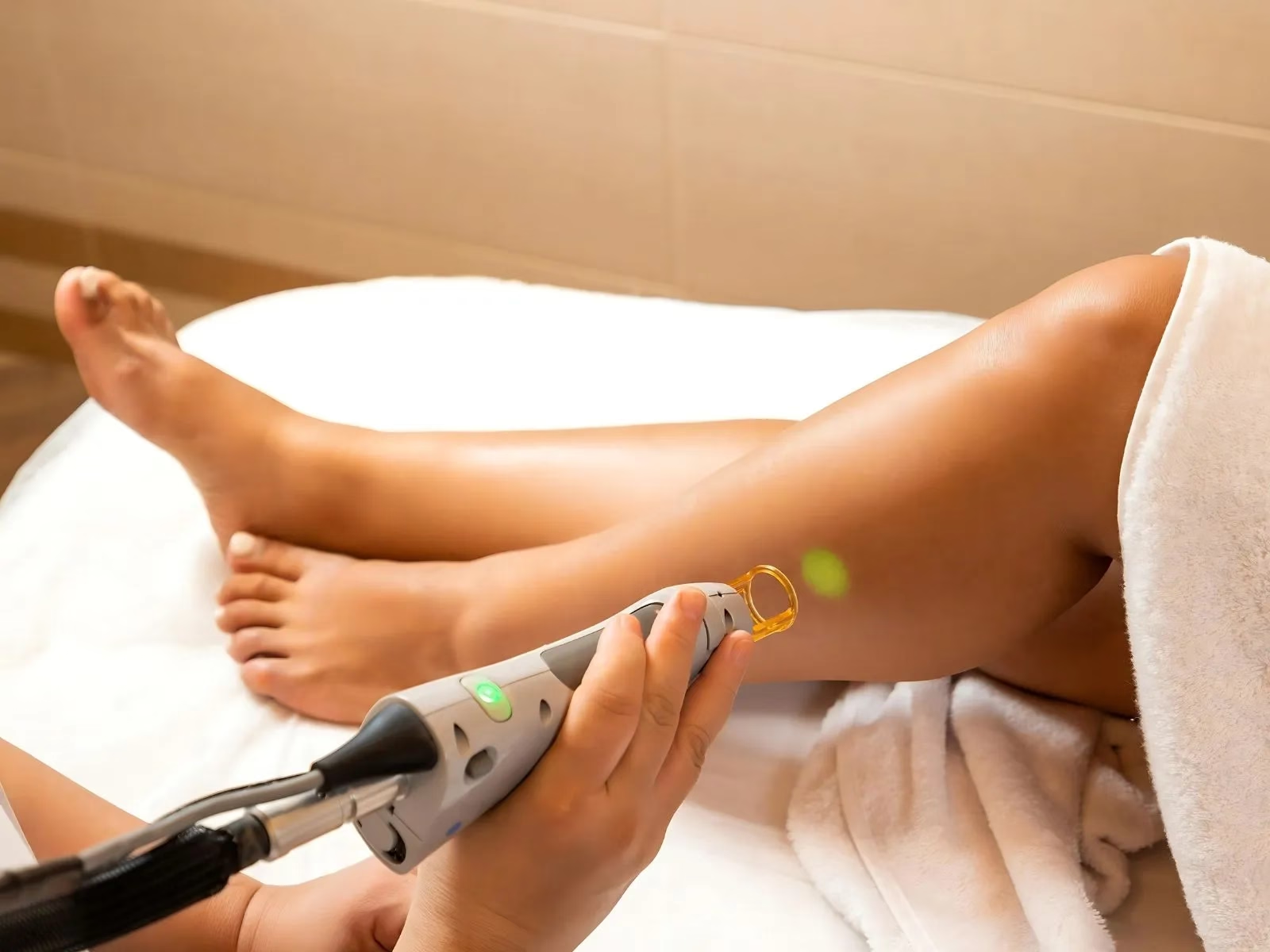
Laser hair removal cost in Lahore depends on the size of the treatment area, the technology used, the number of sessions required, and whether individual sessions or packages are available.
A small area, such as the upper lip, generally requires less treatment time than full legs or a full-body appointment. Therefore, full body laser hair removal cost in Pakistan can differ substantially between clinics and treatment plans.
Aesta Aesthetics can discuss the appropriate treatment areas and expected course during a consultation. Before booking, ask whether the quoted price covers one session or a package, which areas are included, and whether maintenance treatments are charged separately.
For an accurate estimate, request a personalised quote rather than relying on a generic online price.
Frequently Asked Questions About Laser Hair Removal
Does laser hair removal hurt?
Laser hair removal can cause mild discomfort, often described as warm pinpricks or a rubber-band sensation. The experience varies by treatment area, device, and individual sensitivity.
How many laser hair removal sessions will I need?
Many patients need approximately 6–8 sessions, although some require more. Your practitioner will recommend the treatment interval and number of sessions based on your hair growth, skin type, and response to treatment.
Does laser hair removal cause cancer?

There is no established evidence that properly performed cosmetic laser hair removal causes cancer. Hair removal lasers use non-ionising light, which differs from the ionising radiation associated with X-rays. However, appropriate eye protection and professional treatment remain important.
Can I shave between laser hair removal sessions?
Yes, shaving is generally permitted between sessions, provided your skin is not irritated and your practitioner has not advised otherwise. Avoid waxing and plucking because they remove the hair from the follicle.
What should I do if my skin becomes irritated after treatment?
Mild redness and swelling are common and often settle within a few hours to a few days. Use a cool compress and follow your aftercare instructions. Contact your practitioner if irritation worsens, and seek medical advice promptly for blistering, severe pain, or signs of infection.
Can I get laser hair removal before a wedding or special event?
Yes, but plan ahead. Multiple sessions are usually required, so starting well in advance is preferable. Avoid scheduling your first treatment immediately before an important event because temporary redness or irritation can occur.
Book a Laser Hair Removal Consultation in Lahore
If you are considering laser hair removal before and after results for your face, underarms, bikini area, legs, or other body areas, begin with a personalised assessment.
At Aesta Aesthetics, a consultation can help you understand your treatment options, expected results, session requirements, and aftercare. Visit aestaaesthetics.com to explore the clinic and arrange a consultation.
Reviewer: Reviewed by Dr. Nasba Safdar, Aesta Aesthetics.
Disclaimer: Results vary according to individual skin and hair characteristics, treatment settings, and adherence to aftercare. This article is for educational purposes and does not replace a personalised medical consultation.