
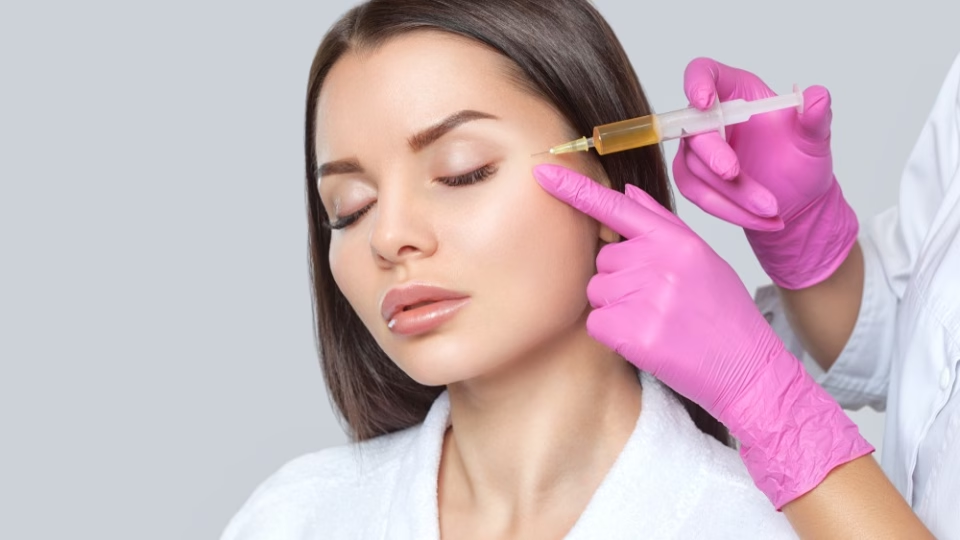
PRP for hair loss may suit people with early pattern hair loss, thinning hair, or certain types of non-scarring hair loss. It uses platelet-rich plasma prepared from a patient’s own blood and injected into the scalp. A dermatologist or qualified practitioner should assess the cause of hair loss, overall health, and remaining hair follicles before recommending treatment.
Hair thinning can develop gradually or become noticeable over a few months. You might see a wider parting, reduced hair density, a receding hairline, or more hair shedding than usual. The right treatment depends on why these changes are happening.
PRP, or platelet-rich plasma, is one option for selected patients. It uses components of your own blood to support the scalp’s natural repair processes. However, it does not work equally well for every type of hair loss, and it cannot reliably restore hair where follicles have been permanently destroyed.
At Aesta Aesthetics in Lahore, an assessment can help determine whether PRP treatment for hair loss is appropriate for your concerns. You can also explore the clinic’s PRP treatment services to understand your options for PRP for skin and hair.
What Is PRP Hair Treatment, and How Does It Work?
PRP hair treatment is a procedure that uses a concentrated portion of platelets from your own blood to support hair growth in suitable patients.
PRP stands for platelet-rich plasma. Platelets contain growth factors and other signalling proteins involved in the body’s natural healing processes. During treatment, a small blood sample is collected and processed in a centrifuge to separate the platelet-rich portion from other blood components.
The prepared plasma is then injected into selected areas of the scalp by a trained practitioner.
The goal is to improve the scalp environment and potentially support existing hair follicles. PRP does not create new follicles, and the degree of improvement depends on the cause and stage of hair loss.
PRP is also used in aesthetic medicine for selected skin concerns. However, PRP hair treatment and PRP treatment for the face involve different injection sites, treatment goals, and assessment criteria.
Who Is a Good Candidate for PRP Treatment for Hair Loss?
A good candidate is generally someone with thinning hair and viable hair follicles who has been assessed for a condition that may respond to PRP.
PRP may be considered for the following groups:
- People with early pattern hair loss: Men and women experiencing gradual thinning may benefit, particularly when hair follicles are still present.
- People with reduced hair density: Those noticing a wider parting or less volume may be suitable after an assessment.
- People with certain non-scarring hair loss conditions: A practitioner may consider PRP in selected cases, depending on the diagnosis and available evidence.
- People seeking an additional treatment option: PRP may complement an appropriate hair-loss plan rather than replace established treatments.
- People who understand realistic expectations: Candidates should be prepared for gradual changes, possible repeat sessions, and maintenance if recommended.
Suitability is not determined by age or gender alone. The pattern of hair loss, its duration, scalp health, medical history, and likely cause all matter.
A consultation at Aesta Aesthetics can help establish whether PRP is appropriate or whether another treatment or medical evaluation should come first.
Who Should Avoid PRP Hair Treatment or Seek Medical Advice First?
PRP may be unsuitable or require extra precautions for people with certain medical conditions, blood disorders, active scalp infections, or problems affecting platelet function.
A practitioner should review your medical history and current medicines before proceeding. Important considerations include:
- Unexplained or sudden hair loss: Rapid shedding can be associated with illness, nutritional deficiencies, hormonal changes, or other conditions that need investigation.
- Active scalp infection or inflammation: The underlying problem may need treatment before an elective procedure.
- Certain blood or platelet disorders: These may affect the safety or suitability of PRP.
- Significant anaemia or low platelet counts: Blood test results and the underlying cause may influence whether treatment is appropriate.
- Scarring hair loss: Some conditions permanently damage hair follicles and require specialist assessment rather than routine PRP.
- Medicines affecting bleeding or platelet function: These need to be reviewed individually. Never stop prescribed medication without advice from the prescribing clinician.
Pregnancy, breastfeeding, immune-related conditions, and other significant health concerns should also be discussed with the treating practitioner. The decision depends on the individual’s circumstances rather than a universal rule.
How Can You Tell If PRP Is Right for Your Type of Hair Loss?
The first step is identifying the cause of hair loss because PRP is more suitable for some conditions than others.
| Type of hair loss | How PRP may fit |
|---|---|
| Early male or female pattern hair loss | May be considered as part of a treatment plan. |
| Gradual thinning with visible scalp | May be an option if viable follicles remain. |
| Sudden or widespread shedding | The cause should be investigated before choosing PRP. |
| Hair loss linked to nutritional or hormonal problems | The underlying issue should be assessed and addressed. |
| Scarring alopecia | Requires specialist assessment because follicles may be permanently damaged. |
| Completely bald areas with longstanding follicle loss | PRP is unlikely to restore hair where functional follicles are absent. |
This table is a general guide, not a diagnosis. Different conditions can look similar, and some people have more than one cause of hair loss.
A practitioner may examine the scalp, review your shedding pattern, and recommend blood tests or referral to a dermatologist when indicated.
What Happens During a PRP Hair Treatment Session?
A PRP hair treatment session typically involves a blood draw, preparation of the platelet-rich plasma, and injections into the selected scalp areas.
The exact process varies according to the equipment, treatment protocol, and individual’s needs.
- Scalp assessment: The practitioner reviews your concerns, medical history, and pattern of thinning.
- Blood collection: A small amount of blood is taken from your arm.
- PRP preparation: A centrifuge separates the plasma containing concentrated platelets.
- Scalp preparation: The treatment area is cleaned. A suitable method of reducing discomfort may be used.
- PRP injections: The prepared plasma is injected into selected areas of the scalp.
- Aftercare guidance: You receive instructions about scalp care, washing, exercise, and when to resume your normal routine.
The appointment length depends on the areas treated and the clinic’s protocol. Mild tenderness, redness, swelling, or pinpoint bleeding may occur after injections.
What Is the PRP Hair Treatment Success Rate?
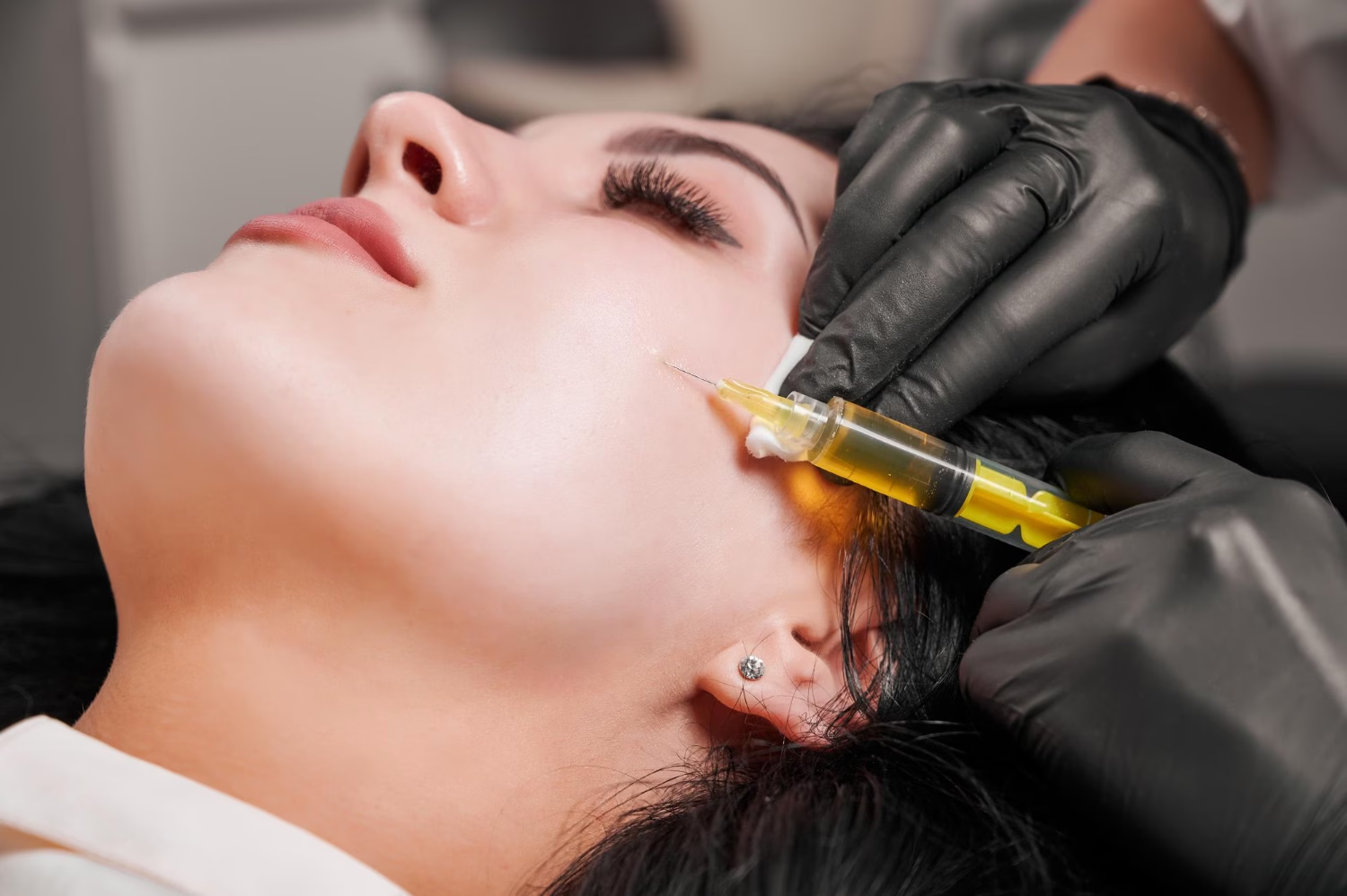
There is no single PRP hair treatment success rate that applies to every patient because results vary by diagnosis, treatment protocol, and individual response.
Clinical research suggests PRP may improve hair density in some people with androgenetic alopecia, also called male or female pattern hair loss. However, studies use different preparation methods, injection schedules, and outcome measures, making a single reliable success percentage difficult to apply to an individual.
Possible improvements include reduced shedding, increased hair density, or thicker-looking existing hair. Results are not guaranteed, and some patients experience little or no visible change.
Several factors can affect the outcome:
- The type and severity of hair loss.
- How long the condition has been present.
- Whether viable hair follicles remain.
- The PRP preparation method and treatment protocol.
- Other medical conditions and ongoing hair-loss treatments.
- Whether recommended follow-up sessions are completed.
PRP should be viewed as a treatment option with variable evidence and outcomes, not a guaranteed solution for baldness. Your practitioner can explain what would be realistic for your specific condition.
How Many PRP Hair Treatment Sessions Are Usually Needed?
PRP hair treatment commonly involves an initial course of multiple sessions, often spaced several weeks apart, followed by reassessment.
Some protocols use three initial sessions at approximately four-week intervals. Other plans may involve different schedules based on the diagnosis, response, and treatment method. These figures are examples of commonly used approaches, not a fixed prescription for every patient.
Hair changes take time because hair grows in cycles. An early review may focus on shedding and scalp response, while changes in density can take several months to assess.
Maintenance sessions may be suggested if the initial course helps. The need and timing should be based on your progress rather than an automatic commitment to repeated procedures.
What Are the Side Effects of PRP Hair Treatment?
PRP hair treatment side effects are usually temporary and related to blood collection or injections, but complications can occur.
Possible side effects include:
- Tenderness or discomfort at injection sites.
- Temporary redness or swelling.
- Minor bleeding or bruising.
- Headache or scalp tightness.
- Infection, although proper sterile technique helps reduce this risk.
- Rare complications associated with injections or blood collection.
Because PRP uses material prepared from your own blood, it avoids some concerns associated with injecting unrelated biological material. However, using your own blood does not make the procedure risk-free.
Choose a qualified practitioner who follows appropriate infection-control procedures and uses suitable equipment. Contact your clinic if symptoms worsen or if you develop spreading redness, increasing pain, fever, or other signs of infection.
How Much Does PRP Hair Treatment Cost in Lahore, Pakistan?
PRP hair treatment cost in Lahore varies by clinic, the preparation system used, the treatment area, practitioner expertise, and the number of sessions recommended.
There is no single standard PRP treatment cost or PRP hair treatment price in Pakistan. Prices may also differ between scalp PRP and PRP treatment for the face because the treatment goals and protocols can vary.
Before booking, ask the clinic to clarify:
- The price of one PRP hair treatment session.
- Whether consultation and scalp assessment are charged separately.
- How many sessions may be recommended initially.
- Whether follow-up or maintenance sessions have additional costs.
- Which preparation method and equipment are used.
- What the quoted price includes.
A lower price does not necessarily mean better value. Appropriate assessment, practitioner qualifications, sterile technique, and a treatment plan based on your diagnosis are important considerations.
For current PRP treatment in Lahore pricing, contact Aesta Aesthetics directly rather than relying on an outdated online estimate.
Is PRP for Skin and Hair the Same Treatment?
PRP for skin and hair uses platelet-rich plasma prepared from a blood sample, but the treatment approach depends on the area being treated and the concern being addressed.
For hair, PRP is injected into selected scalp areas to support existing follicles in suitable patients. For skin, PRP may be used as part of an aesthetic treatment plan for selected concerns involving skin texture or appearance.
PRP treatment for the face may involve different application techniques and a different number of sessions. It should not be assumed to produce the same results as scalp PRP.
People considering both treatments should receive a separate assessment for each concern. The expected benefits, limitations, risks, and cost should be discussed before either procedure.
Frequently Asked Questions About PRP Hair Treatment
Does PRP hair treatment hurt?
PRP involves injections into the scalp, so some discomfort is expected. The level varies by person and treatment technique. A suitable method of reducing discomfort may be offered.
When can I expect to see results from PRP for hair loss?
Some people begin noticing changes after a few months, but the timing varies. Hair density is generally assessed over several months rather than immediately after treatment.
Can PRP regrow hair on a completely bald scalp?
PRP is unlikely to restore hair in areas where follicles have been permanently destroyed or are no longer functional. A scalp assessment helps determine whether another option is more appropriate.
Can women receive PRP hair treatment?
Yes. Women with suitable types of hair thinning may be candidates. The cause of hair loss should be identified first, particularly when shedding is sudden or associated with other symptoms.
Can PRP replace medication for hair loss?
Not necessarily. PRP may be used alongside established treatments when appropriate, but it should not automatically replace prescribed medication. Discuss changes to your treatment plan with your healthcare professional.
Is PRP hair treatment permanent?
No. PRP should not be considered a permanent cure for pattern hair loss. Some patients may need maintenance sessions, and ongoing hair loss may require a longer-term management plan.
Book a PRP Consultation at Aesta Aesthetics in Lahore
PRP may be worth considering if you have early hair thinning and want to understand your treatment options. The most important first step is confirming the cause of your hair loss and whether your follicles are likely to respond.
Contact Aesta Aesthetics in Lahore to arrange a consultation and discuss PRP for skin and hair, expected outcomes, potential side effects, and the cost of a personalised treatment plan.
Reviewed by Dr. Nasba Safdar, Aesta Aesthetics
Disclaimer: Results vary by individual, and this article is for general information only. It is not a substitute for a professional consultation or medical diagnosis.