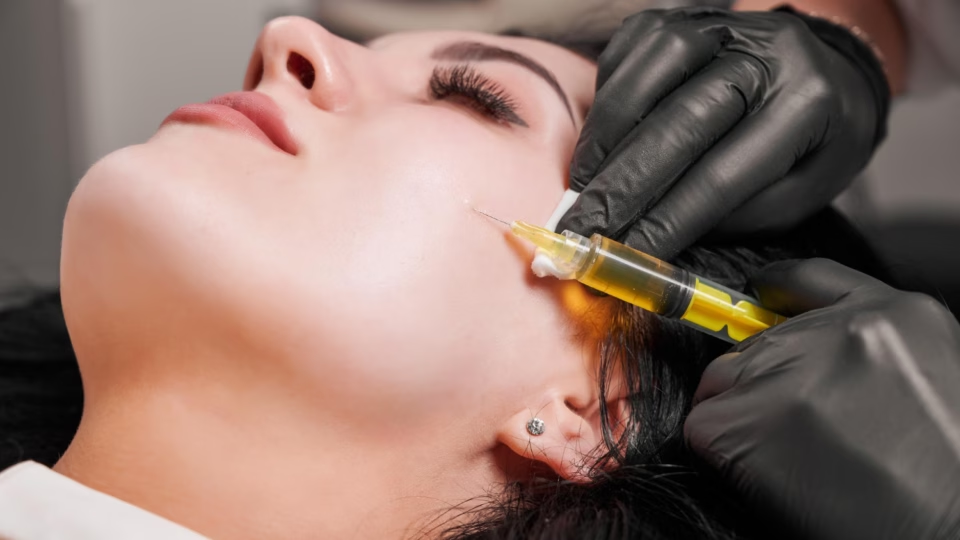
PRP for skin uses platelet-rich plasma prepared from your own blood to support the skin’s natural repair processes. It may gradually improve skin texture, fine lines, and overall skin appearance. Results usually develop over several weeks, and multiple sessions may be recommended. The outcome depends on your skin condition, treatment plan, and individual response.
PRP for skin and hair is an aesthetic treatment that uses a concentrated portion of a person’s own blood, known as platelet-rich plasma. In facial treatments, it is used to support skin rejuvenation and improve selected concerns, including uneven texture, fine lines, and the appearance of tired skin.
However, PRP does not produce the same results for everyone. Your age, skin condition, lifestyle, and treatment technique can all influence the outcome. Understanding what the treatment can realistically achieve helps you decide whether it suits your needs.
At Aesta Aesthetics in Lahore, a consultation can help determine whether PRP skin treatment is appropriate for your concerns or whether another procedure may be more suitable. You can explore the clinic’s aesthetic treatment services to learn more about available options.
What Results Can You Expect From PRP for Skin?
PRP for skin may gradually improve texture, fine lines, and the overall appearance of the face, but it is not a guaranteed solution for every skin concern.
The treatment uses platelets and growth factors from your own blood. These components play a role in the body’s natural healing processes. When PRP is used in an aesthetic procedure, the goal is to support the skin’s repair response and encourage changes in skin quality.
Depending on your starting skin condition and treatment approach, possible improvements include:
- Smoother skin texture: Rough or uneven-looking areas may appear more refined.
- Softer fine lines: Some fine lines may become less noticeable as skin quality improves.
- Improved skin appearance: Skin may look fresher and more even in texture.
- Support for skin firmness: Changes in skin quality may help the face look healthier, although significant lifting should not be expected.
- Improved appearance of selected acne scars: Some types of atrophic acne scarring may respond when PRP is used as part of an appropriate treatment plan.
These changes are usually gradual rather than immediate. PRP is not a substitute for a facelift, a pigmentation-specific treatment, or a comprehensive acne scar treatment plan.
The most important consideration is your primary concern. A person seeking subtle improvements in skin texture may have different expectations from someone hoping to correct deep wrinkles or significant skin laxity.
How Long Does PRP for Skin Take to Show Results?
PRP skin results typically develop over several weeks, with further changes possible over the following months. The exact timeline depends on the treatment method, number of sessions, and individual healing response.
The following table provides a general guide rather than a guaranteed schedule.
| Time after treatment | What you may notice |
|---|---|
| First 24–72 hours | Temporary redness, swelling, tenderness, or small bruises may occur. |
| First 1–2 weeks | Initial irritation usually settles, although recovery varies by technique. |
| Weeks 3–6 | Early changes in skin texture or appearance may become noticeable in some patients. |
| Weeks 6–12 | More gradual improvements may become easier to assess. |
| After 3 months | A practitioner can review the outcome and discuss whether further sessions are appropriate. |
These timeframes are approximate. Some people notice little visible change after one session, while others report a gradual improvement in skin quality.
A series of treatments may be recommended instead of relying on a single appointment. The interval between sessions should be based on your skin, treatment technique, and practitioner’s assessment.
Take photographs before treatment and compare them under similar lighting after recovery. This can help you evaluate subtle changes more accurately than relying on memory alone.
What Is PRP Skin Treatment, and How Does It Work?
PRP skin treatment involves collecting a small blood sample, processing it to concentrate platelets, and applying or administering the prepared plasma using an appropriate clinical technique.
Platelets contain substances involved in tissue repair and healing. The purpose of PRP is to use these components in a targeted aesthetic treatment.
A typical appointment may involve the following steps:
- Skin assessment: The practitioner examines your skin, discusses your concerns, reviews your medical history, and checks whether PRP is suitable.
- Blood collection: A small sample of blood is collected using sterile equipment.
- PRP preparation: The sample is processed, commonly using centrifugation, to separate the platelet-rich portion.
- Treatment application: The prepared PRP is delivered using the technique selected by the practitioner. Depending on the method, this may involve injections or application alongside microneedling.
- Aftercare guidance: You receive instructions for caring for your skin and reducing the risk of irritation or complications.
The precise procedure can differ between clinics and treatment protocols. PRP preparation and delivery methods also influence the treatment experience.
PRP is an autologous treatment, meaning the material comes from your own body. This does not make the procedure risk-free. Blood collection, injections, and skin-penetrating techniques still carry potential complications.
What Are the Main Benefits of PRP Treatment for Face?

The potential benefits of PRP treatment for the face include improvements in selected skin-quality concerns, but the strength of evidence varies depending on the condition and technique used.
Patients commonly consider facial PRP for the following reasons:
- Fine lines and early signs of ageing: PRP may help soften the appearance of some fine lines.
- Uneven skin texture: It may support improvements in overall skin texture.
- Acne scars: Certain depressed acne scars may improve when PRP is combined with an appropriate procedure, such as microneedling.
- Dull-looking skin: Some patients seek a healthier-looking complexion rather than a dramatic change in facial features.
- Early changes in skin quality: PRP may be considered when the goal is subtle improvement rather than substantial lifting or volume replacement.
It is important to distinguish possible benefits from established outcomes. Research on PRP for facial rejuvenation has limitations, including differences in preparation methods, application techniques, and study quality. Strong, consistent evidence for every advertised benefit is not available.
PRP also does not reliably remove deep pigmentation, replace lost facial volume, or correct significant sagging on its own.
For patients considering a PRP treatment for face benefits, the best starting point is a clinical assessment of the concern they want to address.
Is PRP for Skin Different From PRP for Hair Treatment?
Yes. PRP for skin focuses on selected skin-quality concerns, while PRP hair treatment is used to support hair growth in appropriate patients with certain types of hair loss.
Both procedures use platelet-rich plasma prepared from the patient’s blood. However, the treatment area, delivery technique, goals, and assessment criteria are different.
| Feature | PRP for skin | PRP hair treatment |
|---|---|---|
| Main goal | Improve selected aspects of skin quality | Support hair growth and hair density in suitable patients |
| Treatment area | Face or other selected skin areas | Scalp |
| Potential benefits | Changes in texture and fine lines | Possible improvement in hair density or shedding |
| Assessment | Skin condition, texture, lines, and scarring | Hair loss pattern, scalp health, and likely cause |
| Treatment plan | May involve a series of sessions | Often involves an initial series and possible maintenance |
| Evidence | Variable, depending on the skin concern and technique | Evidence supports potential benefit for some types of hair loss, but responses vary |
If you are researching what is PRP hair treatment, it is important to know that it is not suitable for every cause of hair loss. A practitioner should assess whether your hair loss pattern is likely to respond.
Likewise, facial PRP should be selected according to your skin concerns rather than treated as a universal solution for all signs of ageing.
What Side Effects Can PRP Treatment Cause?
PRP treatment side effects are usually related to blood collection, injections, or the skin treatment technique, and temporary discomfort or irritation can occur.
Possible side effects include:
- Redness and swelling at the treatment site.
- Tenderness or mild discomfort.
- Small bruises or pinpoint bleeding.
- Temporary sensitivity or irritation.
- Infection, particularly if appropriate sterile procedures are not followed.
- Less commonly, prolonged inflammation, scarring, or other procedure-related complications.
If PRP is combined with microneedling, the skin may remain red and sensitive for several days. Deeper or more intensive procedures can require longer recovery.
Because PRP comes from your own blood, allergic reactions to the plasma itself are less likely than with some externally sourced substances. However, other materials used during treatment can cause reactions, and using your own blood does not eliminate the risk of infection or injury.
Seek medical advice promptly if you develop worsening pain, spreading redness, increasing swelling, fever, pus, or other signs of infection.
A practitioner should also review relevant medical conditions, medications, bleeding disorders, platelet problems, and active skin infections before treatment. Do not stop prescribed medication without guidance from the clinician who manages it.
How Many PRP Skin Sessions Do You Need?
Many PRP skin treatment plans involve approximately two to three initial sessions, but this is a general planning range rather than a universal recommendation.
Your practitioner may recommend a different schedule based on your skin condition, treatment method, medical history, and response to the first session.
A personalised plan should explain:
- How many sessions are being considered.
- The recommended interval between appointments.
- Which changes are realistic for your skin.
- When your progress will be reviewed.
- Whether maintenance treatment may be useful.
One session may be enough for some patients to assess their response, but it should not be assumed to produce a dramatic or lasting result.
Before committing to a course of treatment, ask how progress will be measured and what alternatives are available if PRP is unlikely to address your primary concern.
How Can You Maintain PRP Skin Results in Lahore’s Climate?
You can support your skin after PRP by following the practitioner’s aftercare instructions, protecting it from sunlight, and avoiding unnecessary irritation during recovery.
Lahore’s strong sunlight, heat, and dust can make sensible skin care particularly important, especially while the skin is recovering from injections or microneedling.
Follow these practical steps:
- Protect your skin from the sun. Once your practitioner says it is appropriate, use broad-spectrum SPF 30 or higher and reapply as directed.
- Keep your routine gentle. Use a mild cleanser and a suitable moisturiser while the skin settles.
- Avoid irritating products initially. Follow your clinician’s instructions about retinoids, exfoliating acids, scrubs, and other active ingredients.
- Keep the treated area clean. Avoid touching or rubbing the skin unnecessarily.
- Follow activity restrictions. Your practitioner may advise temporarily avoiding strenuous exercise, saunas, excessive heat, or swimming, depending on the procedure.
- Attend follow-up appointments. These help assess healing and determine whether additional treatment is appropriate.
Avoid applying makeup or using active skincare products until your practitioner confirms that it is safe to do so. Specific instructions depend on whether PRP was injected or used with microneedling.
Good aftercare supports recovery, but it cannot guarantee a particular cosmetic result.
How Much Does PRP Treatment for Face Cost in Lahore?
The cost of PRP treatment for face in Lahore varies according to the clinic, treatment technique, practitioner, preparation system, and number of sessions required.
There is no single price that applies to every patient. A quote for one facial PRP session may also differ from a package that includes multiple appointments or a combination procedure.
When comparing PRP treatment cost, ask whether the quoted price includes:
- The initial consultation and skin assessment.
- PRP preparation and the treatment itself.
- Microneedling, if included in the plan.
- Follow-up appointments.
- Any recommended maintenance sessions.
The same principle applies when researching PRP hair treatment cost or PRP hair treatment price in Pakistan. Hair treatment and facial treatment are different services, so their prices should not be compared as though they are identical.
For patients seeking PRP treatment in Lahore, Aesta Aesthetics can discuss suitable options following an assessment. Contact the clinic through its official website to enquire about current availability and pricing.
Choosing a provider based only on the lowest price may overlook important factors such as practitioner experience, sterile technique, appropriate patient selection, and follow-up care.
Who Is a Suitable Candidate for PRP Skin Treatment?
PRP skin treatment may suit adults seeking gradual improvements in selected skin-quality concerns who understand the treatment’s limitations.
Suitability depends on your skin condition, general health, medical history, and expectations. A consultation is particularly important if you have a bleeding disorder, low platelet count, an active infection, or another condition that may affect healing.
PRP may not be the most appropriate first choice if your main concern is deep pigmentation, significant skin laxity, pronounced wrinkles, or substantial volume loss. Other treatments may address these concerns more effectively.
A qualified practitioner should explain the potential benefits, risks, alternatives, and expected costs before recommending a treatment plan.
Frequently Asked Questions About PRP for Skin and Hair
Is PRP for skin worth considering?
PRP may be worth considering if your goal is gradual improvement in skin texture, fine lines, or selected acne scars. Its value depends on your concerns, the likely benefit, treatment cost, and whether other procedures may be more effective.
Is PRP treatment for face painful?
Discomfort varies by person and technique. Blood collection and injections may cause brief discomfort, while microneedling can produce a stinging sensation. A practitioner can explain the comfort measures available before treatment.
What is the success rate of PRP hair treatment?
There is no single reliable success rate that applies to everyone receiving PRP hair treatment. Results depend on the cause of hair loss, its severity, the treatment protocol, and individual response. PRP may help some people with pattern hair loss, but it does not guarantee regrowth.
Can PRP remove acne scars completely?
No. PRP should not be expected to remove acne scars completely. Some depressed scars may improve when PRP is combined with a suitable procedure, but the degree of improvement varies according to scar type, depth, and skin response.
How long do PRP skin results last?
The duration of PRP skin results varies, and there is no universally established timeframe that applies to every patient. Your skin condition, treatment method, ageing, sun exposure, and skincare habits may influence how long improvements remain noticeable.
Can PRP be combined with other aesthetic treatments?
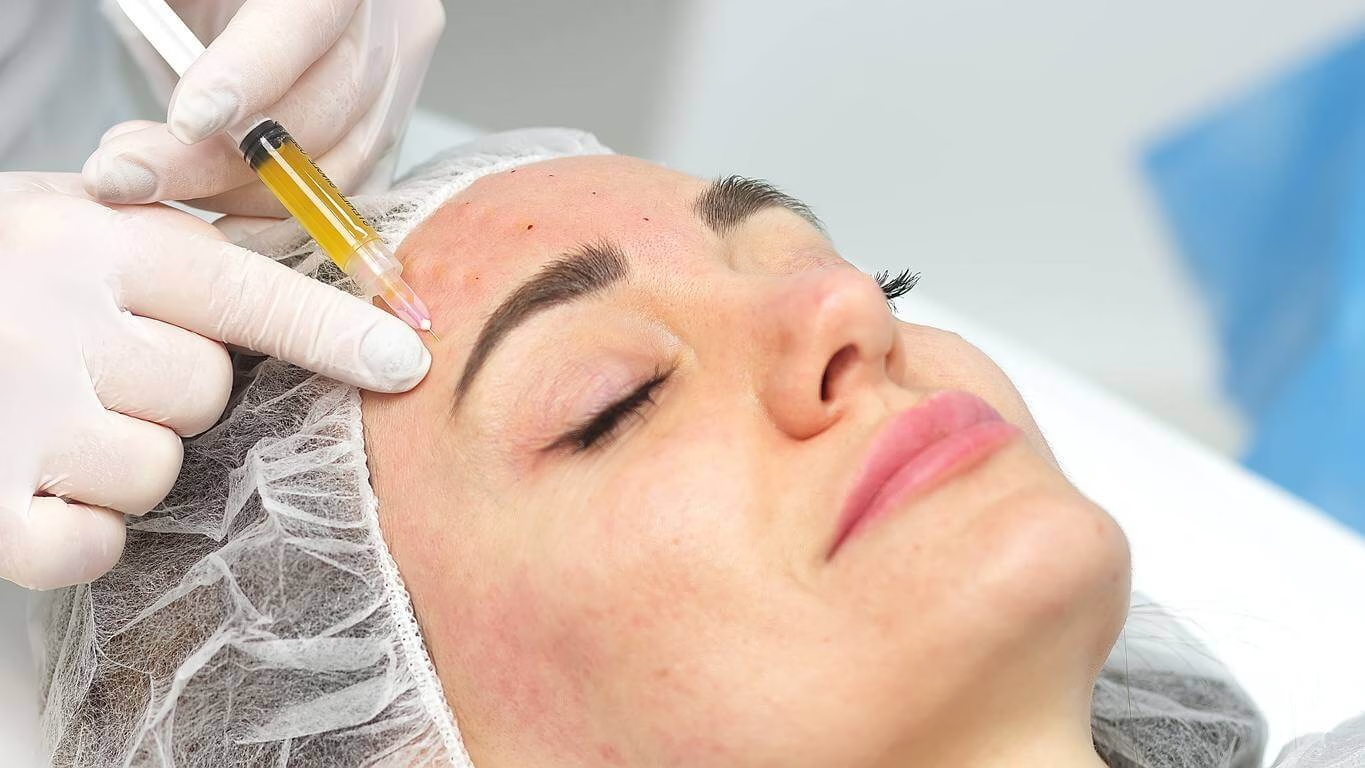
Yes, PRP may be combined with selected procedures, including microneedling, when clinically appropriate. However, the combination, timing, and potential risks should be assessed by a qualified practitioner rather than assumed to be suitable for everyone.
14. Final Thoughts: Is PRP for Skin Right for You?
PRP for skin and hair offers different treatment options for people seeking improvements in skin quality or certain types of hair loss. For facial rejuvenation, potential benefits include gradual changes in texture, fine lines, and selected acne scars. Results are variable, and the treatment has limitations.
The best approach is to identify your main concern and discuss whether PRP is likely to help. A personalised assessment can also clarify the number of sessions, expected recovery, alternatives, and total cost.
Book a consultation with Aesta Aesthetics in Lahore to discuss your skin concerns and find out whether PRP skin treatment is appropriate for you.
Reviewed by Dr. Nasba Safdar, Aesta Aesthetics
Disclaimer: Results vary by individual, and this article is for general educational purposes only. It is not a substitute for a professional consultation, diagnosis, or personalised medical advice.