

PRP for skin may improve skin texture, radiance, fine lines and the appearance of some acne scars by supporting collagen production. Early improvements may appear within 4–6 weeks, with further changes developing over several months. Most patients need multiple sessions, and results depend on skin condition, age, treatment technique and individual response.
Introduction
PRP for skin and hair is a regenerative aesthetic treatment that uses platelet-rich plasma prepared from a small sample of your own blood. For skin rejuvenation, the concentrated plasma is applied or introduced into the skin to support its natural repair processes and stimulate collagen production.
At Aesta Aesthetics in Lahore, PRP treatment can be considered by people who want to improve dullness, uneven texture, fine lines and selected signs of skin ageing. However, PRP is not an instant facelift, and it does not produce identical results for everyone.
Understanding the expected timeline, potential benefits and limitations can help you decide whether PRP is suitable for your skin concerns.
What Results Can You Expect From PRP for Skin and Hair?
PRP for skin and hair can support skin rejuvenation and hair restoration, but the expected results differ depending on the treatment area and the underlying concern.
For facial skin, PRP works by delivering a concentrated preparation of platelets and growth factors that may support tissue repair and collagen activity. Improvements develop gradually rather than immediately.
Depending on your skin condition, potential benefits include:
- Improved skin texture: The skin may gradually feel smoother and appear more refined.
- A healthier-looking glow: Some patients notice improved radiance as their skin recovers.
- Softer fine lines: Collagen stimulation may help reduce the appearance of certain fine lines.
- Improved appearance of selected acne scars: PRP may support improvement in some depressed scars, particularly when combined with an appropriate treatment such as microneedling.
- Better overall skin quality: Gradual changes in texture and firmness may make the complexion appear more refreshed.
PRP is not a guaranteed treatment for deep wrinkles, severe skin laxity, significant pigmentation or every type of acne scar. A practitioner should assess the concern before recommending a treatment plan.
For people experiencing hair thinning, PRP for skin and hair has a separate role in supporting hair restoration. Hair-related outcomes require a scalp assessment and should not be confused with the expected results of facial PRP.
How Long Does PRP for Skin Take to Show Results?
PRP for skin typically produces gradual changes over several weeks to months. The exact timeline depends on the treatment technique, your skin’s condition and how your body responds.
Immediately After Treatment
Your skin may appear red, feel sensitive or show mild swelling. These effects are part of the short-term recovery process and should not be mistaken for the final result.
You may notice temporary radiance, but an immediate glow does not necessarily indicate long-term collagen improvement.
After 1–2 Weeks
Redness, tenderness and swelling usually settle within a few days, although recovery varies. Your skin may begin to feel more comfortable and return to its usual appearance.
Significant collagen-related changes generally require more time.
After 4–6 Weeks
Some patients begin to notice early improvements in texture, radiance or the appearance of fine lines. At this stage, results may still be subtle.
After 2–3 Months
Further improvement may become noticeable as the skin continues its repair and collagen-remodelling processes. Patients receiving a course of treatments may begin to see more consistent changes.
These timeframes are estimates, not guarantees. PRP may produce limited visible improvement in some patients, and the evidence for different cosmetic uses varies.
How Many PRP Sessions Do You Need for Skin Rejuvenation?
Many PRP treatment plans begin with 3–4 sessions spaced approximately four weeks apart. The appropriate number depends on the skin concern, treatment method and individual response.
At Aesta Aesthetics, the recommended plan should be discussed during a consultation rather than applying the same schedule to every patient.
A general planning guide is provided below.
| Treatment stage | Typical timing | Main purpose |
|---|---|---|
| Initial session | Week 0 | Begin the treatment course |
| Second session | Around week 4 | Continue the planned treatment |
| Third session | Around week 8 | Support further improvement |
| Fourth session, if recommended | Around week 12 | Complete the initial course |
| Follow-up assessment | Over the following months | Review progress and discuss maintenance |
This is an example of a treatment schedule, not a prescription for every patient. Some people may need a different approach, especially when treating acne scars or combining PRP with another procedure.
Photographs taken before treatment and at follow-up appointments can help you assess gradual changes more accurately than relying on memory alone.
What Skin Concerns Can PRP Help Improve?

PRP may be considered for several skin concerns, but its effectiveness depends on the condition being treated.
Fine Lines and Early Signs of Ageing
PRP may help soften the appearance of some fine lines by supporting collagen activity. It is generally better suited to subtle changes in skin quality than to deep wrinkles or pronounced sagging.
Patients seeking substantial lifting may need a different treatment approach.
Dullness and Uneven Texture
People concerned about dull-looking skin or mild textural irregularities may consider PRP as part of a personalised skin-rejuvenation plan. Improvements are gradual and can vary considerably.
Acne Scars
PRP may help improve the appearance of selected acne scars, particularly when used alongside microneedling. However, deep ice-pick scars, tethered scars and other complex scar patterns may require specialised treatment.
An assessment is important because different scar types respond differently to treatment.
Under-Eye Skin
PRP is sometimes used for selected under-eye concerns, including fine lines and skin quality. It is not a reliable solution for every cause of dark circles, prominent hollows or under-eye bags.
The underlying cause should be identified before treatment is considered.
Skin Firmness
Collagen stimulation may contribute to modest improvements in skin firmness. PRP should not be expected to remove substantial excess skin or produce the same effect as a surgical procedure.
For concerns involving more pronounced laxity, a practitioner may discuss other suitable options.
Is PRP for Skin Safe, and What Side Effects Can Occur?
PRP is generally considered well tolerated when performed by a qualified practitioner using appropriate sterile techniques. However, using your own blood does not make the procedure completely risk-free.
Possible short-term effects include:
- Redness and mild swelling.
- Tenderness or discomfort.
- Small bruises around injection sites.
- Temporary sensitivity.
- Minor bleeding at treatment points.
These effects commonly improve within a few days. Less common but more serious complications, including infection, are possible if proper clinical procedures are not followed.
Before treatment, tell your practitioner about any blood disorders, platelet-related problems, active infections, relevant medical conditions or medicines that affect bleeding or clotting. Your suitability should be assessed individually.
Seek prompt medical advice if you develop increasing pain, spreading redness, worsening swelling, fever or discharge after treatment.
What Should You Do After PRP Skin Treatment?
Appropriate aftercare helps protect the treated skin while it recovers. Your practitioner should provide instructions based on the technique used.
General precautions may include:
- Keep the skin clean. Follow the recommended cleansing routine and avoid unnecessary touching.
- Avoid makeup initially. Your practitioner may recommend avoiding makeup for at least 24 hours or longer, depending on the procedure.
- Protect your skin from sunlight. Use suitable sun protection once advised, particularly in Lahore’s strong sun and hot weather.
- Avoid irritating skincare products. Pause retinoids, exfoliating acids and other potentially irritating products for the period recommended by your practitioner.
- Avoid intense exercise and excessive heat temporarily. Follow advice about strenuous activity, saunas and hot environments during early recovery.
- Do not pick or rub the treated area. Allow the skin to recover naturally.
Avoid applying unapproved products to freshly treated skin. If your skin becomes increasingly painful or develops signs of infection, contact a healthcare professional.
Is PRP for Skin Better Than Other Skin Treatments?
PRP is not automatically the best option for every skin concern. The right treatment depends on whether your main priority is texture, hydration, pigmentation, acne scarring or skin laxity.
| Treatment | Main focus | Important consideration |
|---|---|---|
| PRP | Skin quality and selected signs of ageing | Results are gradual, and evidence varies by indication |
| Microneedling | Texture, selected acne scars and collagen stimulation | Temporary redness and sensitivity are common |
| HydraFacial | Cleansing, exfoliation and hydration | Often chosen for temporary smoothness and radiance |
| Pigmentation treatments | Selected dark spots and uneven skin tone | Treatment must match the cause of pigmentation |
| Skin-tightening treatments | Selected concerns involving skin laxity | Outcomes depend on the device, skin condition and treatment plan |
PRP may also be combined with selected procedures when clinically appropriate. Combining treatments should be based on a professional assessment rather than an assumption that more procedures will produce better results.
You can explore the PRP skin and hair treatment at Aesta Aesthetics to understand the available service and discuss whether it fits your goals.
Frequently Asked Questions About PRP for Skin
Does PRP make your face look younger?
PRP may improve skin texture, radiance and some fine lines, giving the face a more refreshed appearance. It does not reverse ageing or guarantee a younger-looking face.
How long do PRP skin results last?
The duration varies according to your skin condition, treatment response and maintenance plan. There is no single duration that applies to everyone. Your practitioner can recommend follow-up assessments based on your progress.
Is PRP suitable for sensitive skin?
Some people with sensitive skin may be suitable candidates, but sensitivity alone does not determine eligibility. A practitioner should assess your skin barrier, current irritation, medical history and the proposed treatment technique.
Can PRP remove acne scars completely?
No. PRP cannot guarantee complete acne scar removal. It may improve selected scars, especially as part of a combination treatment plan, but deeper scars often require additional procedures.
Can PRP be combined with microneedling?
Yes, PRP is sometimes used alongside microneedling to support skin rejuvenation and improve selected textural concerns. The combination may not be suitable for everyone, and treatment timing should be determined by a qualified practitioner.
Who should avoid PRP treatment?
People with certain blood disorders, significantly low platelet counts, active infections or other relevant medical conditions may be unsuitable. Some medicines and medical treatments may also affect eligibility. A clinical assessment is necessary before proceeding.
Book a PRP Skin Consultation at Aesta Aesthetics
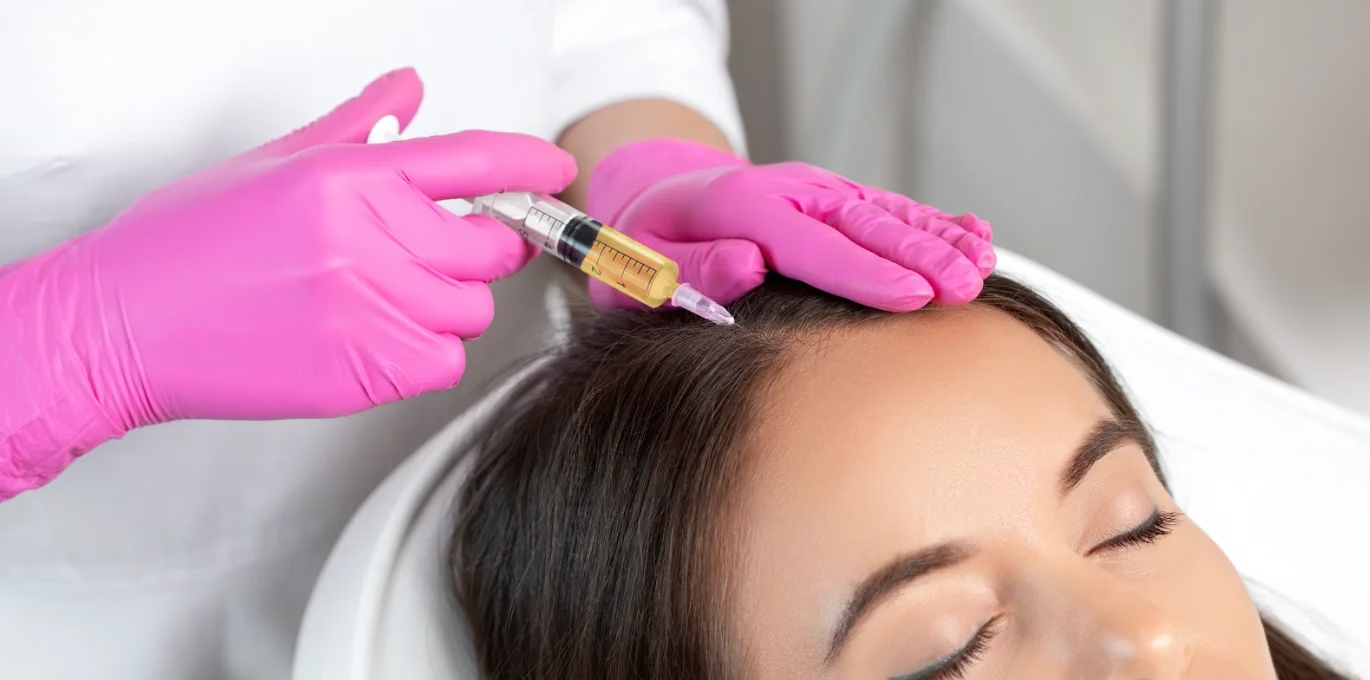
PRP may be worth considering if you want to improve skin texture, radiance or selected signs of ageing through a gradual treatment approach. The most important step is understanding what the treatment can realistically achieve for your skin.
At Aesta Aesthetics, located at 182 Airline Society, Main Boulevard, near UCP, Lahore, you can discuss your concerns, review suitable treatment options and develop a plan based on your skin’s needs.
Book a consultation with Aesta Aesthetics to discuss PRP for skin and hair and determine whether the treatment is suitable for you.
Reviewed by: Dr. Nasba Safdar, Aesta Aesthetics
Disclaimer: Results vary between individuals, and this article is for general educational purposes only. It is not a substitute for a professional consultation or individual medical advice.