
Most people considering PRP hair treatment are advised to start with 3 to 4 sessions, usually spaced 4 to 6 weeks apart. Maintenance sessions may be recommended every 3 to 6 months, depending on hair loss, response to treatment, and the clinician’s assessment. The ideal schedule varies by individual, and PRP does not work equally well for every cause of hair loss.
Introduction
Hair thinning can develop gradually, making it difficult to know when to seek treatment. You may notice a wider parting, reduced hair density, a receding hairline, or more hair falling out during washing and brushing. If these changes are affecting your confidence, you may be exploring options such as PRP for skin and hair.
Platelet-rich plasma (PRP) treatment uses a concentrated portion of your own blood that contains platelets and growth factors. In selected patients, PRP injections into the scalp may help support hair growth and improve hair density. However, results depend on the cause of hair loss, the condition of the hair follicles, and the treatment plan.
At Aesta Aesthetics in Lahore, understanding the recommended number of sessions starts with understanding your hair loss. You can visit the Aesta Aesthetics website to learn more about aesthetic treatments and arrange a consultation to discuss your concerns.
How Many PRP Sessions Are Needed for Hair Regrowth?
Most PRP hair treatment plans begin with 3 to 4 sessions, although some patients may need a different schedule based on their condition and response.
PRP is not usually a one-session treatment for hair thinning. The treatment is intended to support a gradual process, so clinicians generally assess progress over several months rather than judging results immediately after the first appointment.
A typical schedule may look like this:
- Initial treatment: 3 to 4 sessions.
- Spacing between sessions: Approximately 4 to 6 weeks.
- First assessment: Often around 3 months after treatment begins.
- Visible improvement: May develop over 3 to 6 months, although some people need longer.
- Maintenance: A session every 3 to 6 months may be considered if the treatment is helping.
These are general ranges, not a fixed prescription. A clinician may recommend a different schedule depending on the type and severity of hair loss.
Why Do You Need More Than One PRP Hair Treatment Session?
Multiple PRP sessions may be recommended because changes in hair growth take time, and one treatment may not provide sufficient or lasting improvement.
Hair follicles move through different growth phases. PRP is intended to influence the scalp environment and support follicle activity, but it cannot instantly produce new, fully grown hair.
Repeated sessions allow the clinician to assess your response over time and adjust the treatment plan when appropriate. Some patients notice reduced shedding before they notice a change in hair density. Others experience only modest improvement.
It is also important to understand that PRP does not restore every inactive or permanently damaged follicle. If hair loss is caused by an underlying medical condition, nutritional deficiency, or scarring alopecia, that cause may need specific treatment.
A personalised assessment helps determine whether PRP is a reasonable option or whether another approach should be considered.
What Is PRP Hair Treatment, and How Does It Work?
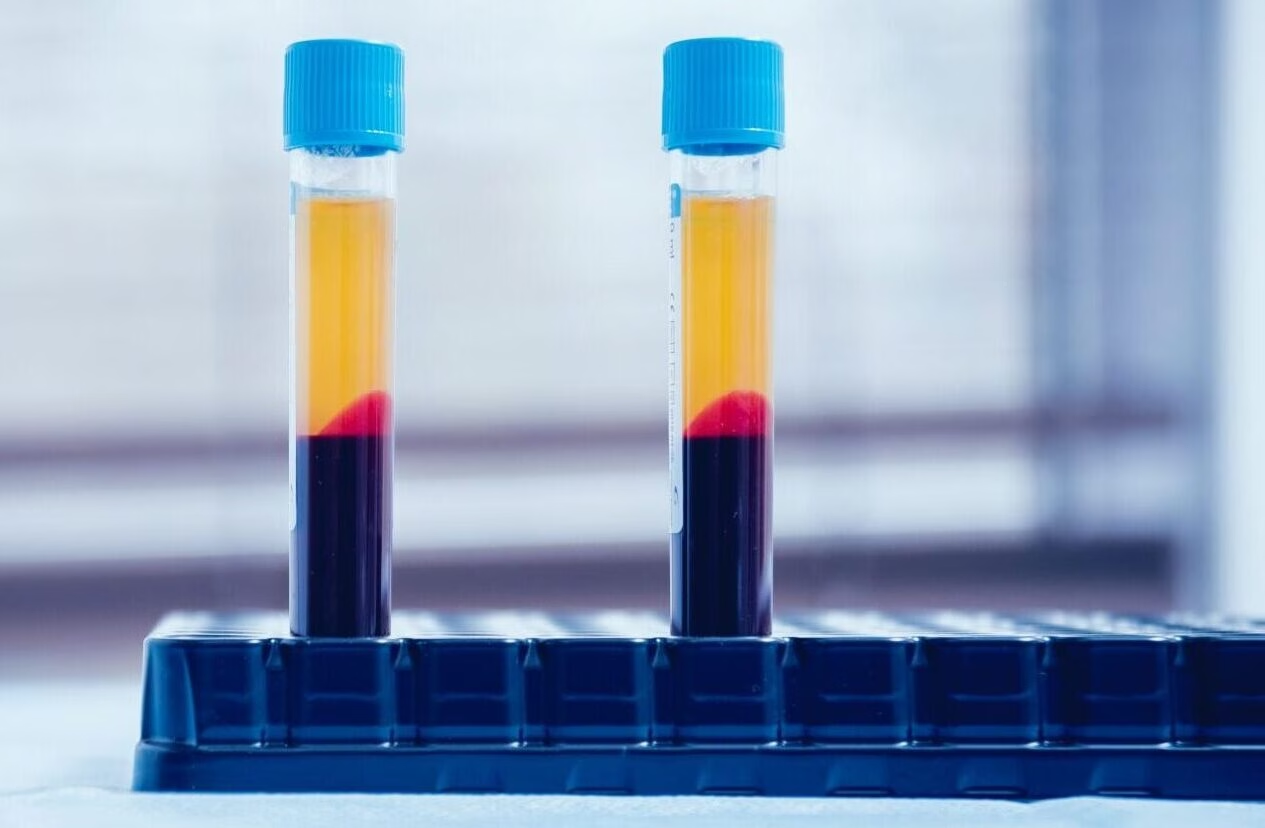
PRP hair treatment uses platelet-rich plasma prepared from a small sample of your own blood to support hair growth in selected patients.
The procedure generally involves three steps:
- Blood collection: A small amount of blood is drawn from your arm.
- PRP preparation: The blood is processed in a centrifuge to separate the platelet-rich plasma from other blood components.
- Scalp treatment: The prepared plasma is injected into areas of thinning hair using small needles.
Platelets contain growth factors involved in tissue repair and cellular activity. When concentrated and administered into the scalp, PRP may help support hair follicles and improve hair density.
The treatment is commonly considered for androgenetic alopecia, also known as male or female pattern hair loss. However, evidence and individual responses vary. PRP is not a universal solution for every type of hair loss.
If you are researching what is PRP treatment, remember that PRP can be used for different purposes. PRP for hair loss focuses on the scalp, while PRP skin treatment focuses on selected skin concerns, such as skin texture and overall appearance.
When Will You See Results After PRP Hair Treatment?
Initial changes may become noticeable within 3 months, while improvements in hair density can take approximately 3 to 6 months or longer.
Hair growth is gradual. The timeline depends on your baseline hair density, the cause of hair loss, the treatment protocol, and how your follicles respond.
Here is a general guide to what you might experience.
| Time after starting treatment | What you may notice |
|---|---|
| First 1–2 weeks | Temporary scalp tenderness, redness or swelling may occur after injections. |
| 1–3 months | Some patients notice reduced shedding. Visible regrowth may still be limited. |
| 3–6 months | Changes in hair density or thickness may become easier to assess. |
| 6–12 months | Continued improvement may occur in responsive patients, with further assessment guiding maintenance. |
These timeframes are estimates, not guarantees. Some patients respond earlier, while others experience limited improvement despite completing the initial sessions.
Taking consistent photographs before treatment and during follow-up can help you and your clinician assess changes more objectively.
What Factors Affect the Number of PRP Sessions You Need?
The number of PRP sessions depends on the type of hair loss, its severity, the condition of your follicles, and your response to treatment.
Several factors can influence your treatment plan:
- Cause of hair loss: Pattern hair loss may respond differently from hair shedding associated with illness, stress, hormonal changes or nutritional deficiencies.
- Duration of hair loss: Recently developing thinning may be more responsive than long-standing hair loss with extensive follicle damage.
- Existing hair density: Areas with miniaturised but active follicles may respond differently from completely bald areas.
- Overall health: Certain medical conditions and medications can affect hair growth or the suitability of PRP.
- Response to initial sessions: Follow-up assessments help determine whether to continue, modify or discontinue treatment.
Before starting PRP treatment in Lahore, discuss your medical history and any medications with a qualified clinician. Depending on your symptoms, an examination or blood tests may be appropriate to identify an underlying cause.
What Is the PRP Hair Treatment Success Rate?
There is no single reliable success rate that applies to every person receiving PRP hair treatment.
Clinical research suggests that PRP can improve hair density and reduce hair loss in some people with pattern hair loss. However, study results vary because researchers use different preparation methods, injection protocols, treatment intervals and outcome measurements.
Your results will also depend on whether PRP is appropriate for your specific condition.
A useful way to assess progress is to establish measurable goals before treatment. These may include:
- Reduced hair shedding.
- Improved density in thinning areas.
- Less visible scalp through the hair.
- Better coverage in selected areas.
PRP is generally more suitable for supporting existing hair follicles than for restoring hair in areas where follicles have been permanently destroyed. A clinician should explain realistic expectations before recommending a course of treatment.
What Are the Side Effects of PRP Hair Treatment?
PRP hair treatment commonly causes temporary discomfort around the injection sites, but complications are possible.
Because the treatment uses your own blood, it avoids the risks associated with donor blood. However, using your own blood does not make the procedure risk-free.
Possible PRP hair treatment side effects include:
- Tenderness or pain at the injection sites.
- Temporary redness and swelling.
- Mild bruising.
- Headache or scalp tightness.
- Temporary irritation or sensitivity.
Infection is an uncommon but important risk if proper sterile procedures are not followed.
Tell your clinician if you have a bleeding disorder, a platelet-related condition, an active scalp infection or any other medical concern. Your medications, including blood thinners, should also be reviewed before treatment. Do not stop prescribed medication without medical advice.
Follow the clinic’s aftercare instructions, and contact a healthcare professional if you develop increasing pain, spreading redness, fever or other concerning symptoms.
How Much Does PRP Hair Treatment Cost in Pakistan?
The PRP hair treatment cost in Pakistan varies by clinic, the preparation method, the clinician’s experience and the number of sessions required.
There is no single price that applies to every patient. A course of four sessions will naturally cost more than one session, and maintenance treatments may add to the long-term expense.
When comparing PRP hair treatment prices in Pakistan, ask each clinic to clarify:
- The cost of one session.
- Whether the initial consultation is included.
- How many sessions are being recommended.
- Whether follow-up assessments are included.
- The expected cost of maintenance sessions.
- What preparation and safety procedures are used.
A lower price does not necessarily indicate better value. The quality of assessment, appropriate patient selection and safe treatment practices matter.
For the current PRP treatment cost at Aesta Aesthetics, contact the clinic directly rather than relying on outdated online prices. A personalised consultation can help establish whether PRP is suitable and how many sessions may be reasonable for your needs.
Is PRP Treatment for Face the Same as PRP for Hair?
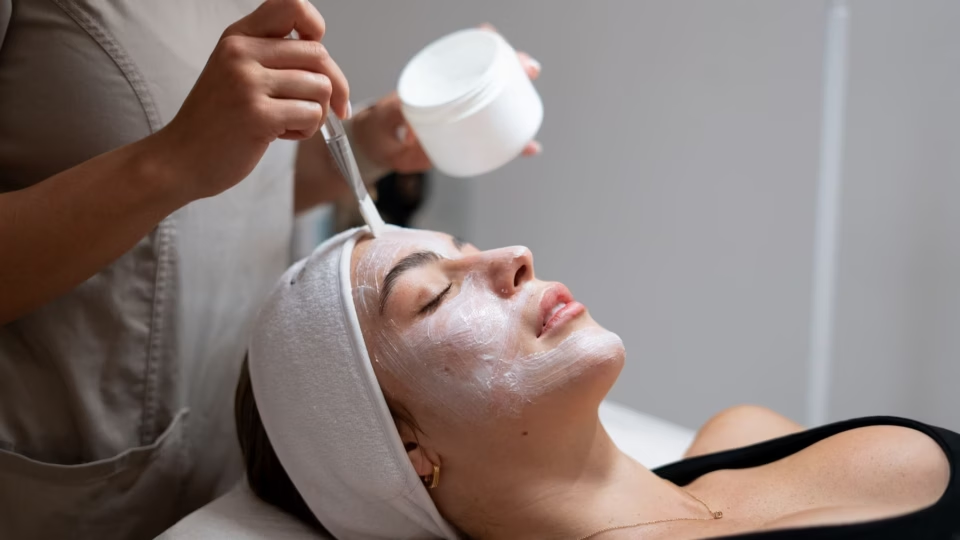
No. PRP treatment for the face and PRP hair treatment use platelet-rich plasma, but they target different concerns and treatment areas.
PRP for hair is administered into selected areas of the scalp to support hair growth. Facial PRP is used in selected skin treatments to support skin quality and improve the appearance of texture.
| Feature | PRP hair treatment | PRP skin treatment |
|---|---|---|
| Main treatment area | Scalp | Face or selected skin areas |
| Primary goal | Support hair density and reduce hair loss in suitable patients | Support skin quality and improve the appearance of texture |
| Treatment method | Injections into areas of thinning hair | Injections or application alongside microneedling, depending on the protocol |
| Number of sessions | Often 3–4 initial sessions | Varies by skin concern and treatment plan |
| Expected results | Gradual changes over several months | Gradual changes that vary by individual and treatment method |
PRP treatment for face benefits may include improvements in the appearance of skin texture and overall skin quality, although results are variable and evidence differs by indication and technique.
If you are considering PRP treatment for face, ask about the method being used, expected outcomes and the PRP treatment for face price. Facial PRP and scalp PRP require separate assessments, and the cost of one should not be assumed to match the other.
How Can You Choose a PRP Hair Treatment Clinic in Lahore?
Choose a clinic that assesses the cause of your hair loss, explains realistic outcomes and follows appropriate safety procedures.
If you are searching for the best PRP hair treatment in Lahore, avoid choosing a provider based only on promotional claims or advertised prices.
Before booking, consider these points:
- Proper assessment: The clinician should examine your scalp and review your hair loss history.
- Clear treatment plan: You should understand the proposed number of sessions, spacing and maintenance requirements.
- Safe preparation: Blood collection, PRP processing and injections should follow appropriate hygiene and sterile procedures.
- Honest expectations: The clinic should explain the limits of PRP and discuss alternative treatments when appropriate.
- Follow-up care: Progress should be reviewed rather than assuming that every patient will respond in the same way.
At Aesta Aesthetics, Lahore, you can arrange a consultation to discuss your hair concerns and learn whether PRP is an appropriate option for you. Visit the Aesta Aesthetics website to find out more about the clinic.
Frequently Asked Questions About PRP for Hair Regrowth
Can I see hair regrowth after one PRP session?
Some patients may notice early changes after one session, but a single treatment is generally not enough to assess the full response. PRP hair treatment commonly begins with a series of sessions, followed by an evaluation of progress.
Is PRP hair treatment permanent?

No. PRP results are not considered permanent. Hair loss may continue because of genetics, hormonal factors or other underlying causes. Maintenance sessions may be recommended if you respond well to treatment.
Can PRP regrow hair on a completely bald scalp?
PRP is unlikely to restore hair in areas where follicles have been permanently destroyed. It is generally considered for selected patients with thinning hair and follicles that may still respond to treatment.
Can PRP hair treatment be combined with other hair loss treatments?
Yes. Depending on the diagnosis, a clinician may recommend PRP alongside established treatments such as minoxidil or other appropriate therapies. The combination should be based on your medical history and individual needs.
How should I prepare for a PRP hair treatment appointment?
Tell your clinician about your medical conditions, medications, allergies and previous hair loss treatments. Follow the clinic’s instructions about washing your hair, eating before the appointment and any medication-related precautions. Do not stop prescribed medicines unless your healthcare professional advises you to do so.
Does PRP hair treatment cost more if I need additional sessions?
Yes. If your treatment plan requires more sessions than initially expected, the overall cost will usually increase. Ask for the per-session price and estimated total cost before starting.
Reviewed by Dr. Nasba Safdar, Aesta Aesthetics
Disclaimer: Results vary by individual. This article provides general educational information and is not a substitute for a professional consultation or personalised medical advice.
Book a PRP Hair Consultation in Lahore
Concerned about thinning hair or increased shedding? Book a consultation with Aesta Aesthetics in Lahore to discuss the cause of your hair loss, whether PRP is suitable for you, and how many sessions your treatment plan may require.
Visit aestaaesthetics.com to get started.