
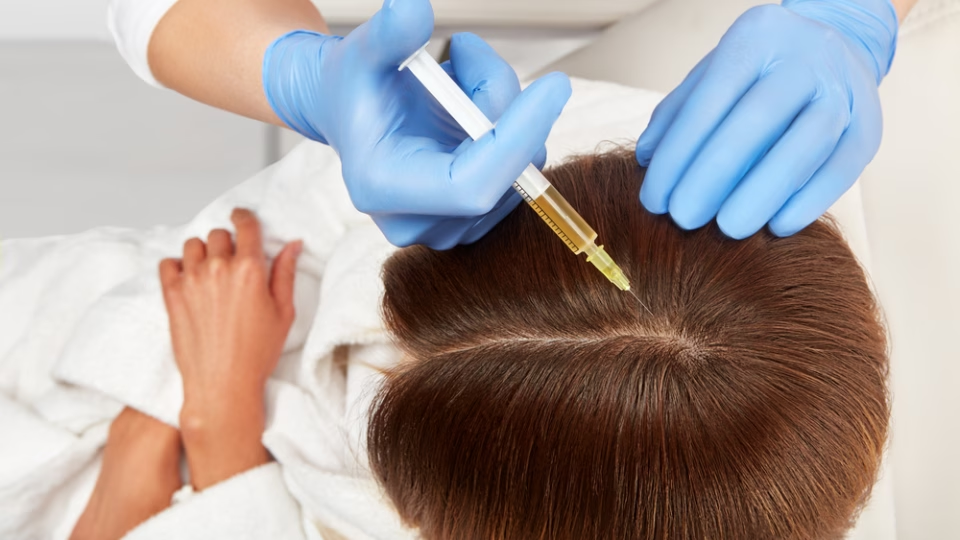
PRP hair treatment uses platelet-rich plasma prepared from a small sample of your own blood. A practitioner injects the concentrated plasma into selected areas of the scalp to support hair growth. PRP may help some people with early hair thinning, but results depend on the cause of hair loss, treatment plan, and individual response.
Hair thinning can affect your confidence, especially when your scalp becomes more visible or your hairline starts to change. If you are looking for PRP hair treatment in Lahore, a professional assessment can help you understand whether this treatment suits your needs.
At Aesta Aesthetics, patients can discuss PRP for skin and hair and learn how platelet-rich plasma may support hair restoration or selected skin concerns. The right treatment plan depends on your goals, medical history, and the cause of your symptoms.
Before booking, it helps to understand how PRP works, how many sessions you may need, what it costs, and what results you can realistically expect.
What Is PRP Hair Treatment?
PRP hair treatment is a procedure that uses platelet-rich plasma from your own blood to support hair growth in selected patients.
The process begins with a blood sample. The sample is processed in a centrifuge to separate the plasma containing a concentrated number of platelets. A trained practitioner then injects the prepared plasma into targeted areas of the scalp.
Platelets contain growth factors involved in the body’s natural repair processes. Researchers have studied their potential role in supporting hair follicles, although treatment outcomes vary.
PRP may be considered for people experiencing certain types of hair thinning, particularly androgenetic alopecia, also known as pattern hair loss. It is not suitable for every cause of hair loss.
A consultation can help determine whether PRP is appropriate or whether another treatment or medical assessment is needed.
How Can PRP for Skin and Hair Help You?
PRP has applications in both hair restoration and selected skin treatments, but the treatment method and expected outcomes differ.
For hair, PRP is injected into targeted areas of the scalp. The aim is to support hair density and reduce the appearance of thinning in suitable patients.
For skin, PRP may be used as part of a treatment plan intended to support skin texture and appearance. The method depends on the concern being treated and the practitioner’s assessment.
| Treatment | Main purpose | What to expect |
|---|---|---|
| PRP hair treatment | Support hair growth in selected types of hair loss | Gradual changes in hair density may occur |
| PRP skin treatment | Support selected skin-rejuvenation goals | Improvements in texture or appearance may occur |
| PRP treatment for face | Address selected facial skin concerns | Results depend on the technique and treatment plan |
PRP is not a guaranteed solution for baldness, advanced follicle loss, or every skin concern. Your practitioner should explain the likely benefits and limitations before treatment.
Who Is a Suitable Candidate for PRP Treatment for Hair Loss?
PRP treatment for hair loss may suit people with early or moderate hair thinning when the hair follicles remain capable of producing hair.
A practitioner may consider PRP if you have:
- Gradual thinning associated with pattern hair loss.
- Reduced hair density in selected areas of the scalp.
- Early changes in hair thickness or coverage.
- A preference for a treatment that uses material obtained from your own blood.
However, sudden hair loss, patchy bald spots, scalp inflammation, or unexplained shedding may require medical investigation first. Conditions such as nutritional deficiencies, thyroid problems, hormonal changes, and certain medications can contribute to hair loss.
PRP may have limited benefit when follicles have been permanently lost or when the underlying cause remains untreated.
During your consultation at Aesta Aesthetics, discuss when your hair loss began, any family history of pattern baldness, current medication, and previous treatments. These details help guide a suitable plan.
How Many PRP Hair Treatment Sessions Do You Need?
Many PRP hair treatment plans begin with a series of sessions, often spaced about four to six weeks apart. The exact schedule depends on the practitioner’s assessment, the severity of thinning, and the protocol used.
Some patients may need around three initial sessions before their progress is reviewed. Others may require a different schedule or maintenance sessions.
Hair growth takes time, so immediate changes should not be expected. A practitioner may recommend progress photographs to compare hair density over several months under consistent lighting and angles.
Your treatment plan should specify:
- The recommended number of initial sessions.
- The interval between appointments.
- When progress will be reviewed.
- Whether maintenance treatment may be appropriate.
- How PRP fits with other hair-loss treatments.
Follow-up assessments are important because PRP does not work equally well for everyone.
What Is the PRP Hair Treatment Success Rate?
There is no single success rate that accurately predicts how every patient will respond to PRP hair treatment.
Clinical research suggests that PRP may improve hair density in some people with pattern hair loss. However, studies use different preparation methods, injection protocols, treatment schedules, and outcome measures. This makes it difficult to provide one reliable percentage for all patients.
Your response may depend on the cause and duration of hair loss, the condition of your follicles, your overall health, and consistency with the recommended plan.
PRP may support existing hair follicles, but it cannot guarantee new growth in areas where follicles are no longer functional. It may also be less effective when hair loss results from an untreated medical condition.
Ask your practitioner what improvement is realistic in your particular case and how progress will be measured.
What Are the Side Effects of PRP Hair Treatment?
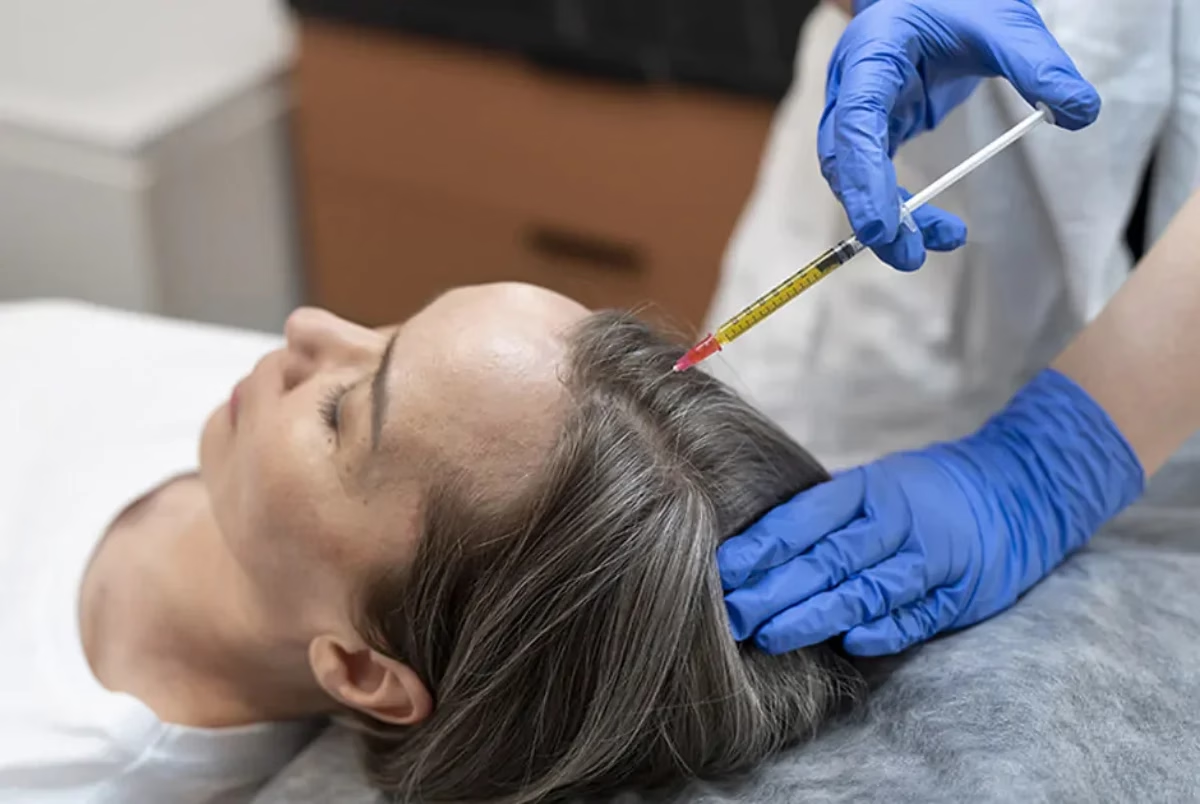
PRP hair treatment side effects are usually related to the blood draw and injections. Temporary discomfort or scalp tenderness can occur, although the experience differs between patients.
Possible side effects include:
- Redness or tenderness at injection sites.
- Mild swelling or bruising.
- Temporary scalp discomfort.
- Headache or a feeling of pressure.
- Dizziness during or after the blood draw.
- Infection or other complications, which are less common but possible.
Because PRP is prepared from your own blood, allergic reactions to the plasma itself are less likely than with some externally administered substances. However, using your own blood does not make the procedure risk-free.
Tell your practitioner about bleeding disorders, low platelet counts, active infections, medical conditions, and medicines that may affect bleeding. Do not stop prescribed medication without advice from the clinician who manages it.
Proper hygiene, sterile equipment, and trained administration are essential. Contact your provider if you experience worsening pain, increasing redness, fever, or other concerning symptoms after treatment.
How Much Does PRP Hair Treatment Cost in Lahore?
The PRP hair treatment cost in Lahore depends on the clinic, treatment protocol, preparation system, number of sessions, and whether follow-up appointments are included.
There is no single price that applies to every patient. The total cost also matters more than the price of one session when a course of treatment is recommended.
Before booking, ask the clinic to clarify:
- The price of one PRP session.
- The estimated cost of the complete initial course.
- Whether consultation and follow-up visits are charged separately.
- Which preparation method and disposable supplies are included.
- Whether maintenance sessions may be recommended later.
The same factors affect the PRP hair treatment price in Pakistan, so comparing clinics only by their advertised starting price may not give you a complete picture.
Aesta Aesthetics can discuss your concerns and the treatment options available during a consultation. Confirm the current price directly with the clinic before making a booking.
Is PRP Better Than Other Hair-Loss Treatments?
PRP is one option for managing selected types of hair loss. It is not automatically better than medication or other treatments.
The most suitable option depends on the diagnosis, medical history, treatment goals, and the time and cost you can commit to.
| Option | Potential role | Important consideration |
|---|---|---|
| PRP | May support hair density in selected patients | Usually involves a series of clinic appointments |
| Minoxidil | Can help manage certain types of pattern hair loss | Requires consistent use and may cause side effects |
| Prescription medication | May slow certain forms of pattern hair loss | Suitability, risks, and monitoring depend on the medicine |
| Hair transplant | Moves hair follicles into selected areas | Requires surgical assessment and recovery |
| Treating an underlying cause | Addresses a contributor such as a nutritional or hormonal problem | Treatment depends on identifying the cause |
Some patients may use PRP alongside another treatment under professional guidance. Others may benefit more from a different approach.
Do not begin, stop, or combine hair-loss treatments without discussing the plan with a qualified healthcare professional.
How Can You Book PRP Treatment in Lahore?
To book PRP treatment in Lahore, start by arranging a consultation to discuss your hair loss, suitability, expected results, and costs.
A practical booking process includes:
- Describe your concern. Explain where you have noticed thinning and how long it has been happening.
- Discuss your medical history. Share relevant health conditions, medicines, allergies, and previous treatments.
- Review your options. Ask whether PRP is appropriate and whether additional tests or other treatments may be needed.
- Confirm the treatment plan. Understand the proposed sessions, aftercare, review schedule, and total estimated cost.
- Book your appointment. Proceed once you understand the benefits, limitations, and possible side effects.
Visit Aesta Aesthetics to contact the clinic and ask about PRP hair treatment availability in Lahore. Confirm the service details and current booking arrangements directly with the clinic.
Frequently Asked Questions About PRP Hair Treatment
Is PRP hair treatment painful?
PRP involves injections into the scalp, so some discomfort is possible. The level of discomfort varies with individual sensitivity, injection technique, and the treatment area. Ask your practitioner about suitable comfort measures before the procedure.
When will I see results from PRP hair treatment?
Results are gradual. Some patients may notice changes over three to six months, but this is not guaranteed. Hair growth cycles, the cause of hair loss, and the treatment protocol affect the timeline.
Can PRP completely restore lost hair?
No. PRP cannot guarantee complete hair restoration. It may help improve hair density in selected patients, but results depend on the condition of the follicles and the cause of hair loss.
Can women receive PRP hair treatment?
Yes. Women may be candidates for PRP when they have certain forms of hair thinning. A proper assessment is important because female hair loss can have several causes that require different treatments.
Can PRP hair treatment be combined with minoxidil?
It may be possible to combine PRP with minoxidil for some types of hair loss. The decision should be made with a qualified practitioner who can assess your diagnosis, medication history, and treatment goals.
What is the difference between PRP for hair and PRP for the face?
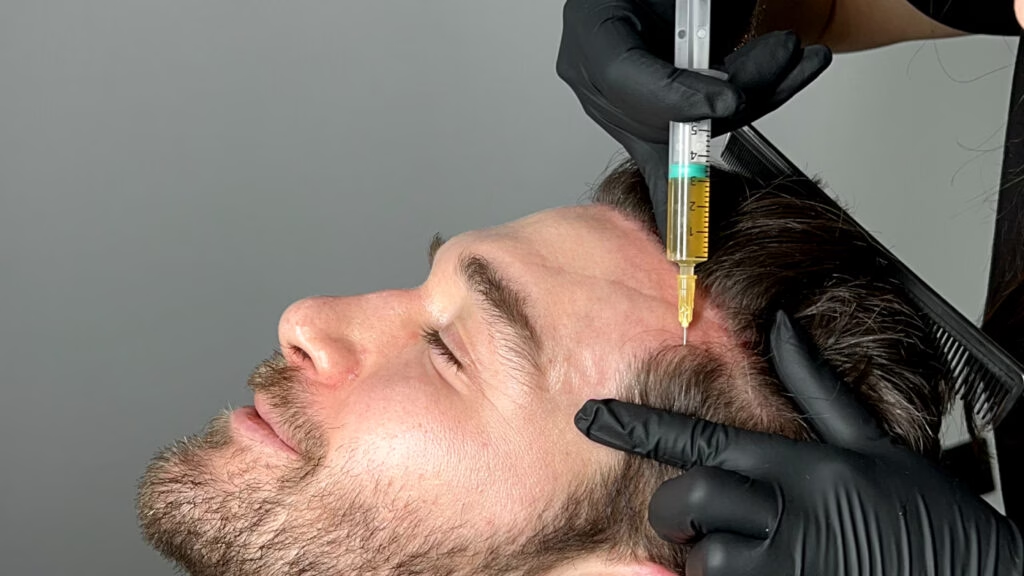
PRP for hair involves injections into selected scalp areas to support hair growth. PRP for the face is used for different skin-related goals, such as improving the appearance of skin texture. The preparation, technique, and treatment plan may differ.
Reviewed by Dr. Nasba Safdar, Aesta Aesthetics
Disclaimer: Results vary by individual, and this information is not a substitute for a professional consultation, diagnosis, or personalized treatment advice.
Book Your PRP Hair Treatment Consultation in Lahore
Concerned about thinning hair? Contact Aesta Aesthetics to discuss whether PRP hair treatment is suitable for you. Ask about available appointments, the recommended treatment plan, and current session prices before booking.
Visit aestaaesthetics.com to get in touch with the clinic.