
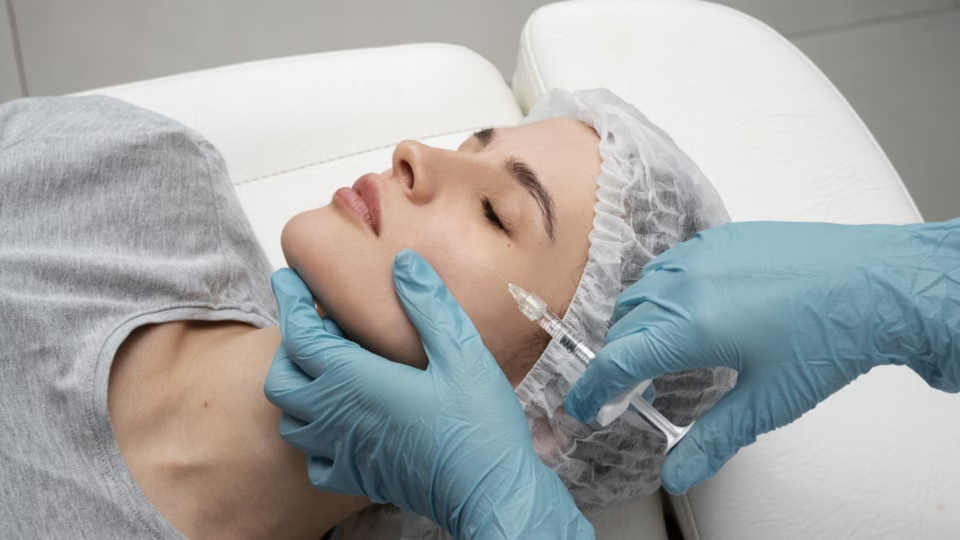
PRP for skin and hair is generally considered safe when performed by a qualified medical professional using sterile equipment and appropriate techniques. Common side effects include temporary redness, swelling, tenderness, bruising, and discomfort. Infection and other complications are less common but possible. A consultation helps determine whether PRP is suitable for your skin or hair concerns.
PRP, or platelet-rich plasma, is used in aesthetic treatments to support skin quality and hair growth. It involves collecting a small blood sample, processing it to concentrate platelets, and applying the prepared plasma to the treatment area.
Although PRP uses a component of your own blood, that does not make every procedure automatically safe. The practitioner’s experience, sterile technique, preparation method, and your medical history all influence the risk.
At Aesta Aesthetics in Lahore, understanding the potential benefits and limitations of a treatment is an important part of making an informed decision. If you are considering PRP treatment for skin and hair, it helps to know which side effects are expected, which symptoms require medical attention, and how to prepare for treatment.
What Is PRP Treatment, and How Does It Work?
PRP treatment uses platelet-rich plasma prepared from a person’s own blood. Platelets contain growth factors involved in the body’s natural repair processes.
The procedure usually involves three steps:
- Blood collection: A small amount of blood is drawn from your arm.
- Centrifugation: The blood is processed in a centrifuge to separate its components and concentrate the platelets.
- Application: The prepared PRP is applied or injected into the intended treatment area, depending on the procedure.
The technique varies according to whether the treatment targets the scalp or face.
A PRP hair treatment aims to support hair follicles and may help selected patients with certain types of hair loss. A PRP skin treatment for the face may be used to improve aspects of skin texture and appearance.
Neither treatment works equally well for everyone. The cause of hair loss, the condition of the hair follicles, skin concerns, and individual health factors all affect suitability and results.
What Are the Common PRP Treatment Side Effects?
The most common PRP treatment side effects are temporary pain, tenderness, redness, swelling, and bruising around the treated area. These reactions usually improve within a few days, although recovery varies with the treatment technique and individual response.
American Academy of Dermatology
+1
Knowing what is normal after treatment can help you manage recovery without unnecessary worry.
| Side effect | What you may notice | What to expect |
|---|---|---|
| Redness | Pink or red skin around the treated area | Usually settles over a few days |
| Swelling | Mild puffiness around injection sites | Often improves within several days |
| Tenderness or pain | Soreness at the injection sites or scalp | Usually temporary |
| Bruising | Small blue, purple, or yellow marks | May take several days or longer to fade |
| Minor bleeding | Small spots of blood at injection points | Should stop with appropriate pressure |
| Temporary irritation | Sensitivity or a tight feeling in the skin | Usually improves as the area recovers |
These are general expectations, not guaranteed recovery times. Facial treatments involving microneedling may cause different reactions from injections into the scalp.
Which PRP Hair Treatment Side Effects Should You Know About?
PRP hair treatment side effects commonly include scalp tenderness, mild swelling, pinpoint bleeding, and temporary discomfort during or after injections.
The scalp contains many sensitive structures, so some soreness is expected. You may also notice small marks at the injection sites. These should gradually settle rather than become increasingly painful or inflamed.
Less common complications include infection, prolonged bleeding, and injury to nearby tissues or nerves. The risk of infection increases if blood collection, processing, or injections are performed without proper sterile precautions.
dermatological applications
+1
Contact your treating practitioner if you experience:
- Increasing redness, warmth, or swelling.
- Pain that becomes more severe instead of improving.
- Pus or unusual discharge from an injection site.
- Fever or chills.
- Persistent bleeding.
Seek urgent medical attention for severe or rapidly worsening symptoms, including sudden vision changes after facial treatment.
A safe PRP hair treatment starts with identifying the cause of hair loss, reviewing your medical history, and using proper clinical procedures. PRP may help selected patients, but it is not suitable for every type of hair loss.
What Are the Risks of PRP Treatment for the Face?
PRP treatment for the face can cause temporary redness, swelling, bruising, and tenderness, particularly when the procedure involves injections or microneedling.
A PRP skin treatment may be considered for concerns such as uneven skin texture, fine lines, and overall skin appearance. However, the level of improvement varies, and evidence for some cosmetic uses remains limited.
Potential risks include:
- Infection: Contamination during blood handling or treatment can introduce harmful microorganisms.
- Skin irritation: The treated area may remain sensitive or inflamed for longer than expected.
- Bruising and swelling: These can be more noticeable in delicate facial areas.
- Uneven results: Changes in skin texture or appearance may not be uniform.
- Technique-related complications: Inappropriate injection technique can damage nearby structures.
PRP prepared from your own blood has a lower risk of an allergic reaction to the plasma itself than many treatments containing foreign substances. However, other products used during the procedure can cause reactions, and using your own blood does not eliminate the risk of infection
American Academy of Dermatology
+1
If you are considering PRP treatment for the face, ask your practitioner which technique will be used, what recovery involves, and whether the procedure is appropriate for your particular skin concern.
Who Should Avoid PRP Treatment or Get Medical Clearance First?
PRP may be unsuitable for people with certain blood disorders, active infections, or medical conditions that affect platelet function or healing.
Your medical history matters because PRP relies on collecting and processing blood before applying it to the treatment area. A practitioner should assess your suitability rather than assuming the procedure is appropriate for everyone.
Tell your practitioner if you have any of the following:
- A low platelet count or a known blood-clotting disorder.
- An active infection or fever.
- Significant liver disease or another condition affecting blood function.
- A history of blood-related cancers or certain other cancers.
- A condition requiring anticoagulant medication.
- An active skin infection, open wound, or skin cancer in the proposed treatment area.
- A tendency to faint during blood collection.
Some of these conditions may mean PRP should be avoided, while others require individual assessment. Do not stop prescribed blood thinners or other medication on your own to prepare for treatment.
American Academy of Dermatology
+1
If you have unexplained hair loss, a dermatologist may also recommend an examination or blood tests before discussing PRP. Treating the underlying cause is often essential for an effective plan.
How Can You Reduce the Risks of PRP for Skin and Hair?
You can reduce the risks of PRP for skin and hair by choosing a qualified medical practitioner, confirming that sterile equipment is used, sharing your complete medical history, and following your aftercare instructions.
Use this checklist before booking your PRP treatment in Lahore.
- Choose a qualified practitioner. Ask about their training and experience with PRP for your specific concern.
- Check hygiene standards. Blood collection, processing, and application should follow appropriate infection-control procedures.
- Discuss medications and medical conditions. Mention supplements, blood thinners, allergies, and any history of bleeding problems.
- Understand the procedure. Ask whether PRP will be injected, applied with microneedling, or used with another treatment.
- Follow aftercare advice. Avoid unnecessary irritation and follow the recommended instructions for cleansing, exercise, and hair washing.
- Know when to seek help. Make sure you know how to contact the clinic if your symptoms worsen.
Lahore’s heat and dust can make it particularly important to protect recently treated skin from irritation and contamination. After facial PRP, follow your practitioner’s guidance on sun protection and when to resume your usual skincare products.
For scalp PRP, follow the specific advice you receive about shampooing, exercise, and hair products. Recommendations can differ depending on the injection technique and your individual recovery.
Is PRP for Skin and Hair Worth It Despite the Side Effects?
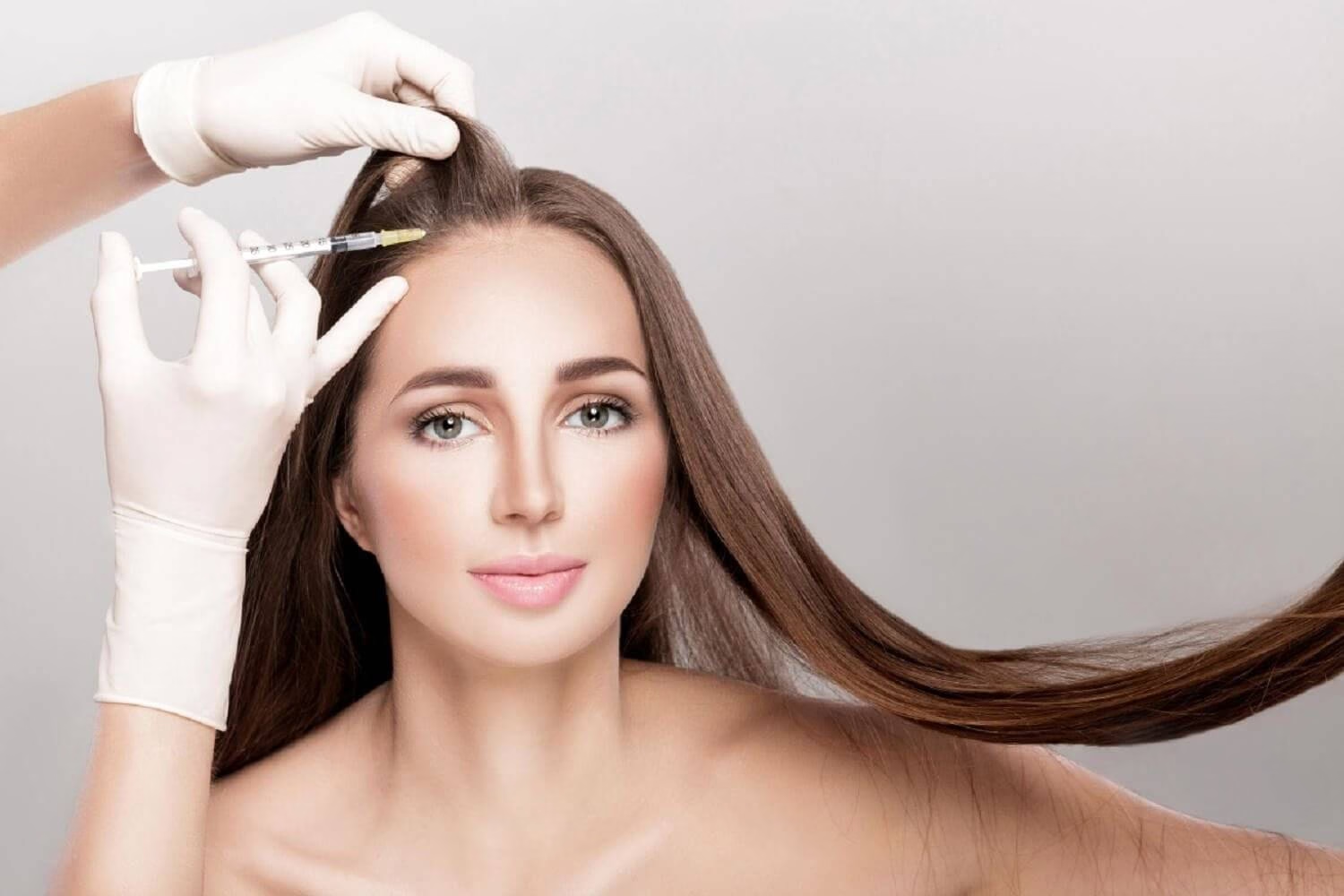
PRP may be worth considering when the potential benefits match your concerns and you understand the limitations, costs, and need for follow-up sessions.
For hair loss, research suggests that PRP can improve hair density in some patients, particularly those with certain forms of pattern hair loss. However, study results vary, and the evidence is not equally strong for every diagnosis.
PubMed
+1
For facial rejuvenation, some patients experience improvements in skin texture and appearance, but results are less predictable than many people expect. PRP should not be presented as a guaranteed solution for wrinkles, pigmentation, acne scars, or other skin conditions.
The following comparison can help you decide which questions to ask at your consultation.
| Factor | PRP Hair Treatment | PRP Skin Treatment |
|---|---|---|
| Main purpose | Support hair growth and hair density in suitable patients | Improve selected aspects of skin appearance |
| Common side effects | Scalp tenderness, swelling, bruising | Redness, swelling, tenderness, bruising |
| When results may appear | Over several months | Over several weeks to months |
| Treatment plan | Often involves multiple sessions | Depends on skin concerns and treatment technique |
| Main limitation | Results depend on the cause and stage of hair loss | Cosmetic improvements are variable and not guaranteed |
These timelines are general estimates, not promises. Your practitioner should explain the expected treatment course for your particular condition.
What About PRP Hair Treatment Success Rate?
There is no single PRP hair treatment success rate that applies to every patient. Outcomes depend on the type of hair loss, its severity, the treatment protocol, and how success is measured.
Some patients experience reduced shedding or improved hair density, while others see little change. PRP is generally more useful when viable hair follicles remain than when an area has extensive permanent scarring or no functioning follicles.
Ask your practitioner how progress will be measured and when the treatment plan should be reviewed. Standardised photographs and follow-up examinations can help assess changes more objectively.
How Much Does PRP Treatment Cost in Lahore?
The PRP treatment cost in Lahore varies according to the clinic, practitioner, treatment area, preparation method, and number of sessions required.
The PRP hair treatment cost may differ from the price of PRP treatment for the face because the procedure and treatment plan can vary. Your total cost may also depend on whether additional procedures are recommended.
Rather than relying on a single advertised price, ask for a written breakdown covering:
- The cost per session.
- The recommended number of sessions.
- Whether follow-up assessments are included.
- Whether additional treatments or products cost extra.
If you are comparing the PRP hair treatment price in Pakistan or looking for a PRP treatment for face price, confirm that the quoted services are comparable. A lower price alone does not establish clinical quality or safety.
Aesta Aesthetics can discuss your concerns, assess your suitability, and explain the treatment options and applicable pricing during a consultation.
Frequently Asked Questions About PRP Safety
Can PRP cause permanent damage to the skin or scalp?
Permanent complications are not typical, but serious complications can occur. Infection, tissue injury, and other technique-related problems are possible. Prompt medical assessment is important if you develop severe pain, worsening inflammation, or other unusual symptoms.
Can PRP cause more hair loss?
Temporary shedding may occur for different reasons, including the underlying hair-loss condition. It should not automatically be attributed to PRP. If shedding increases significantly or persists, consult a dermatologist to identify the cause.
Is PRP safe for sensitive skin?
Sensitive skin does not automatically rule out PRP, but the cause of the sensitivity matters. Active inflammation, infection, or certain skin conditions may require treatment first. Your practitioner should assess your skin before recommending a procedure.
How long do PRP side effects last?
Mild redness, swelling, tenderness, and bruising often improve within a few days. Some bruises or areas of sensitivity may take longer to settle. Persistent or worsening symptoms should be assessed by a medical professional.
Can I return to work after PRP treatment?
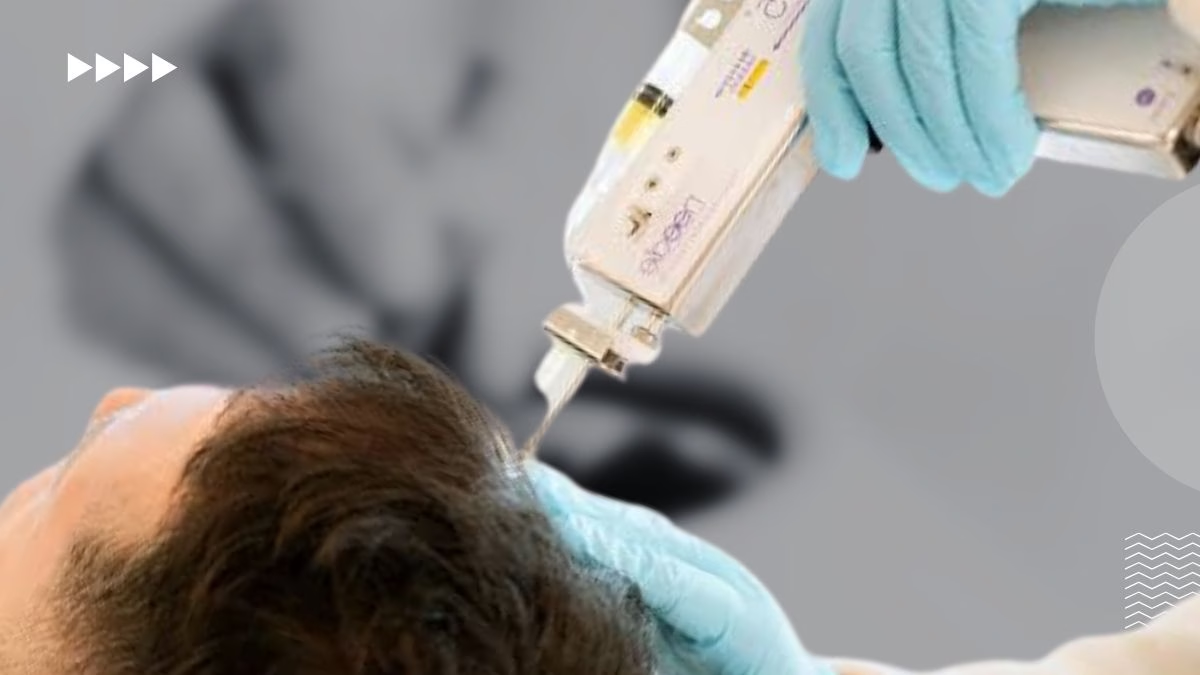
Many patients return to routine activities the same day or the following day. However, visible redness, swelling, or bruising may affect your plans, especially after facial treatment. Arrange your schedule according to your practitioner’s advice and your expected recovery.
Is PRP better than other treatments for hair loss?
Not necessarily. The best treatment depends on the diagnosis, medical history, and treatment goals. Options such as topical minoxidil, prescription medication, or hair transplantation may be appropriate for certain patients. A dermatologist can explain which options are supported for your specific type of hair loss.
Final Thoughts
PRP for skin and hair can be a useful option for selected patients, but it is not risk-free. Temporary soreness, swelling, redness, and bruising are the most common side effects. Infection and other complications are less common but require attention.
The safest approach is to understand your treatment options, disclose your medical history, and choose a qualified practitioner who follows proper sterile procedures.
Reviewed by Dr. Nasba Safdar, Aesta Aesthetics
Disclaimer: Results and recovery vary by individual. This article is for general educational purposes and is not a substitute for a personalised medical consultation.
Book a PRP Consultation at Aesta Aesthetics
Considering PRP for hair loss or skin rejuvenation? Contact Aesta Aesthetics in Lahore to discuss your concerns, suitability, potential side effects, and treatment costs before making a decision.