
PRP for skin and hair is generally considered safe when performed by a qualified medical professional using sterile equipment and properly prepared platelet-rich plasma. Common side effects include temporary redness, swelling, tenderness, bruising, and discomfort. Infection and other serious complications are uncommon but possible. A medical consultation helps determine whether PRP is suitable for you.
PRP for skin and hair uses a concentrated portion of a patient’s own blood to support selected skin and hair treatments. It is commonly considered for concerns such as early hair thinning, reduced hair density, uneven skin texture, and signs of skin ageing.
Although PRP uses your own blood, that does not make every procedure automatically safe. The preparation method, injection technique, hygiene standards, and your medical history all influence the risks.
At Aesta Aesthetics in Lahore, understanding the possible benefits and limitations of a treatment is an important part of making an informed decision. Before choosing PRP, it helps to know what the procedure involves, which side effects are normal, and when medical attention may be necessary.
What Is PRP Treatment, and How Does It Work?
PRP treatment stands for platelet-rich plasma treatment. It involves collecting a small blood sample, processing it to concentrate platelets, and using the prepared plasma for a specific treatment.
Platelets contain growth factors involved in the body’s natural healing processes. In aesthetic medicine, PRP is used with the aim of supporting hair growth or improving selected aspects of skin quality.
The procedure generally involves three steps:
- Blood collection: A healthcare professional draws a small amount of blood from your arm.
- Plasma preparation: The sample is processed in a centrifuge to separate its components and concentrate the platelets.
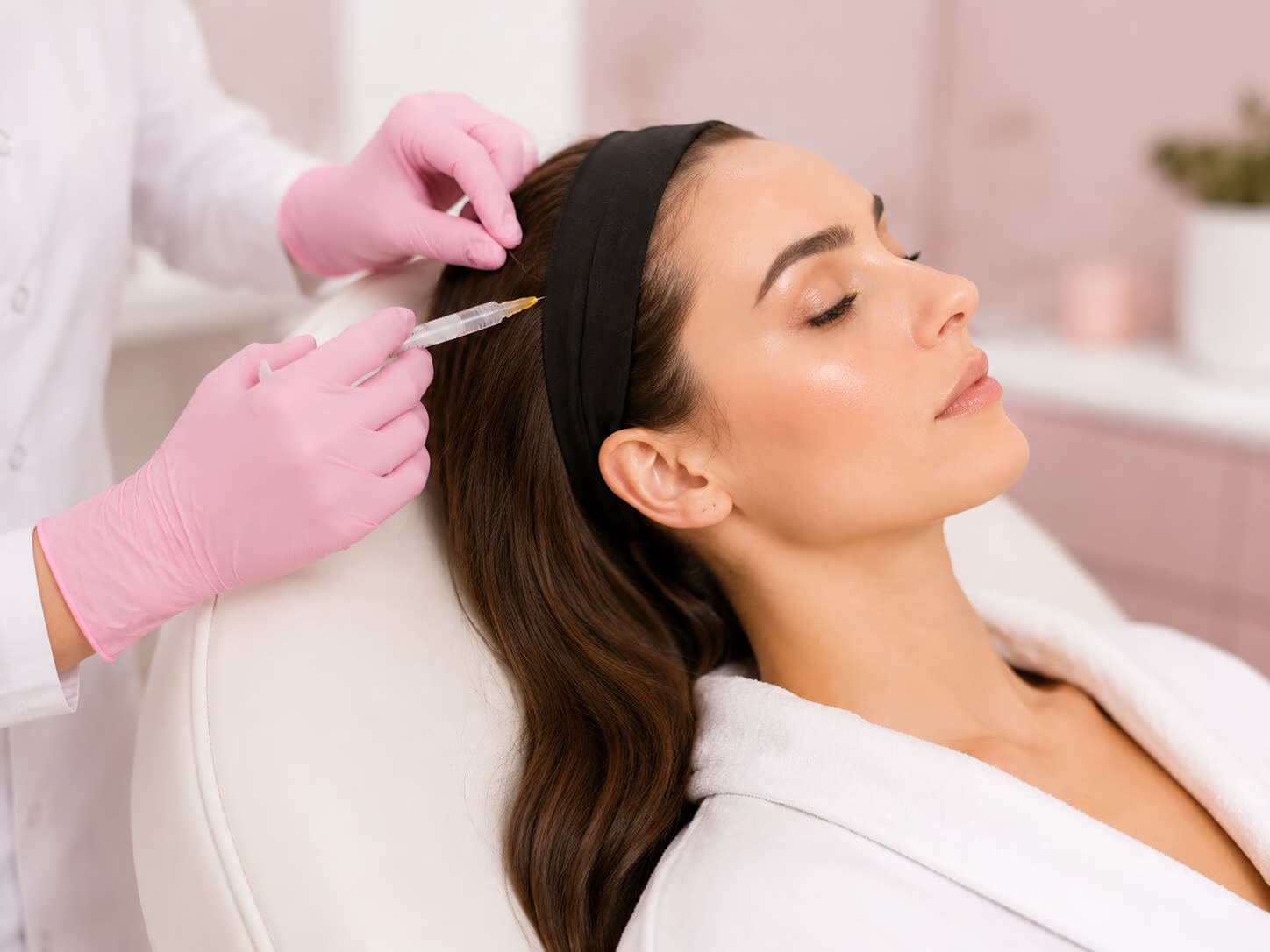
- Treatment: The prepared PRP is applied or injected into the intended area, depending on the treatment plan.
PRP is not the same as a conventional medication or a dermal filler. It uses a component of your own blood, and the results depend on factors such as the treatment area, preparation protocol, and individual response.
You can explore the available aesthetic treatments at Aesta Aesthetics to learn more about treatment options in Lahore.
What Are the Common PRP Treatment Side Effects?
The most common PRP treatment side effects are temporary reactions around the area where the blood was drawn or the treatment was performed.
Because PRP often involves injections, some discomfort and local inflammation are expected. The severity varies from person to person.
| Side effect | What you may notice | Typical course |
|---|---|---|
| Redness | Pink or red skin around injection sites | Often improves within hours to a few days |
| Swelling | Mild puffiness or tenderness | Usually settles within a few days |
| Bruising | Small blue, purple, or yellow marks | May take several days to 1–2 weeks to fade |
| Pain or tenderness | Soreness at injection sites or the blood-draw area | Commonly improves over a few days |
| Small pinpoint marks | Tiny marks where needles entered the skin | Usually settle within a short period |
| Temporary scalp sensitivity | Tenderness or discomfort after PRP hair treatment | Often improves within a few days |
These are general recovery ranges, not guarantees. Reactions can last longer depending on the treatment area, the technique used, and individual healing.
Contact your healthcare professional if symptoms worsen instead of improving. Increasing redness, spreading warmth, pus, fever, severe pain, or rapidly increasing swelling may indicate a complication that requires prompt assessment.
Is PRP Hair Treatment Safe for Hair Loss?
PRP hair treatment is generally well tolerated by suitable candidates, but its safety and effectiveness depend on the person’s health, the cause of hair loss, and how the procedure is performed.
PRP is often considered for certain types of hair thinning, including androgenetic alopecia, commonly known as pattern hair loss. It may help improve hair density in some patients, but it does not work equally well for everyone.
What are the possible PRP hair treatment side effects?
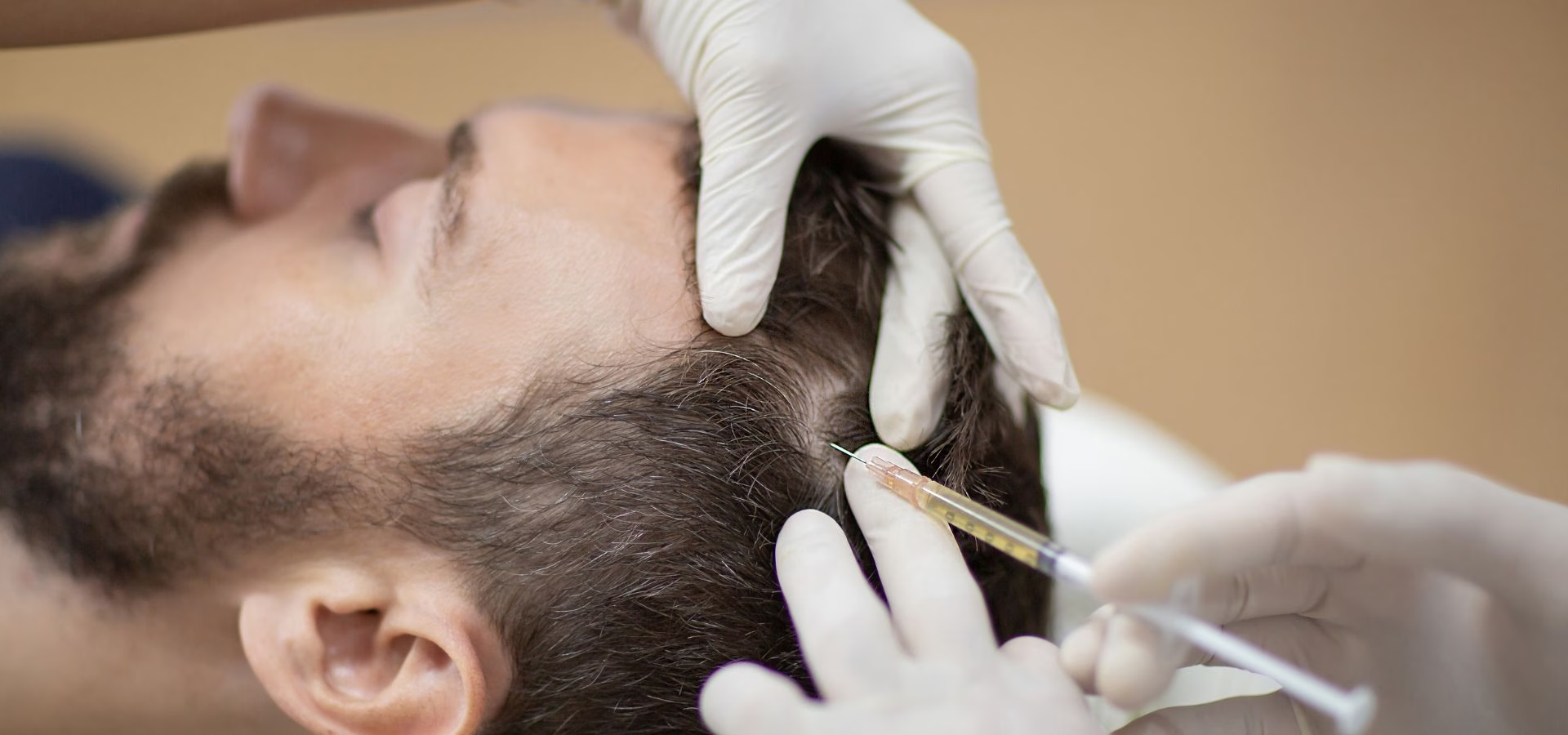
The most common PRP hair treatment side effects include:
- Scalp tenderness or soreness.
- Temporary redness and swelling.
- Mild bruising or pinpoint bleeding.
- Headache or discomfort during or after injections.
- Temporary sensitivity when touching or washing the scalp.
Infection is a less common but important risk, particularly if sterile procedures are not followed. Scarring and injury to nearby structures are possible complications of improperly performed injections, although they are not typical outcomes of correctly performed PRP.
People with active scalp infections, certain blood disorders, low platelet counts, or medical conditions affecting healing may need to avoid PRP or undergo additional assessment before treatment.
What is the PRP hair treatment success rate?
There is no single PRP hair treatment success rate that applies to every patient. Clinical research suggests that PRP can improve hair density in some people with pattern hair loss, but study methods, treatment protocols, and results vary.
Outcomes depend on:
- The type and severity of hair loss.
- Whether hair follicles are still present in the affected areas.
- The patient’s overall health and platelet function.
- The preparation method and injection technique.
- The number and spacing of sessions.
- Whether other appropriate hair-loss treatments are used.
PRP is less likely to restore hair in areas where follicles have been permanently destroyed. It should not be presented as a guaranteed replacement for established hair-loss treatments or a hair transplant when those options are more appropriate.
Is PRP Skin Treatment Safe for the Face?
PRP skin treatment is generally considered safe when performed by a trained medical professional, but facial injections carry risks that require careful technique and knowledge of facial anatomy.
PRP treatment for the face may be considered for concerns such as uneven skin texture, fine lines, and changes in skin quality. The treatment may support improvements in some patients, although the evidence varies by indication and technique.
What is PRP treatment for the face?
PRP treatment for the face involves preparing platelet-rich plasma from the patient’s blood and introducing it into selected areas of the skin, usually through injections or in combination with a suitable skin procedure.
Possible PRP treatment for face benefits include:
- Supporting improvements in skin texture.
- Potentially softening the appearance of fine lines.
- Supporting skin repair and collagen-related processes.
- Helping improve the appearance of selected acne scars in some treatment protocols.
The extent of improvement varies. PRP does not guarantee scar removal, eliminate wrinkles, or replace treatments specifically designed for deeper skin concerns.
What are the risks of PRP treatment for the face?
Facial PRP may cause temporary redness, swelling, bruising, tenderness, or small injection marks. If microneedling is combined with PRP, the skin may also experience temporary sensitivity and irritation.
Less common complications include infection, prolonged inflammation, and changes in pigmentation. Rarely, complications associated with injection technique or injury to nearby structures may occur.
For people in Lahore, sun protection is particularly important during recovery. Strong sunlight and heat can aggravate irritated skin, so follow your practitioner’s advice about sunscreen, outdoor exposure, and when to resume active skincare products.
Who Should Avoid PRP Treatment or Seek Medical Advice First?
PRP may not be appropriate for everyone. A medical assessment is especially important if you have a condition that affects blood, immunity, healing, or the treatment area.
Your practitioner should review your medical history, medications, and treatment goals before proceeding.
PRP may need to be postponed or avoided in people with:
- Active skin or scalp infections near the treatment area.
- Significantly low platelet counts or certain platelet disorders.
- Some blood cancers or other serious blood conditions.
- Certain clotting disorders or medical conditions affecting healing.
- A history of severe reactions to relevant procedure materials or medications.
Pregnancy, breastfeeding, autoimmune conditions, and the use of anticoagulants or antiplatelet medicines may also require an individual assessment. These circumstances do not all represent an automatic contraindication, but they should be discussed with a qualified healthcare professional.
Important: Do not stop prescribed blood thinners or other medication before PRP without instructions from the clinician who manages your care.
How Can You Reduce the Risks of PRP for Skin and Hair?
You can reduce avoidable risks by choosing a qualified medical professional, following proper infection-control procedures, and taking care of the treated area during recovery.
Before booking PRP treatment in Lahore, ask the clinic about the practitioner’s qualifications, the preparation equipment, sterile supplies, and the aftercare plan.
Use this checklist to prepare for your appointment.
- Share your medical history, allergies, and current medications.
- Ask whether PRP is suitable for your specific skin or hair concern.
- Confirm that blood collection and plasma preparation follow appropriate hygiene standards.
- Ask how many sessions may be recommended and why.
- Follow instructions about cleansing, exercise, sun exposure, and skincare.
- Know whom to contact if you experience an unexpected reaction.
After treatment, avoid touching or rubbing the treated area unnecessarily. Follow your practitioner’s guidance on makeup, active skincare ingredients, hair washing, exercise, and exposure to heat.
There is no single aftercare schedule for every PRP procedure. Advice may differ depending on whether PRP is injected into the scalp, injected into the face, or used alongside microneedling.
Seek urgent medical attention for difficulty breathing, facial or throat swelling, rapidly increasing pain or swelling, vision changes after facial injections, or other severe or rapidly worsening symptoms.
How Much Does PRP Treatment Cost in Lahore?
PRP treatment cost in Lahore varies according to the treatment area, the number of sessions, the preparation method, and the clinic’s clinical standards.
The PRP hair treatment price in Pakistan may differ from the price of PRP for the face because the treatment protocols and areas involved are different. A single session may also cost less than a package of multiple sessions, but the total treatment cost depends on the plan recommended for you.
Before comparing prices, consider these factors:
- Treatment area: PRP for hair loss and PRP treatment for the face may have different pricing.
- Number of sessions: Some treatment plans involve several sessions followed by maintenance.
- Preparation and equipment: Proper blood processing and sterile supplies are important considerations.
- Practitioner’s expertise: Training and experience matter when assessing treatment safety.
- Follow-up care: Ask whether reviews and aftercare guidance are included.
The PRP treatment for face price and PRP hair treatment cost should be confirmed directly with the clinic. Aesta Aesthetics can assess your concern and discuss suitable options before you commit to a treatment plan.
Choosing the best PRP hair treatment in Lahore should involve more than comparing prices. Appropriate patient selection, safe preparation, realistic expectations, and professional care are equally important.
Frequently Asked Questions About PRP Safety
1. Can PRP treatment cause permanent damage?
Permanent complications are uncommon, but they are possible. Infection, tissue injury, scarring, or other complications can occur, particularly when injections are performed incorrectly or hygiene standards are inadequate. Choosing a qualified medical professional helps reduce avoidable risks.
2. How long do PRP side effects last?
Mild redness, swelling, and tenderness often improve within a few hours to several days. Bruising may take one to two weeks to fade. Persistent or worsening symptoms should be assessed by a healthcare professional.
3. Is PRP safe for sensitive skin?
Sensitive skin does not automatically rule out PRP treatment. However, people with active irritation, dermatitis, or an infection may need to delay the procedure. A practitioner should assess the skin before treatment.
4. Can PRP make hair loss worse?
PRP is not generally expected to worsen hair loss, but temporary scalp irritation or shedding may occur for different reasons. Progressive hair loss may also continue if the underlying condition is not controlled. Seek an assessment if shedding becomes pronounced or persistent.
5. How many PRP sessions are needed?
The number of sessions depends on the treatment goal, the condition being treated, and the individual’s response. Hair treatment protocols often begin with several sessions spaced weeks apart, while facial protocols vary. Your practitioner should recommend a schedule based on your needs rather than promising a fixed outcome.
6. Is PRP safer than other skin or hair treatments?
There is no single answer because different treatments have different risks and benefits. PRP uses a component of your own blood, but it still involves blood collection and sometimes injections or microneedling. The safest suitable option depends on your medical history, diagnosis, and treatment goals.
Reviewed By and Medical Disclaimer
Reviewed by Dr. Nasba Safdar, Aesta Aesthetics.
Results vary by individual, and this article is for general educational purposes only. It is not a substitute for a medical consultation, diagnosis, or personalised treatment advice.
Book a PRP Consultation at Aesta Aesthetics
Considering PRP for skin and hair in Lahore? Book a consultation with Aesta Aesthetics to discuss your concerns, review potential risks, and understand whether PRP is suitable for you.
Visit Aesta Aesthetics to get started.