
PRP and minoxidil can both help manage certain types of hair loss, but they work differently. Minoxidil is a medication used regularly to support hair growth, while PRP uses concentrated platelets from your own blood to support hair follicle activity. The better option depends on your hair loss pattern, medical history, and treatment goals. Some patients may benefit from a combination.
Hair thinning can be frustrating, especially when the scalp becomes more visible or the hairline starts to change. Finding the right treatment begins with understanding why the hair is falling out and which options are suitable for that cause.
Two options often discussed are platelet-rich plasma (PRP) and minoxidil. Both are used in hair restoration, but neither works equally well for every person.
At Aesta Aesthetics in Lahore, understanding the difference between these approaches can help patients make informed decisions about hair care. This guide compares how each treatment works, its potential benefits, side effects, costs, and the situations in which a professional assessment is important.
What Is the Difference Between PRP and Minoxidil for Hair Loss?
PRP is a procedure that uses a concentrated portion of your own blood, while minoxidil is a medication applied to the scalp or, in some cases, prescribed orally under medical supervision.
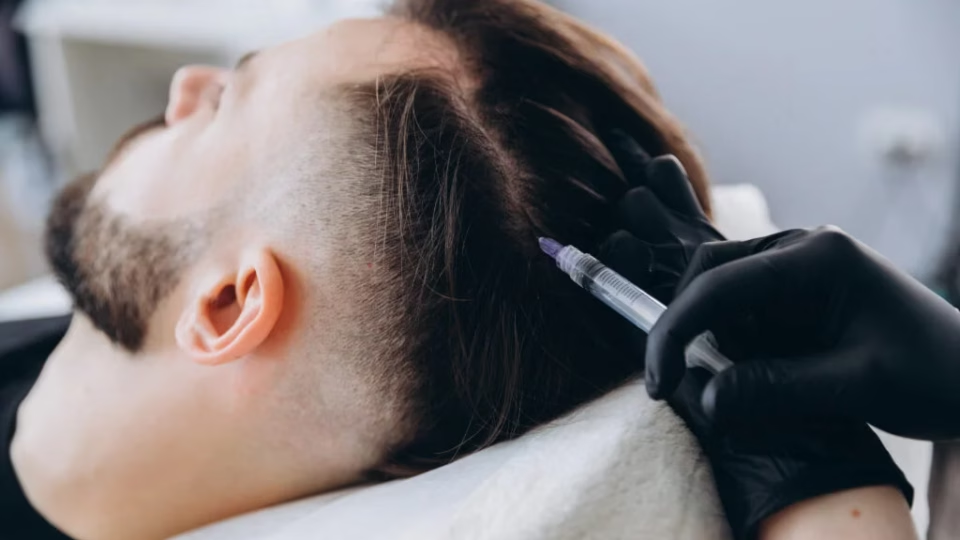
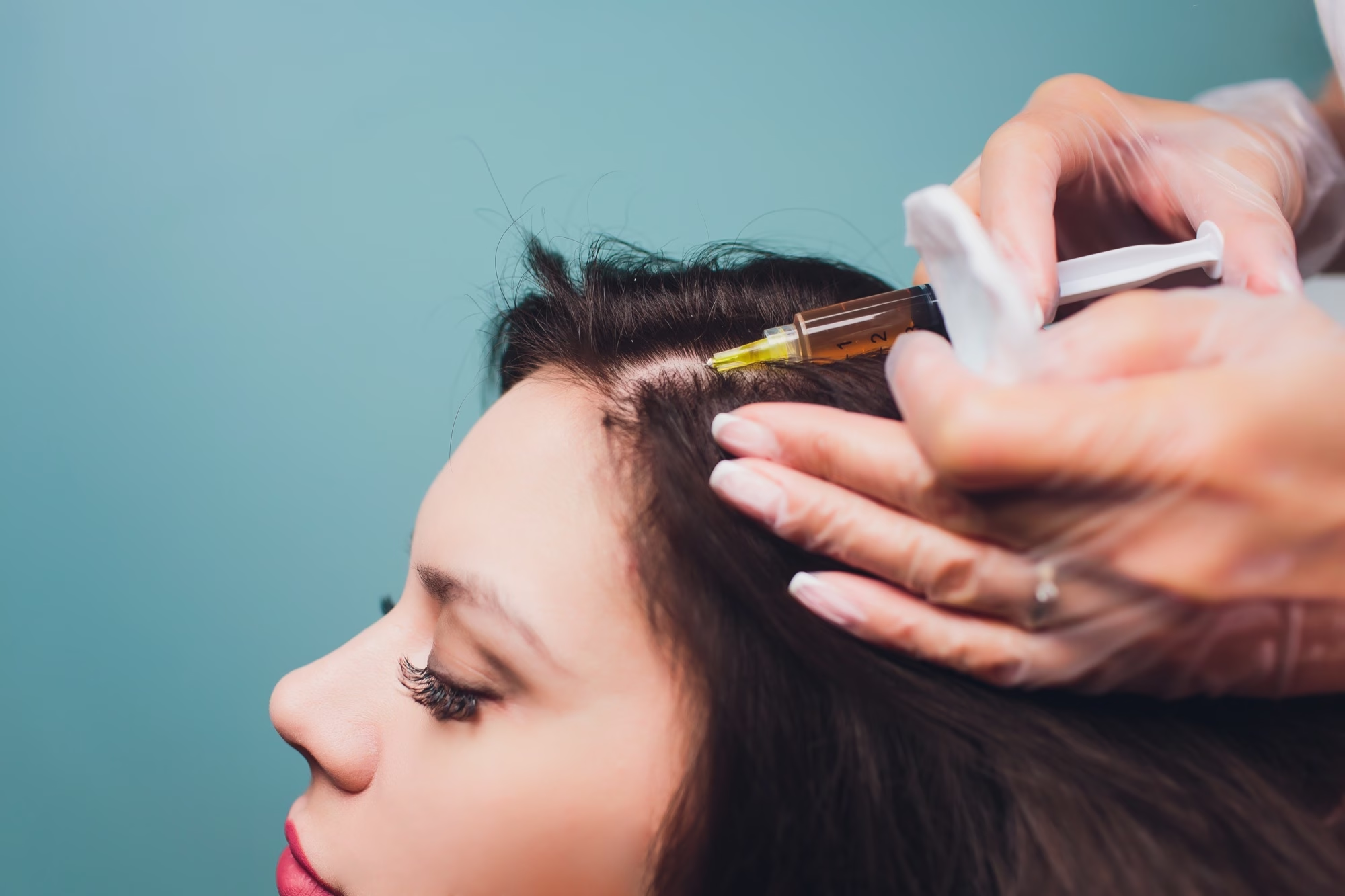
PRP stands for platelet-rich plasma. Platelets contain growth factors involved in tissue repair and cellular signalling. During PRP hair treatment, a clinician collects a small blood sample, processes it to concentrate the platelets, and injects the prepared plasma into selected areas of the scalp.
Minoxidil works differently. Topical minoxidil can prolong the hair growth phase and support the activity of hair follicles in certain types of hair loss. It is commonly used for androgenetic alopecia, also known as pattern hair loss.
The main distinction is that PRP is a clinic-based procedure, whereas topical minoxidil is a home treatment that requires consistent use.
Patients considering PRP for skin and hair should also understand that PRP protocols for scalp hair growth differ from those used for facial skin rejuvenation. A treatment plan should be selected according to the area being treated and the intended outcome.
How Does PRP Hair Treatment Work?
PRP hair treatment aims to support weakened hair follicles by delivering concentrated platelets and their associated growth factors to the scalp.
A typical appointment involves three main steps:
- Blood collection: A clinician draws a small amount of blood from the arm.
- Centrifugation: The blood is processed in a centrifuge to separate its components and prepare the platelet-rich plasma.
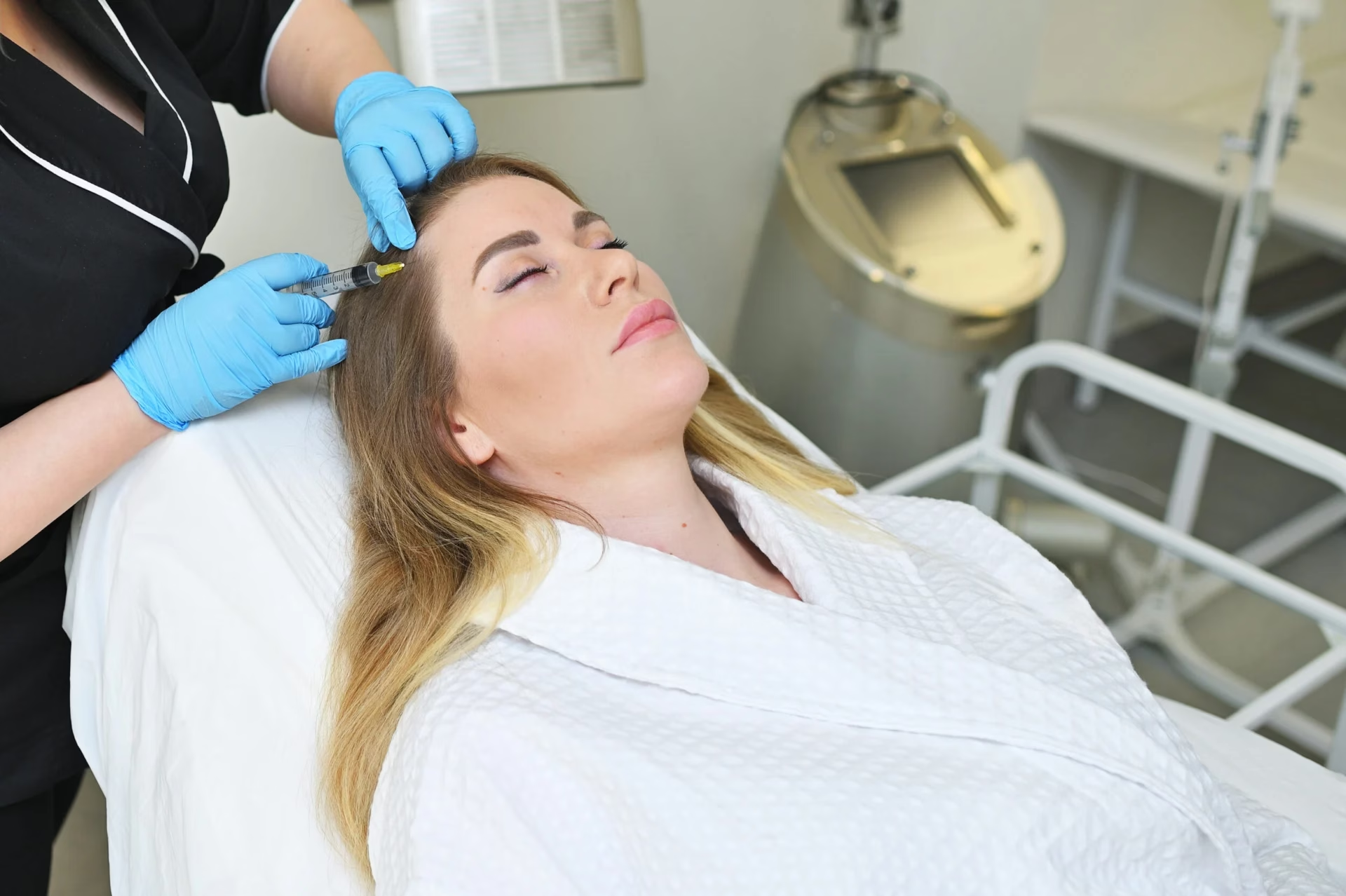
- Scalp application: The prepared PRP is injected into selected areas of the scalp using an appropriate clinical technique.
The appointment commonly takes around 30–60 minutes, although preparation and treatment time vary by clinic and protocol.
PRP may help improve hair density and thickness in some patients with pattern hair loss. However, the quality of evidence varies, and outcomes depend on factors such as the underlying diagnosis, the degree of follicle miniaturisation, and the treatment protocol.
PRP is not a guaranteed solution for bald areas where hair follicles are no longer capable of producing hair. It is also not a substitute for investigating sudden or unexplained hair loss.
For patients exploring PRP treatment in Lahore, an assessment should establish whether the treatment is appropriate before a course is recommended.
How Does Minoxidil Help Hair Grow?
Minoxidil helps support hair growth by influencing the hair growth cycle and prolonging the anagen, or active growth, phase.
Topical minoxidil is available in different strengths and formulations. The appropriate product and application schedule depend on the patient’s age, sex, diagnosis, and the product’s approved instructions.
Patients generally need to apply topical minoxidil consistently for several months before judging the response. Some people notice temporary increased shedding when starting treatment. This can occur as follicles transition through the hair growth cycle, although persistent or severe shedding should be assessed by a clinician.
Minoxidil does not correct every cause of hair loss. For example, hair loss caused by iron deficiency, thyroid problems, certain medications, or scalp conditions may require different treatment.
An important consideration is maintenance. If minoxidil is effective, continued use is usually necessary to maintain the improvement. Hair gained during treatment may gradually be lost after stopping.
Oral minoxidil is sometimes prescribed off-label for hair loss, but it can affect blood pressure and heart rate and may cause fluid retention. It should only be considered under appropriate medical supervision, not started independently.
PRP vs Minoxidil: Which Works Better for Hair Loss?
Neither treatment is universally better. Minoxidil has an established role in managing pattern hair loss, while PRP may be considered as an additional or alternative option for selected patients.
The choice depends on the type of hair loss, how long it has been present, the condition of the follicles, treatment preferences, and the patient’s ability to follow a long-term plan.
| Feature | PRP Hair Treatment | Topical Minoxidil |
|---|---|---|
| Treatment type | Clinic-based procedure | Medication applied at home |
| How it works | Uses concentrated platelets and growth factors | Supports the hair growth cycle |
| Typical schedule | Often an initial series of sessions, followed by reassessment and possible maintenance | Regular application according to product instructions |
| Time to assess results | Commonly around 3–6 months, sometimes longer | Commonly around 3–6 months, sometimes longer |
| Evidence | Promising findings, but protocols and study results vary | Established evidence for certain types of pattern hair loss |
| Main drawbacks | Injection discomfort, temporary swelling or bruising, and clinic costs | Scalp irritation, unwanted facial hair with topical use, and the need for ongoing application |
| Long-term maintenance | May require repeat sessions depending on response | Continued use is generally needed to maintain benefits |
| Best suited to | Selected patients after clinical assessment | Eligible patients with suitable types of hair loss |
These timeframes are general guides, not guarantees. Neither treatment produces immediate results, and changes in hair density can take several months to become noticeable.
For some patients, a clinician may recommend PRP alongside minoxidil. Combination treatment can be appropriate in selected cases, but it should be based on a diagnosis and an individual treatment plan rather than an assumption that more treatment always means better results.
What Is the PRP Hair Treatment Success Rate?
There is no single reliable success rate that applies to every patient receiving PRP for hair loss.
Clinical research has reported improvements in hair density in some patients, particularly those with androgenetic alopecia. However, studies differ in platelet concentration, injection methods, session schedules, follow-up periods, and the way improvement is measured. This makes one universal percentage misleading.
The likelihood of benefit may depend on:
- The cause of hair loss: PRP is not equally suitable for all hair disorders.
- The stage of thinning: Follicles that are still active may respond differently from areas with longstanding, advanced hair loss.
- Overall health: Nutritional deficiencies, hormonal factors, and certain medical conditions can affect hair growth.
- Treatment consistency: Attending recommended sessions and follow-up appointments helps the clinician assess progress.
- Individual response: Some patients notice a visible improvement, while others experience little change.
Photographs taken under consistent lighting and from the same angles can help track changes more objectively.
Aesta Aesthetics can assess the scalp and discuss whether PRP is a reasonable option. A consultation should include realistic expectations, alternative treatments, and a plan for reviewing the response rather than a promise of a particular success rate.
What Are the Side Effects of PRP Hair Treatment and Minoxidil?
Both treatments can cause side effects, although their nature and frequency differ.
PRP Hair Treatment Side Effects
Because PRP involves injections, temporary effects can include:
- Tenderness or discomfort at the injection sites
- Redness and swelling
- Bruising or minor bleeding
- Headache or scalp sensitivity
- A small risk of infection when appropriate clinical precautions are not followed
People with certain blood disorders, platelet abnormalities, active infections, or other relevant medical conditions may not be suitable candidates. Medicines that affect bleeding or platelet function should be discussed with the treating clinician. Do not stop prescribed medication without medical advice.
Minoxidil Side Effects
Topical minoxidil can cause:
- Scalp itching, dryness, redness, or irritation
- Temporary increased shedding after starting
- Unwanted facial hair if the product spreads beyond the intended area
- Rarely, more significant reactions that require medical attention
Stop using the product and seek medical advice if you develop a severe reaction. Chest pain, fainting, a rapid heartbeat, or sudden swelling warrant prompt medical assessment, particularly if you are using an oral formulation.
For both treatments, seek an assessment if hair loss is sudden, patchy, associated with scalp pain or inflammation, or accompanied by other unexplained symptoms. The underlying cause should be identified before treatment begins.
How Much Does PRP Hair Treatment Cost in Pakistan?
The PRP hair treatment cost in Pakistan varies by clinic, city, preparation system, clinician expertise, and the number of sessions required.
There is no single nationwide price that accurately represents every clinic. The total cost also depends on whether the quoted fee covers one session, an initial treatment package, or maintenance appointments.
Before booking, ask the clinic:
- What is the price per PRP session?
- How many sessions may be recommended after assessment?
- Is the consultation included in the price?
- What preparation system and clinical safety procedures are used?
- Are follow-up visits or maintenance sessions charged separately?
Patients searching for the PRP hair treatment price in Pakistan should compare the complete treatment plan rather than selecting a clinic based on the lowest advertised price.
Minoxidil usually has a lower initial cost because it does not require a clinic appointment for each application. However, ongoing purchases can add up over time. PRP typically involves a higher upfront expense and may also require maintenance.
For current PRP treatment pricing at Aesta Aesthetics, contact the clinic directly. An individual assessment can help establish which treatment is suitable and what costs may be involved.
Can PRP and Minoxidil Be Used Together?
Yes, PRP and minoxidil may be used together in selected patients when a clinician determines that the combination is appropriate.
The treatments work through different mechanisms, so combining them may offer benefits for some people with pattern hair loss. However, the evidence does not establish that every patient will achieve better results with both treatments than with one alone.
The timing of minoxidil use around a PRP appointment should follow the treating clinician’s instructions. The scalp may be sensitive immediately after injections, so patients should not assume that applying topical products straight away is appropriate.
A personalised plan may involve PRP, minoxidil, another evidence-based treatment, or investigation of an underlying medical cause. The right choice depends on the diagnosis and the patient’s needs.
Is PRP for Skin and Hair the Same Treatment?
PRP for skin and PRP for hair use platelet-rich plasma, but the treatment technique, target area, and expected outcomes differ.
For hair, PRP is generally delivered into selected areas of the scalp to support hair follicle activity. For facial skin, PRP may be used as part of a skin-rejuvenation approach intended to improve the appearance of skin texture and quality.
The term PRP treatment for face can refer to different techniques and protocols. The suitability of PRP for facial rejuvenation depends on the patient’s skin concerns, medical history, and clinical assessment.
PRP treatment for face benefits may include potential improvements in skin texture and overall appearance in selected patients, but the strength of evidence varies by indication and technique. It should not be presented as a guaranteed solution for wrinkles, acne scars, or pigmentation.
The PRP treatment for face price also differs from scalp treatment pricing because the area, technique, and number of sessions may vary. Patients should request a quote for the specific procedure they are considering.
At Aesta Aesthetics, the appropriate PRP approach should be discussed according to whether the primary concern is hair thinning, skin texture, or another aesthetic goal.
Frequently Asked Questions
How Many PRP Sessions Are Needed for Hair Loss?
Many protocols begin with approximately three sessions spaced several weeks apart, but the recommended schedule varies. Some patients may need a different number of sessions or maintenance treatment depending on their diagnosis and response.
Does PRP Hair Treatment Hurt?
PRP involves injections, so some discomfort, pressure, or temporary tenderness is possible. The experience varies by person and technique. Ask the clinician what measures are available to improve comfort during the procedure.
Can PRP Regrow Hair on a Completely Bald Scalp?
PRP is unlikely to restore hair in areas where follicles have been permanently lost or are no longer functional. A clinician can assess whether the thinning area contains follicles that may still respond to treatment.
Will Hair Fall Out Again After PRP Treatment?
Hair loss may continue if the underlying condition remains active. Some patients require maintenance sessions or additional treatment. PRP should not be considered a permanent cure for pattern hair loss.
Is PRP Better Than Minoxidil for Women?
Neither option is automatically better for every woman. The cause of hair loss, pregnancy or breastfeeding status, medical history, and treatment preferences influence the decision. A clinician should assess the cause and discuss appropriate options before treatment.
Who Should Avoid PRP Hair Treatment?
People with certain blood or platelet disorders, active infections, or other conditions affecting treatment safety may need to avoid PRP or undergo further assessment. Suitability should be determined by a qualified clinician after reviewing the patient’s history and current medications.
Reviewed by Dr. Nasba Safdar, Aesta Aesthetics
Disclaimer: Results vary by individual. This article provides general information and is not a substitute for a professional medical consultation.
Book a PRP Consultation at Aesta Aesthetics in Lahore
If you are comparing PRP with minoxidil, start by identifying the cause of your hair loss. A consultation at Aesta Aesthetics can help you understand your options, likely treatment schedule, potential side effects, and expected costs.
Contact Aesta Aesthetics to arrange a consultation and discuss whether PRP hair treatment is suitable for you.