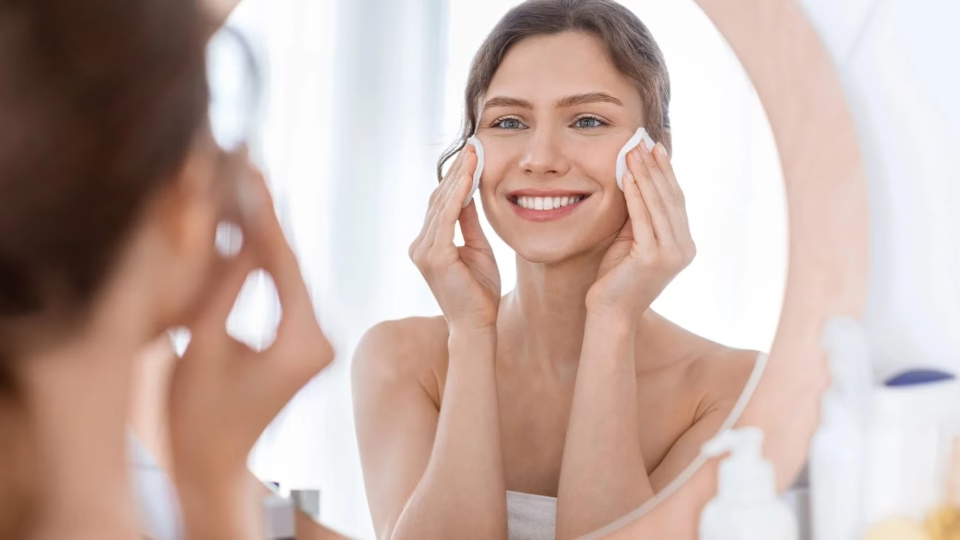
Before an aesthetic treatment, keep your skincare routine gentle and avoid irritating products such as strong exfoliants and retinoids unless your practitioner advises otherwise. After treatment, focus on gentle cleansing, moisturising, sun protection, and the specific aftercare provided for your procedure. Your exact routine should depend on the treatment and your skin.
Choosing the right skincare routine around an aesthetic treatment can make the recovery period easier and help protect the skin barrier. The routine you use before a chemical peel may not be appropriate before laser treatment, microneedling, injectables, or other procedures.
If you are looking for an Aesthetic Clinic Lahore patients can visit for personalised skin guidance, Aesta Aesthetics can assess your skin and treatment goals before recommending a suitable approach. You can learn more through the Aesta Aesthetics website.
The most important rule is simple: do not introduce aggressive skincare immediately before or after a procedure unless your practitioner specifically recommends it.
What skincare should you use before an aesthetic treatment?
Before an aesthetic treatment, your routine should usually be simple, gentle, and consistent.
A basic routine may include:
- Gentle cleanser: Use a mild cleanser that does not leave the skin feeling tight or stripped.
- Moisturiser: Apply a simple moisturiser suited to your skin type.
- Sunscreen: Use broad-spectrum SPF 30 or higher during the day.
- Treatment-specific products: Follow any instructions provided by your practitioner.
The exact preparation depends on the procedure. Some treatments require certain products to be stopped temporarily, while others may not require significant changes.
Do not assume that a product is safe simply because you have used it for months. Retinoids, exfoliating acids, benzoyl peroxide, scrubs, and other active ingredients can sometimes increase irritation around certain procedures.
A practitioner at an Aesthetic Clinic Lahore can tell you which products to continue and which ones to pause based on the treatment being performed.
Should you stop retinol before an aesthetic treatment?
You may need to temporarily stop retinol or prescription retinoids before some treatments, but the timing should come from your practitioner.
Retinoids can increase skin sensitivity and may affect how the skin responds to certain procedures. Whether you need to stop them, and for how long, depends on the retinoid, treatment, skin condition, and clinical protocol.
The same principle applies to other active products. Do not create a long list of products to stop without professional guidance.
If your treatment provider gives you a specific preparation schedule, follow that schedule rather than relying on a generic skincare routine.
What should you avoid before an aesthetic treatment?
Before many aesthetic procedures, avoiding unnecessary irritation is more important than adding extra skincare.
Depending on the treatment, your practitioner may advise you to avoid or pause:
- Strong exfoliating acids such as glycolic or salicylic acid
- Retinol or prescription retinoids
- Physical scrubs
- At-home peeling products
- Waxing or other hair-removal methods near the treatment area
- New skincare products
- Products that have previously caused irritation
- Excessive sun exposure
The appropriate timeframe can vary considerably. A product might need to be stopped several days before one procedure but handled differently for another.
This is why a consultation at a skin care clinic Lahore patients trust should focus on your actual treatment rather than applying the same preparation instructions to everyone.
What skincare should you use after an aesthetic treatment?
After an aesthetic treatment, return to a gentle skincare routine unless your practitioner gives different instructions.
A simple post-treatment routine often focuses on four areas:
| Skincare step | What to focus on | Typical approach |
|---|---|---|
| Cleansing | Gentle cleansing | Avoid harsh rubbing |
| Moisturising | Skin barrier support | Use a suitable bland moisturiser |
| Sun protection | Broad-spectrum SPF | SPF 30 or higher |
| Active ingredients | Minimise irritation | Restart only when advised |
Your skin may temporarily feel dry, sensitive, tight, warm, or slightly irritated after some treatments. The expected recovery depends on the procedure.
Do not scrub peeling skin or try to speed up the shedding process. Let the skin recover naturally.
How soon can you restart active skincare after treatment?
The answer depends on the treatment and how your skin is recovering.
Retinoids, exfoliating acids, vitamin C formulas, benzoyl peroxide, and other active products should generally be restarted according to your practitioner’s instructions rather than according to a fixed number of days.
For some mild procedures, the pause may be relatively short. Treatments that deliberately create more controlled skin injury can require a longer recovery period.
A useful rule is to wait until your practitioner considers the skin barrier sufficiently recovered before returning to stronger active ingredients.
If you experience increasing redness, significant swelling, blistering, worsening pain, or other unexpected symptoms, contact your treatment provider rather than adding new skincare products.
Why is sunscreen important after an aesthetic treatment?
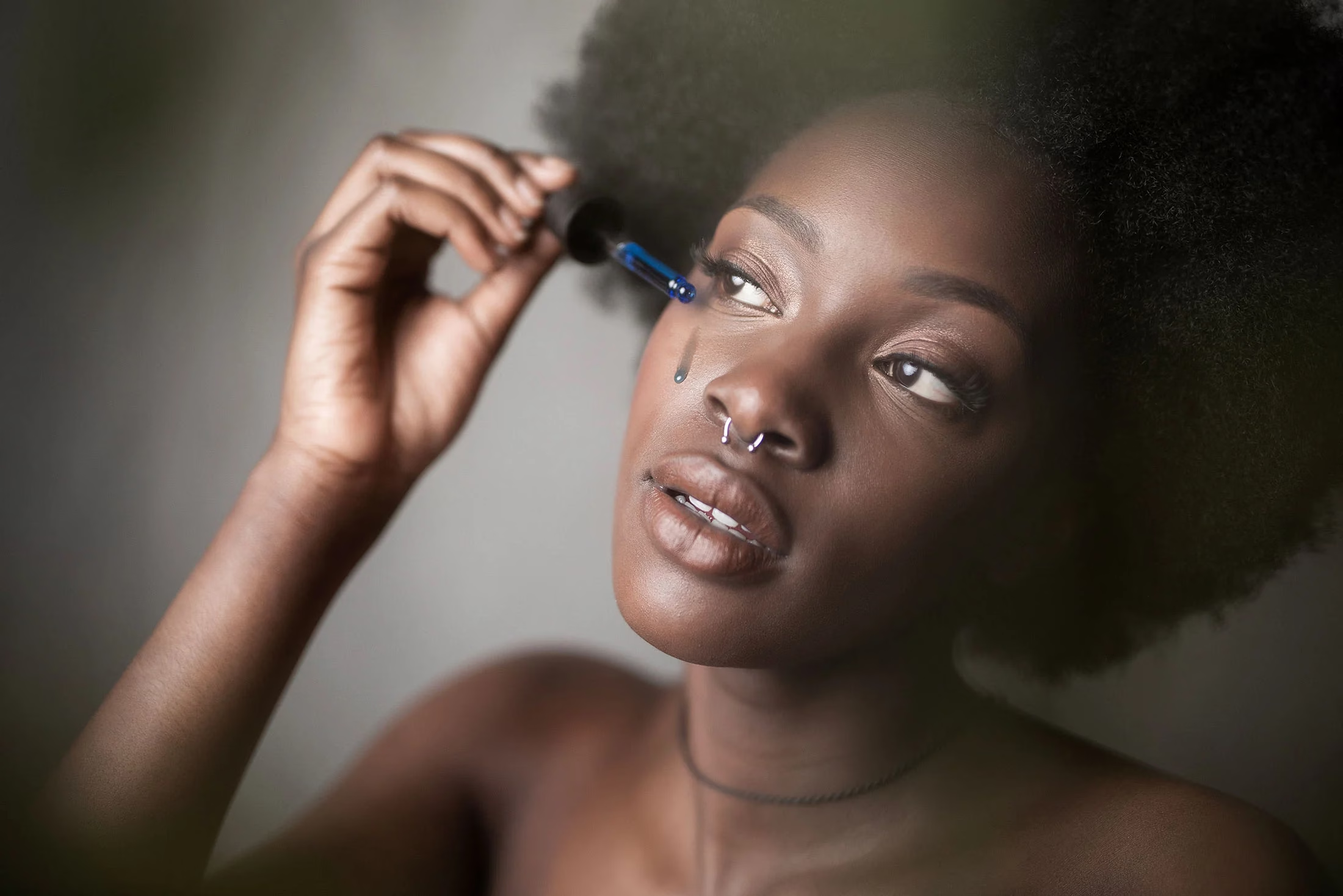
Sunscreen is particularly important after many aesthetic treatments because recently treated skin can be more sensitive to environmental exposure.
Use a broad-spectrum sunscreen with SPF 30 or higher, unless your practitioner recommends another product or protocol. Reapply according to the product instructions and your level of outdoor exposure.
This matters in Lahore, where strong sunlight and outdoor exposure can be part of everyday life. Heat, dust, and frequent time outdoors can also make a simple, comfortable skincare routine easier to maintain than a complicated one.
Physical sun protection can help too. A hat, shade, and avoiding prolonged direct sun during peak hours can complement sunscreen.
Can I wear makeup after an aesthetic treatment?
Makeup may need to be avoided temporarily after certain treatments, particularly when the skin surface has been significantly treated.
The timing depends on the procedure and the condition of your skin afterward. Applying makeup too early can cause irritation and may interfere with the healing process.
Ask your practitioner when you can safely return to your usual makeup routine.
This is especially relevant before weddings, parties, photography sessions, and other events. If you have an important occasion coming up, mention the date during your consultation so the practitioner can explain the expected recovery period.
How should skincare differ after different aesthetic treatments?
Skincare after an aesthetic treatment should be tailored to the procedure rather than treated as a one-size-fits-all routine.
For example:
After a chemical peel: Your practitioner may recommend gentle cleansing, moisturising, sun protection, and avoiding active ingredients while the skin recovers.
After microneedling: The skin may be temporarily sensitive. A simple routine and strict sun protection are commonly emphasised during recovery.
After laser treatment: Aftercare varies significantly depending on the type of laser and the treatment settings. Follow the specific instructions provided by your practitioner.
After injectables: Skincare may be less about repairing the skin surface and more about following procedure-specific instructions, avoiding unnecessary pressure on treated areas, and monitoring the area as it settles.
After facials or superficial treatments: Recovery can be shorter, but your skin may still benefit from avoiding harsh products immediately afterward.
The right skin aesthetics plan therefore starts with identifying the treatment, your skin type, and your current skincare products.
What should a simple skincare routine look like after treatment?
A simple routine is often easier to follow during recovery.
Morning
1. Gentle cleanser
Cleanse without vigorous rubbing.
2. Moisturiser
Use a product that supports comfortable, hydrated skin.
3. Sunscreen
Apply broad-spectrum SPF 30 or higher.
Evening
1. Gentle cleanser
Remove sunscreen and daily buildup carefully.
2. Moisturiser
Apply a suitable moisturiser.
3. Prescribed or approved products
Only use additional products if your practitioner has told you to do so.
This approach is intentionally simple. You do not need a 10-step routine immediately after an aesthetic procedure.
When should you contact your aesthetic practitioner after treatment?
Contact your practitioner if you develop symptoms that are unexpected, severe, worsening, or different from the aftercare instructions you were given.
Depending on the treatment, concerning symptoms can include:
- Increasing rather than improving redness
- Significant or worsening swelling
- Severe or increasing pain
- Blistering
- Signs of infection
- Unexpected skin colour changes
- Persistent symptoms outside the expected recovery period
Do not attempt to manage an unusual reaction by adding multiple skincare products. Your practitioner can determine whether the reaction is part of normal recovery or requires further assessment.
A qualified Dermatology clinic Lahore patients choose for skin concerns should also be able to distinguish routine post-treatment sensitivity from symptoms requiring medical attention.
How can you prepare your skin for an aesthetic treatment?
Good preparation starts several days or weeks before the appointment, depending on the treatment.
A practical checklist is:
- Tell your practitioner about your current skincare products.
- Mention prescription skincare or medications when relevant.
- Tell them about previous reactions to skincare or procedures.
- Avoid introducing new strong actives immediately before treatment.
- Follow the clinic’s preparation instructions.
- Protect your skin from excessive sun exposure.
- Arrive with clean skin if your clinic requests it.
- Tell the practitioner about an upcoming wedding, event, or travel plan.
If you are searching for an aesthetic clinic near me, do not choose based only on distance. Look for a clinic where the consultation includes an assessment of your skin and clear pre- and post-treatment instructions.
Is a complicated skincare routine better for skin aesthetics?
No. A longer routine is not automatically a better routine.
Effective skincare depends on using appropriate products consistently and introducing active ingredients at the right time. After an aesthetic procedure, adding too many products can make it harder to identify what is causing irritation.
For patients exploring beauty and aesthetics, the goal should be healthy-looking skin and an appropriate treatment plan rather than using the maximum number of products.
Aesta Aesthetics can help patients understand which skincare steps are appropriate around their chosen aesthetic treatment.
What should you ask an aesthetic clinic before treatment?

Before booking a procedure, ask clear questions about both the treatment and the recovery period.
Useful questions include:
- What should I stop using before treatment?
- How many days before treatment should I change my routine?
- When can I restart retinol or exfoliating acids?
- When can I wear makeup again?
- How long should I use extra sun protection?
- What symptoms are expected during recovery?
- Which symptoms should make me contact the clinic?
- What skincare products should I use after the procedure?
Clear answers can help you plan your skincare and your schedule realistically.
Frequently Asked Questions
Can I use moisturiser before an aesthetic treatment?
Usually, a gentle moisturiser can be part of a normal skincare routine, but your clinic may give different instructions depending on the procedure. Follow the preparation instructions provided for your specific treatment.
Can I use vitamin C after an aesthetic treatment?
Vitamin C may need to be paused temporarily after some procedures because freshly treated skin can be sensitive. Ask your practitioner when it is appropriate to restart your particular formula.
How long should I avoid exfoliating after treatment?
There is no universal number of days. The appropriate timeframe depends on the procedure and your skin’s recovery. Follow your practitioner’s instructions before restarting acids, scrubs, or other exfoliating products.
Is SPF 50 better after an aesthetic treatment?
SPF 30 or higher provides broad-spectrum protection when used correctly. Some practitioners may recommend SPF 50, particularly when there is substantial sun exposure. Follow the product and clinical advice provided for your skin.
Can I have an aesthetic treatment before a wedding?
You can discuss treatment timing with your practitioner, but the answer depends on the procedure, your skin, and the amount of recovery time available. Avoid scheduling an unfamiliar procedure immediately before an important event without discussing the expected recovery period.
Can skincare replace professional aesthetic treatments?
Skincare and professional aesthetic treatments serve different purposes. A consistent skincare routine can support general skin health, while professional treatments may address specific concerns that require clinical assessment.
Reviewed by dr. Nasba safdar, Aesta Aesthetics
Results vary by individual factors, and this information is not a substitute for an in-person consultation with a qualified practitioner.
Ready to Plan Your Treatment?
If you are considering an aesthetic treatment in Lahore, book a consultation with Aesta Aesthetics to discuss your skin, current skincare routine, treatment goals, and appropriate pre- and post-treatment care.
https://aestaaesthetics.com/