
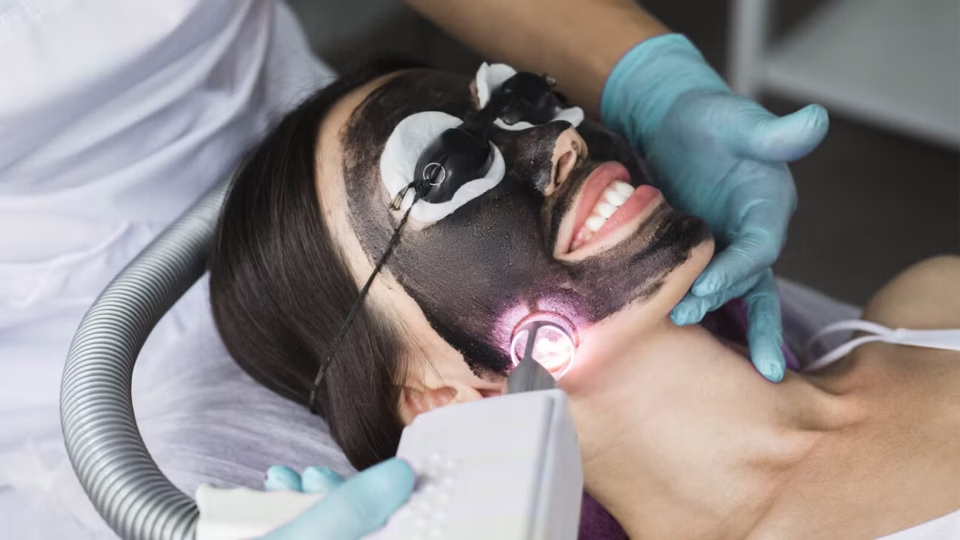
A carbon facial may suit people with oily skin, enlarged pores, mild congestion, dullness, or an uneven-looking skin texture. It can help the skin look cleaner, smoother, and brighter. However, people with active skin infections, irritated skin, or certain medical conditions may need to postpone or avoid treatment. A professional skin assessment helps determine suitability.
Introduction
If your skin looks dull, feels oily, or has visible pores, you may be considering a carbon facial. This laser-based treatment is often chosen by people who want a fresher-looking complexion without the extended recovery associated with some resurfacing procedures.
Choosing the right facial depends on your skin concerns, skin type, and treatment goals. A carbon laser facial can improve the appearance of congestion and uneven texture, but it is not the right solution for every skin condition.
At Aesta Aesthetics, Lahore, the Carbon Facial treatment is designed for concerns such as excess oil, enlarged pores, dullness, and occasional breakouts. Understanding who can benefit from this treatment helps you make an informed decision before booking.
What Is a Carbon Facial, and How Does It Work?
A carbon facial is a cosmetic laser treatment that uses a layer of liquid carbon and laser energy to help remove surface impurities and improve the appearance of the skin.
It is also known as a carbon laser facial or, in some clinics, a Hollywood Peel. The procedure typically involves three steps:
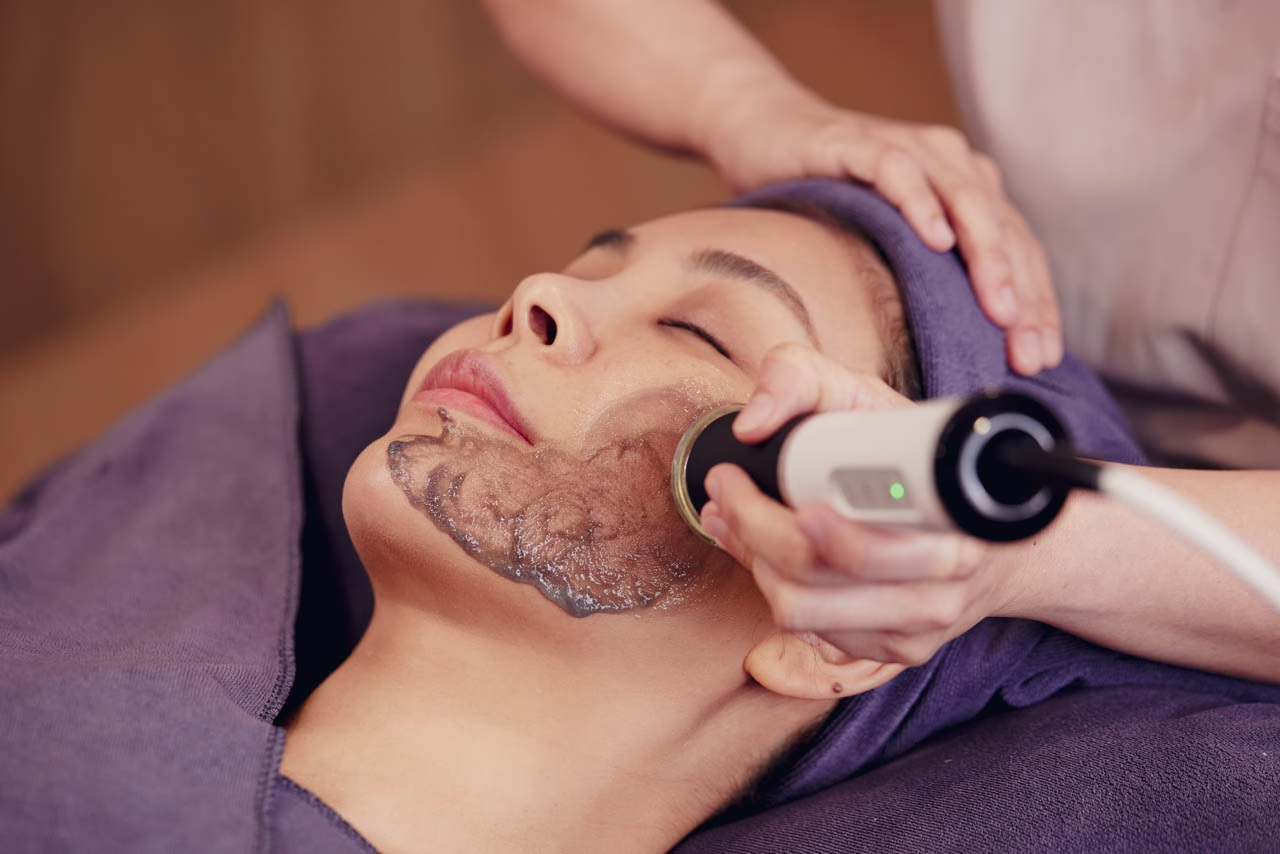
- Carbon application: A thin layer of carbon lotion is applied to the skin. It settles into pores and binds to oil and surface debris.
- Laser treatment: A suitable laser passes over the carbon layer, helping remove it along with some of the material attached to it.
- Skin assessment and aftercare: The practitioner checks the skin and provides guidance on cleansing, moisturising, and sun protection.
A session at Aesta Aesthetics typically takes around 30–40 minutes. The treatment is intended to improve the skin’s appearance, not to permanently change pore size or cure acne. Individual results depend on the person’s skin and the treatment settings used. Aesta Aesthetics
Who Should Get a Carbon Facial in Lahore?
A carbon facial may be worth considering if you have oily skin, visible pores, mild congestion, or a dull complexion and want a treatment that generally requires little recovery time.
The following skin concerns may respond well to an appropriately selected carbon laser facial.
1. People With Oily Skin
Excess oil can leave the face looking shiny, particularly around the nose, forehead, and chin. Oil can also mix with dead skin cells and contribute to clogged pores.
A carbon facial may help remove surface oil and debris, leaving the skin feeling cleaner. It does not permanently stop oil production, so a consistent skincare routine may still be necessary.
2. People With Enlarged or Visible Pores
Pores often appear more noticeable when they contain oil and debris. Genetics, ageing, and changes in skin elasticity can also affect their appearance.
One of the potential carbon facial benefits is a temporary improvement in how clean and refined the skin looks. However, the treatment cannot permanently close pores, and results vary.
3. People With Mild Congestion and Occasional Breakouts
If you experience occasional clogged pores or minor breakouts, a carbon laser facial may be considered as part of a broader skincare plan.
It should not replace appropriate acne treatment when breakouts are persistent, painful, or severe. Active inflammatory acne, broken skin, or an infection may require assessment before any laser procedure.
4. People With Dull or Uneven-Looking Skin
Dead skin cells, accumulated surface debris, and environmental exposure can make the complexion look less radiant.
A carbon facial may help the skin look brighter and feel smoother after treatment. It may be an option before a special event, provided there is enough time to assess how your skin responds.
5. People Who Want Minimal Recovery Time
Many people prefer treatments that fit around work, study, and social commitments. A standard carbon facial is generally considered a low-downtime procedure.
However, mild redness, sensitivity, or irritation can occur. It is sensible to avoid scheduling your first treatment immediately before an important wedding function or event.
What Are the Main Carbon Facial Benefits?
The main carbon facial benefits relate to surface cleansing, oil management, and the appearance of skin texture.
| Potential benefit | What it may mean for your skin |
|---|---|
| Removal of surface oil and debris | Skin may feel cleaner after treatment |
| Improved appearance of pores | Congested pores may look less noticeable |
| Smoother-looking texture | Skin may feel softer and appear more refined |
| Brighter-looking complexion | Dull skin may look fresher |
| Short recovery period | Many people return to routine activities the same day |
| Convenient session length | Treatment typically takes around 30–40 minutes at Aesta Aesthetics |
These benefits are not guaranteed. The response depends on your skin condition, the equipment used, and the practitioner’s assessment. A carbon facial is also not a substitute for daily sunscreen, suitable skincare, or medical acne treatment when needed. Aesta Aesthetics+1
Who Should Avoid a Carbon Facial or Delay Treatment?
A carbon facial is not suitable for everyone. People with active skin infections, significant irritation, or certain medical concerns should seek professional advice before proceeding.
You may need to postpone treatment if you have:
- An active skin infection: Cold sores, bacterial infections, or other infections in the treatment area need assessment.
- Sunburn or irritated skin: Allow the skin to recover before considering a laser procedure.
- Open wounds or broken skin: Treatment may increase irritation or interfere with healing.
- A recent cosmetic procedure: Chemical peels, other laser treatments, or prescription skincare may affect when treatment can safely be performed.
- A condition that affects healing: Some medical conditions or medicines require additional precautions.
People with sensitive skin are not automatically unsuitable, but they may need a more careful assessment. Tell your practitioner about recent treatments, prescription medicines, a history of cold sores, and any previous reactions to laser procedures.
If you have persistent acne, melasma, rosacea, or unexplained pigmentation, ask whether a different treatment would better address the underlying concern. Laser procedures can sometimes worsen irritation or pigmentation, especially when treatment is not appropriately selected. PMC+1
What Are the Possible Carbon Laser Facial Side Effects?
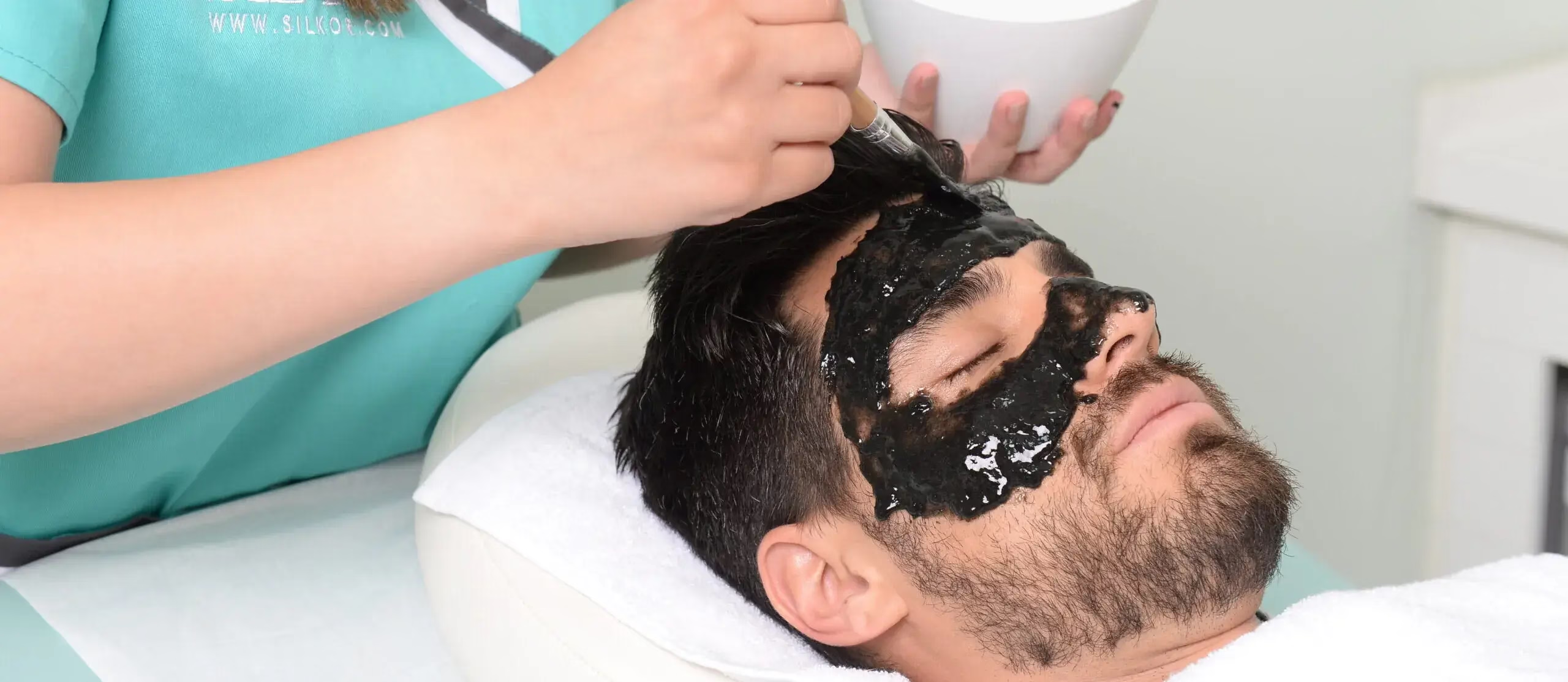
Carbon laser facial side effects are usually mild when the procedure is appropriately selected and performed, but irritation and other complications are possible.
Potential short-term effects include:
- Temporary redness or warmth.
- Mild sensitivity or tightness.
- Dryness or irritation.
- Temporary worsening of breakouts in some people.
- Changes in pigmentation, particularly if the skin becomes inflamed or receives excessive sun exposure.
Less common but more serious complications can include burns, infection, or persistent pigment changes. Risk depends on the device, treatment settings, skin type, and practitioner expertise.
People with medium to deep skin tones should receive particular care when selecting laser settings because inflammation can trigger post-inflammatory hyperpigmentation. This does not mean that darker skin cannot receive laser treatments; it means that appropriate equipment, settings, and patient selection matter. PMC+1
If redness becomes severe, pain increases, blisters develop, or you notice unusual skin changes, contact your treatment provider promptly.
What Should You Do Before and After a Carbon Facial?
Good preparation and aftercare help reduce avoidable irritation and support your skin’s recovery.
Before Your Appointment
- Tell your practitioner about prescription medicines, active skin conditions, and recent cosmetic treatments.
- Avoid treatment over sunburned or irritated skin.
- Ask which skincare products you should pause before the procedure.
- Avoid experimenting with strong exfoliants immediately before your appointment.
- Discuss any upcoming event so you can allow time for unexpected redness.
Carbon Laser Facial Aftercare
For the first 24–48 hours, follow the specific instructions provided by your practitioner. These may include:
- Use a gentle cleanser and a suitable moisturiser.
- Apply broad-spectrum SPF 30 or higher sunscreen and reapply as directed, especially when outdoors.
- Limit direct sun exposure and avoid excessive heat if your skin feels sensitive.
- Avoid scrubs, strong exfoliating acids, and retinoids until your practitioner says they can be resumed.
- Avoid picking, rubbing, or irritating the treated skin.
Lahore’s strong sun and dusty outdoor conditions make sun protection and gentle cleansing particularly important after treatment. If your skin remains irritated, contact your provider before restarting active skincare products.
How Often Should You Get a Carbon Facial?
The recommended frequency depends on your skin concerns, treatment response, and the device used.
Aesta Aesthetics lists a typical session duration of 30–40 minutes and indicates that repeat sessions may be spaced around 2–4 weeks apart. Some people may be suitable for a single session, while others may benefit from a planned course. Aesta Aesthetics
Do not assume that more frequent treatments will produce better results. Your practitioner should review your skin before recommending another session.
Is a Carbon Facial Better Than a Photofacial?
A carbon facial and a photofacial use different technologies, so the better choice depends on your primary skin concern and the specific device being offered.
A carbon laser facial uses a carbon layer with laser energy to target surface oil and debris. A photofacial usually uses intense pulsed light (IPL) or another light-based system to target selected concerns such as visible redness, sun spots, or uneven pigmentation.
| Feature | Carbon facial | Photofacial |
|---|---|---|
| Main approach | Carbon lotion activated by laser energy | Pulsed light or another light-based treatment |
| Common cosmetic goals | Oily skin, visible pores, surface congestion, dullness | Selected pigmentation concerns, sun damage, and visible redness |
| Acne concerns | May help with surface oil and mild congestion | Suitability depends on the device and acne condition |
| Treatment choice | Depends on skin texture, oiliness, and goals | Depends on pigmentation, redness, skin tone, and device |
| Recovery | Usually minimal, but temporary redness can occur | Varies by device, settings, and treatment target |
Photofacial vs Carbon Facial: Which Is Better?
Neither treatment is universally better. A carbon facial may be more relevant when oiliness and visible pores are the main concerns. A photofacial may be considered for selected pigmentation or redness concerns when the patient is suitable for the particular device.
The terms photofacial and carbon laser facial can refer to different technologies across clinics. Ask which device will be used, what concern it is intended to treat, and what risks apply to your skin tone before deciding.
How Much Does a Carbon Laser Facial Cost in Lahore?
The cost of a carbon laser facial in Lahore can vary according to the clinic, device, treatment area, practitioner, and whether the session is part of a package.
Rather than relying on an estimated price, ask the clinic to confirm its current fee and what is included. You should also check whether a consultation is needed and whether multiple sessions are recommended for your specific concern.
At Aesta Aesthetics, you can enquire about the current treatment fee and suitability through the Carbon Facial service page.
What Should You Look for in Carbon Facial Reviews?
Carbon facial reviews can help you understand other patients’ experiences, but they should not be the only basis for choosing a clinic.
When reading carbon laser facial reviews, look for details about:
- The patient’s original skin concern.
- The number of sessions received.
- Whether the review describes temporary redness or other side effects.
- The clinic’s consultation and aftercare process.
- Whether before-and-after photos show comparable lighting, angles, and time intervals.
Carbon facial before-and-after photos can provide useful context, but lighting, makeup, camera settings, and the time between images can change how results appear. A single patient’s experience cannot predict your outcome.
Choose a provider who explains realistic benefits, discusses risks, and recommends treatment based on your skin rather than promising identical results for everyone.
Frequently Asked Questions About Carbon Facial
1. Is a carbon facial suitable for all skin types?
Not automatically. Many people with oily or combination skin may be suitable, but sensitive skin, active irritation, and certain skin conditions require assessment. The practitioner should consider your skin tone, medical history, and treatment goals.
2. How soon can I see carbon facial results?
Some people notice brighter-looking, smoother-feeling skin immediately after treatment. Improvements in oiliness, congestion, and texture may vary and can require repeat sessions. A carbon facial does not guarantee permanent changes.
3. Can a carbon facial remove acne scars?
A carbon facial is not a primary treatment for deep or established acne scars. It may improve the appearance of mild surface congestion and texture, but deeper scars often require a different treatment plan.
4. Can I get a carbon facial before a wedding?
It may be suitable if your skin has been assessed and you have enough time before the event. For a first session, consider leaving at least several days of flexibility in case of redness or irritation. Your practitioner can recommend an appropriate timeline.
5. Is a carbon Spectra facial different from a regular carbon facial?
The name can refer to a carbon peel performed with a particular laser platform, such as a Spectra system. Equipment and treatment protocols vary between clinics. Ask which device is used and whether it is appropriate for your skin concerns.
6. Can I get a carbon facial if I have sensitive skin?
Possibly, but sensitivity needs to be assessed first. If your skin is currently inflamed, irritated, or reacting to skincare products, postpone treatment until a practitioner confirms it is appropriate.
Is a Carbon Facial Right for Your Skin?
A carbon facial can be a useful option if your main concerns are oily skin, visible pores, mild congestion, or a dull complexion. It may not be the best choice for persistent acne, deeper scars, or certain pigmentation conditions.
At Aesta Aesthetics, the goal is to match the treatment to your skin rather than recommend the same procedure to everyone. A consultation can help you understand the likely benefits, possible side effects, and suitable alternatives.
Book a carbon facial consultation at Aesta Aesthetics, Lahore. Visit the Carbon Facial treatment page or contact the clinic through its official contact page to ask about suitability, current pricing, and appointment availability.
Reviewed by Dr. Nasba Safdar, Aesta Aesthetics
Disclaimer: Results vary depending on individual skin conditions and treatment factors. This article provides general information and is not a substitute for a personalised professional consultation.